

close
Choose Your Site
Global
Social Media
Views: 0 Author: Site Editor Publish Time: 2026-10-20 Origin: Site


Picture this. You just spent a premium on plump farmer's market blueberries. Two days later, you open the refrigerator. They are mushy and covered in mold. This is a frustrating reality for many. High moisture levels and trapped ethylene gas destroy delicate soft fruits fast. Fortunately, the right storage vessel prevents this. Keeping these fruits crisp requires strict humidity control and airflow management. We will break down the mechanics of berry spoilage and rank the best kitchen storage methods. Beyond the fridge, we will reveal the ultimate strategy for peak freshness. Cultivating your own harvest right on your patio changes the game completely.
Let us look at current market data. There is a massive shift in how consumers handle fresh produce. People are rapidly moving away from flimsy single-use plastics. Instead, there is a surge in demand for precision-ventilated containers that actively manage ethylene gas. More importantly, the pursuit of farm-to-table freshness has triggered a boom in urban horticulture. Homeowners are no longer just storing berries. They are growing high-yield container gardens to control the entire supply chain from root to table.
Moisture is the Primary Enemy: Proper airflow and moisture absorption are mandatory for long-term storage.
Delay the Washing Process: Never rinse your harvest until right before consumption.
Preserve the Natural Bloom: This cloudy white coating serves as a powerful botanical preservative.
Ultimate Freshness Starts at the Root: Growing bushes at home guarantees absolute peak flavor.
Optimal Growing Containers Matter: Specialized agricultural planters maximize root health and spatial efficiency.
To extend shelf life, we must understand the biological composition of the fruit. Blueberries are highly perishable. They feature incredibly thin skins and high internal water content. Furthermore, they continue to respire long after being severed from the branch.
Condensation drives rapid spoilage. Soft fruits naturally respire. When trapped in poorly ventilated grocery plastics, this respiration creates tiny water droplets. The resulting microclimate fuels the aggressive growth of Botrytis cinerea. This opportunistic fungus causes the common gray fuzz found on decaying produce. Effective preservation must actively mitigate this moisture buildup.
Look closely at a freshly picked berry. You will notice a silvery-white powdery dust coating its surface. Many mistake this for agricultural dust. It is actually epicuticular wax. Botanically speaking, this is a natural waterproof barrier synthesized by the plant. It shields delicate flesh from harsh environments and prevents internal dehydration. It also acts as a physical shield against fungal spores. Aggressive washing rubs this barrier off and accelerates degradation.
Thermal fluctuations severely impact longevity. Moving a punnet from a refrigerated display case to a warm vehicle and back to a home fridge induces temperature shock. This rapid cycling causes the fruit to sweat. Placing sweating fruit directly into a sealed environment guarantees premature rotting.
Based on rigorous kitchen testing and food science principles, different vessels yield vastly different outcomes. Here is an objective ranking of the most effective solutions for a standard refrigerator.
Specialized vented produce savers represent the most effective short-term solution. These units typically feature an elevated colander base and adjustable ventilation dials. The colander keeps delicate skins elevated above pooling condensation. Simultaneously, open vents allow excess ethylene gas to escape. Under optimal conditions, unwashed berries can remain remarkably firm for up to 14 days.
A widely discussed method involves placing unwashed fruit into an airtight glass mason jar. Glass provides exceptional thermal stability. It maintains a consistently frigid temperature against the skins. While this hack can keep the texture crisp for a week, it carries inherent biological risks. The jar is entirely airtight. Any pre-existing dampness is permanently trapped. If a single piece of fruit is bruised before entering the jar, the absolute lack of airflow will cause the entire batch to succumb to mold.
The flimsy plastic clamshell from the supermarket is designed purely for logistical transport. However, it can be upgraded. Place a folded dry paper towel at the bottom of the clamshell. Gently return the unwashed fruit on top. You instantly create a moisture-absorbing environment. The original factory slits provide necessary airflow while the paper towel actively wicks away condensation.
Thick silicone bags are highly durable and environmentally sustainable. Yet, they are vastly better suited for long-term freezing rather than short-term refrigeration. In a standard fridge setting, silicone bags lack structural rigidity. They do not protect delicate skins from being crushed by heavier groceries. Furthermore, they lack adequate ventilation.
Container Type | Airflow Level | Moisture Control | Estimated Shelf Life | Best Use Case |
|---|---|---|---|---|
Vented Produce Saver | High (Adjustable) | Excellent (Colander Base) | 10 - 14 Days | Long-term fridge storage |
Glass Mason Jar | None (Airtight) | Poor (Traps moisture) | 7 - 10 Days | Firm, completely dry berries |
Modified Clamshell | Moderate | Good (With paper towel) | 5 - 7 Days | Short-term, budget storage |
Silicone Bags | None | Poor | 6+ Months (Frozen) | Long-term freezer storage |
Selecting the wrong vessel will actively accelerate decay. Avoid these methods to prevent unnecessary food waste.
Dumping fresh produce into a standard airtight plastic food storage tub is a critical error. As they ripen, soft fruits continuously exhale ethylene gas. In a completely sealed box, this gas is trapped alongside respiratory humidity. This dynamic creates an internal greenhouse effect. Skins break down rapidly. The batch becomes aggressively mushy and develops thick mold within 48 hours.
Leaving your harvest in a beautiful but uncovered ceramic bowl exposes them entirely to circulating refrigerator air. Modern refrigerators function by aggressively pulling humidity out of the air. Uncovered fruit will quickly lose its internal water content to this dry environment. Skins will shrivel, wrinkle, and severely dehydrate within just a few days.
Even the highest-quality vented saver will fail if the contents are prepped incorrectly. Pre-storage preparation is just as critical as the hardware itself.
The golden rule is to delay washing. However, some preservationists advocate for a preventative vinegar bath to proactively eliminate mold spores. Submerge the batch in a solution of one part distilled white vinegar to three parts cold water for exactly five minutes. The acetic acid gently neutralizes bacteria without altering the sweet flavor profile.
If you utilize the vinegar bath, implementing a rigorous drying protocol becomes mandatory. The skins must be completely bone-dry before entering any enclosed space. Rinse them over a wire sieve. Gently transfer them to a salad spinner lined with thick paper towels. Carefully spin away excess water. Afterward, lay them completely flat on a dry kitchen towel at room temperature until all microscopic residual moisture evaporates.
Optimizing refrigerator dynamics extends the viability of store-bought produce. Yet, we must acknowledge the inherent limitations of the commercial supply chain. By the time a plastic clamshell reaches a supermarket shelf, the contents have often been in transit for over a week. Complex volatile flavor compounds degrade daily.
From an engineering standpoint, the only verifiable method to guarantee absolute peak freshness is bypassing the supply chain entirely. Harvesting directly from a residential bush ensures zero transit time.
Cultivating these shrubs in a traditional backyard garden bed presents significant agronomic challenges. They are strictly ericaceous plants. They require highly acidic soil conditions ranging between 4.5 and 5.5 pH. Standard garden dirt typically registers much higher. This severely limits the roots' ability to absorb iron, leading to plant failure.
Container gardening brilliantly solves this problem. It isolates the root system from native alkaline dirt. Growers can engineer the exact acidic substrate required. Utilizing specialized planters provides absolute control over soil moisture and thermal regulation.
When transitioning from storing to cultivating, the geometry and material construction of the chosen vessel dictate plant health. Horticultural data indicates that specific structural designs yield measurably better outcomes for shallow-rooted fruiting shrubs.
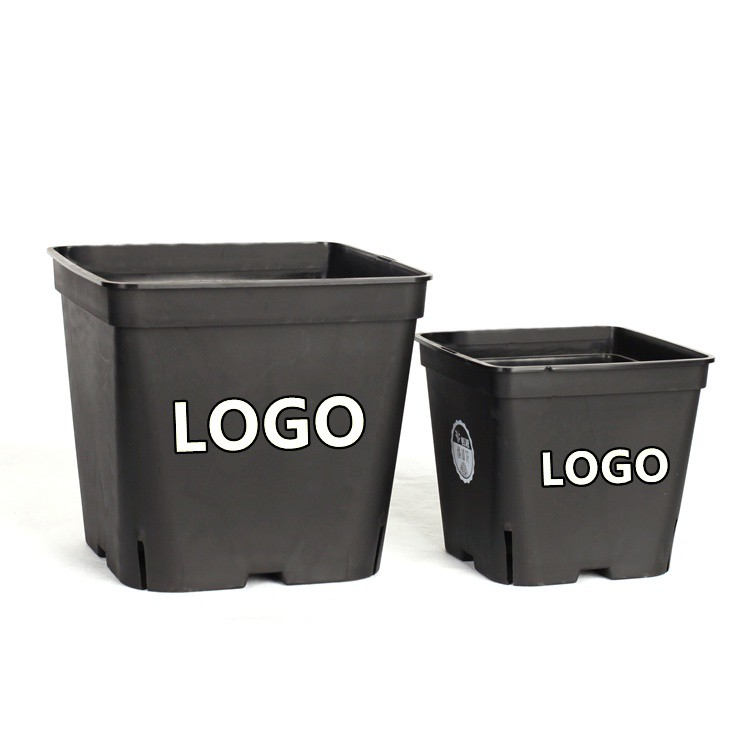
Spatial efficiency is a primary logistical concern. Traditional round planters create significant negative space. Arranging them in a grid wastes approximately 22 percent of the available footprint. A square configuration changes this. Planters sit flush against one another edge-to-edge. This geometric efficiency maximizes canopy density per square foot. For cross-pollinating varieties, placing multiple 8-square blueberry pots in close proximity improves bee pollination rates. This directly correlates to higher fruit yields.
These specific shrubs develop a highly fibrous shallow root system. They lack traditional root hairs and are exceptionally sensitive to waterlogging. Saturated potting medium quickly leads to fatal fungal diseases like Phytophthora root rot. High-quality square planters feature advanced multi-tier drainage dynamics at the base. This injection-molded architecture elevates the bottom slightly above the ground. It prevents the formation of a perched water table. Gravity efficiently pulls excess moisture out of the root zone while drawing fresh oxygen down into the soil matrix.
The root zone is highly sensitive to thermal fluctuations. When a standard solid black nursery pot sits in direct afternoon sunlight, the dark surface absorbs massive solar radiation. Internal soil temperatures rise to lethal levels, burning delicate root tips. Advanced manufacturing solves this. A dual-layer Co Ex Pot utilizes co-extrusion technology. The lighter exterior layer reflects near-infrared radiation to keep the internal soil cooler. Simultaneously, the opaque black interior layer blocks ambient light from penetrating the plastic wall. This prevents subsurface algae growth that competes for essential nutrients.
Not all pots are created equal. Serious growers must evaluate containers based on strict performance criteria rather than aesthetics.
First, assess material durability. These bushes are long-term perennial investments. Standard thermoformed plastics become brittle and fracture after a single season of ultraviolet exposure and winter freezing. Always opt for heavy-duty injection-molded nursery pots constructed from high-impact polymers. They resist cracking under the expansion pressure of freezing wet soil.
Second, verify the drainage design. Avoid containers with a completely flat bottom resting directly on the patio. Look for engineered standoff feet and side-bottom drainage slits to ensure rapid water evacuation.
To explore professional-grade options engineered specifically for optimal root health, review the technical specifications available at HJ Pots.
Maximizing the lifespan of your favorite soft fruits bridges effective kitchen habits with superior cultivation methods. Inside the refrigerator, controlling ambient humidity is paramount. Utilizing a specialized vented saver and strictly delaying the washing process will dramatically preserve texture.
However, true unparalleled freshness originates at the root. Cultivating your own supply offers extraordinary results. By utilizing professional-grade specialized planters, growers effortlessly manage soil acidity, ensure rapid drainage, and protect sensitive root systems. Stop relying on fragile supermarket supply chains. Take control of the growing process and enjoy an endless vibrant summer harvest straight from your own backyard.
No. Avoid washing them before refrigerator storage unless you intend to dry them meticulously using a salad spinner and paper towels. The natural epicuticular wax acts as a vital moisture barrier. Introducing tap water without immediate thorough drying traps dampness against the skin. This rapidly accelerates gray mold growth.
Longevity depends heavily on the storage vessel and initial harvest quality. In their original commercial clamshell without modification, they maintain firmness for 3 to 5 days. Transferred to a specialized vented produce container lined with a dry paper towel, unwashed berries retain structural integrity for 10 to 14 days.
Freezing must occur in two stages to prevent cellular degradation. First, place unwashed berries in a single layer on a parchment-lined baking sheet. Flash-freeze them for four hours. Once frozen solid, transfer them into a vacuum-sealed bag or a heavy-duty silicone freezer bag. Eliminating ambient air prevents moisture sublimation and severe freezer burn.
Yes. They are exceptionally well-suited for year-round container cultivation. These shrubs require a certain number of chill hours during winter dormancy to produce fruit. Using a highly durable thick-walled planter prevents the plastic from cracking during freeze-thaw cycles. In severe sub-zero winters, move the planters into an unheated garage to buffer roots against extreme wind chill.
They generally last longer in vented plastic produce savers than in sealed glass jars. While glass provides excellent temperature stability, an airtight glass jar traps respiratory moisture. This trapped humidity inevitably leads to rapid mold development. Vented plastic containers allow ethylene gas and excess moisture to escape, maintaining an optimal microclimate.
Leave the stems attached until you are ready to eat or freeze the fruit. Plucking the stem creates a tiny open wound at the top of the berry. This exposed flesh becomes an immediate entry point for airborne bacteria and fungal spores. Keeping the stem intact preserves the biological seal and extends shelf life.


