

close
Choose Your Site
Global
Social Media
 |


| Quantity: | |
|---|---|
In the world of gardening and plant care, self-watering pots are gaining popularity for their convenience and effectiveness. Here's a comprehensive guide on how to use a self-watering pot to ensure your plants flourish.
First, choose the right self-watering pot for your needs. There are various sizes and styles available, so consider the type of plant you want to grow and the space you have. Some self-watering pots are made of plastic, while others are ceramic or terracotta, each with its own aesthetic appeal.
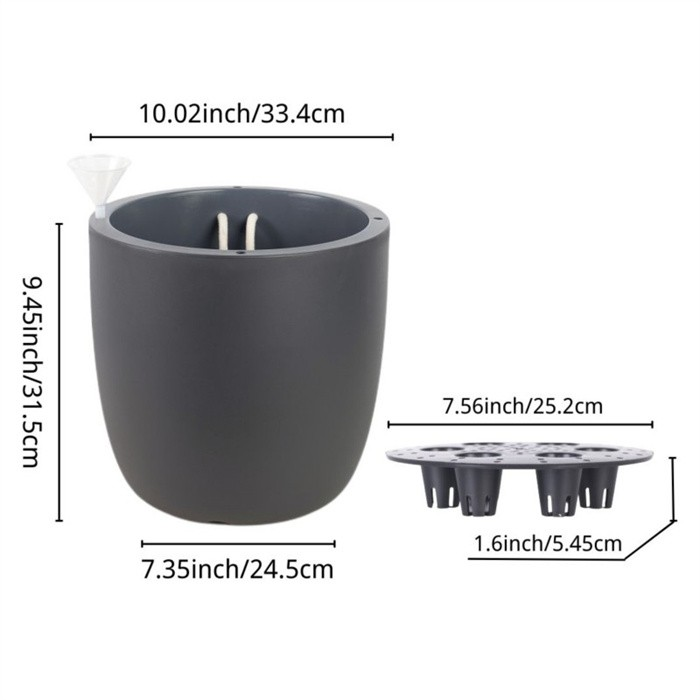
Once you have your pot, prepare it for use. Remove any packaging and inspect the pot for any damage. Some self-watering pots come with a water reservoir that needs to be filled before planting. Follow the manufacturer's instructions to ensure proper assembly.
Next, select the right soil. For self-watering pots, it's important to use a well-draining potting mix. This will prevent waterlogging and ensure that the roots of your plant get the right amount of oxygen.
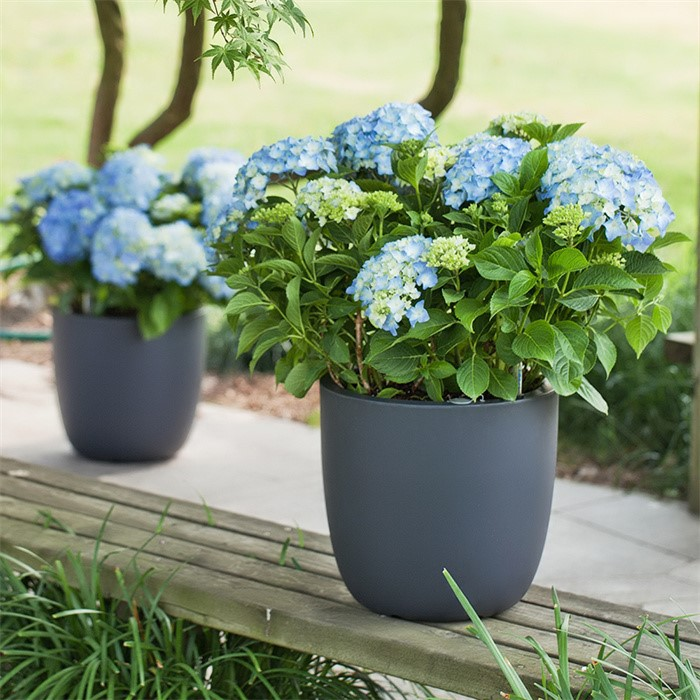
Now it's time to plant your chosen plant. Gently remove the plant from its nursery container and place it in the self-watering pot. Fill in any gaps with potting soil, making sure to firm it gently around the roots.
After planting, water your plant thoroughly. This will help settle the soil and ensure that the water reaches the roots. Some self-watering pots have a water level indicator, which can be helpful in determining when to add more water.
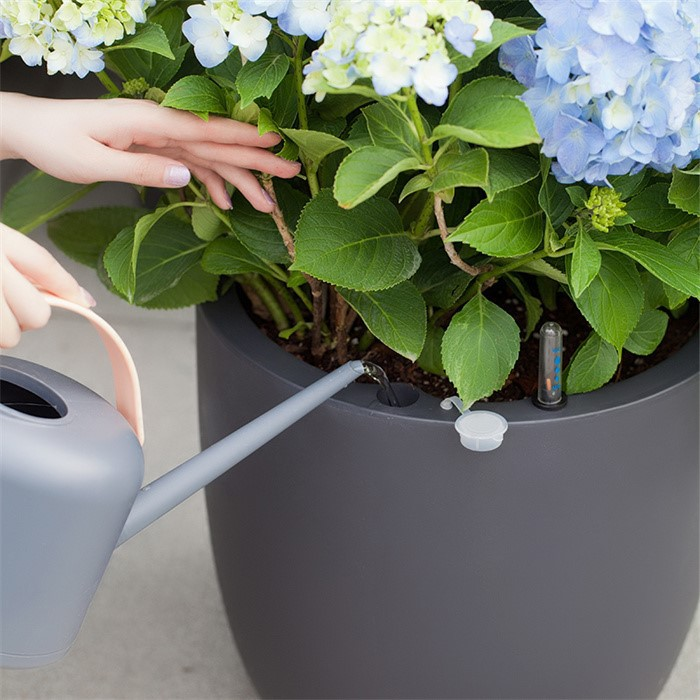
As your plant grows, monitor the water level in the reservoir. Depending on the size of the pot and the plant's water needs, you may need to refill the reservoir every few days or weeks. Be careful not to overfill the reservoir, as this can lead to waterlogging.
In addition to regular watering, self-watering pots also benefit from occasional fertilization. Use a slow-release fertilizer or a liquid fertilizer diluted according to the instructions. This will provide essential nutrients to your plant and promote healthy growth.
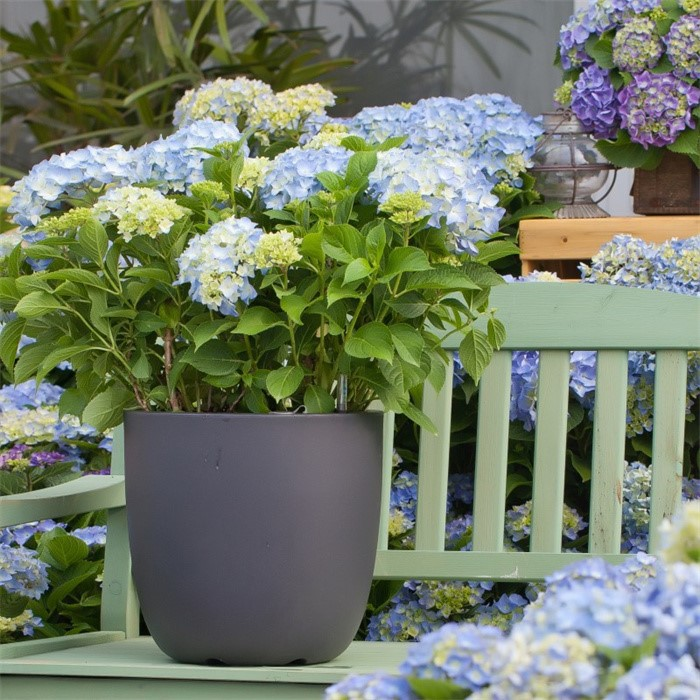
Finally, keep an eye on your plant for any signs of stress or disease. Self-watering pots can help reduce the risk of overwatering and underwatering, but they are not a guarantee against all plant problems. If you notice any issues, take appropriate action promptly.
In conclusion, using a self-watering pot is a simple and effective way to care for your plants. By following these steps, you can ensure that your plants receive the right amount of water and nutrients, leading to healthy growth and beautiful blooms. Whether you're a beginner or an experienced gardener, self-watering pots are a great addition to your gardening toolkit.
Hot Tags: self watering pot, China self watering pot manufacturers, suppliers, factory, Square PP Flower Pot, 2 Gallon Nursery Pot, Decorative Plastic Watering Cans, 10 Plastic Plant Pot, Fabric Grow Bags For Plants, 3 Gallon Nursery Pot


