

close
Choose Your Site
Global
Social Media
Views: 0 Author: Site Editor Publish Time: 2026-09-30 Origin: Site


You bring home a vibrant new plant, only to realize your current containers are entirely the wrong dimension. It is a common and avoidable frustration. Historically, cultivating a lush indoor oasis or patio garden required hauling heavy, fragile materials like concrete, clay, or glazed ceramic. Material science has profoundly evolved since those days. Today, high-quality polymers have revolutionized both indoor and outdoor horticulture. They offer a highly practical alternative that never sacrifices visual aesthetics.
This comprehensive guide provides an evidence-based size chart and functional analysis. How do you choose the right vessel? By understanding volume measurements, drainage mechanics, and material durability. This knowledge allows you to make an informed purchasing decision that supports healthy root systems and long-term plant vitality.
Size Matters: Selecting the correct dimensions prevents common horticultural issues like root rot, overwatering, and stunted botanical growth.
Modern Aesthetics: Contemporary manufacturing allows synthetic vessels to flawlessly mimic natural materials like stone or ceramic while remaining exceptionally lightweight.
Essential Features: Objective indicators of quality include UV resistance, pre-drilled bottom drainage holes, and thick-walled construction.
Cost-Effective Durability: Polymer-based containers provide a measurable return on investment through weather resistance and longevity. They easily outperform fragile alternatives in freezing conditions.
Recent market analyses highlight a significant shift in consumer preferences toward advanced synthetic materials. Driven by the rapid expansion of urban horticulture and balcony gardening, modern consumers prioritize lightweight, weather-resistant solutions. These products must comply with structural weight limits without compromising on upscale design.
Specifically, search trends indicate a surging demand for injection-molded polymers featuring textured, matte finishes that replicate natural masonry. Climate change and extreme weather patterns are also pushing gardeners away from traditional clay, which cracks under thermal stress. This trend underscores a collective desire for premium, minimalist aesthetics combined with the logistical ease of modern manufacturing. Manufacturers are innovating rapidly, proving that botanical enthusiasts no longer have to choose between elegance and everyday functionality.
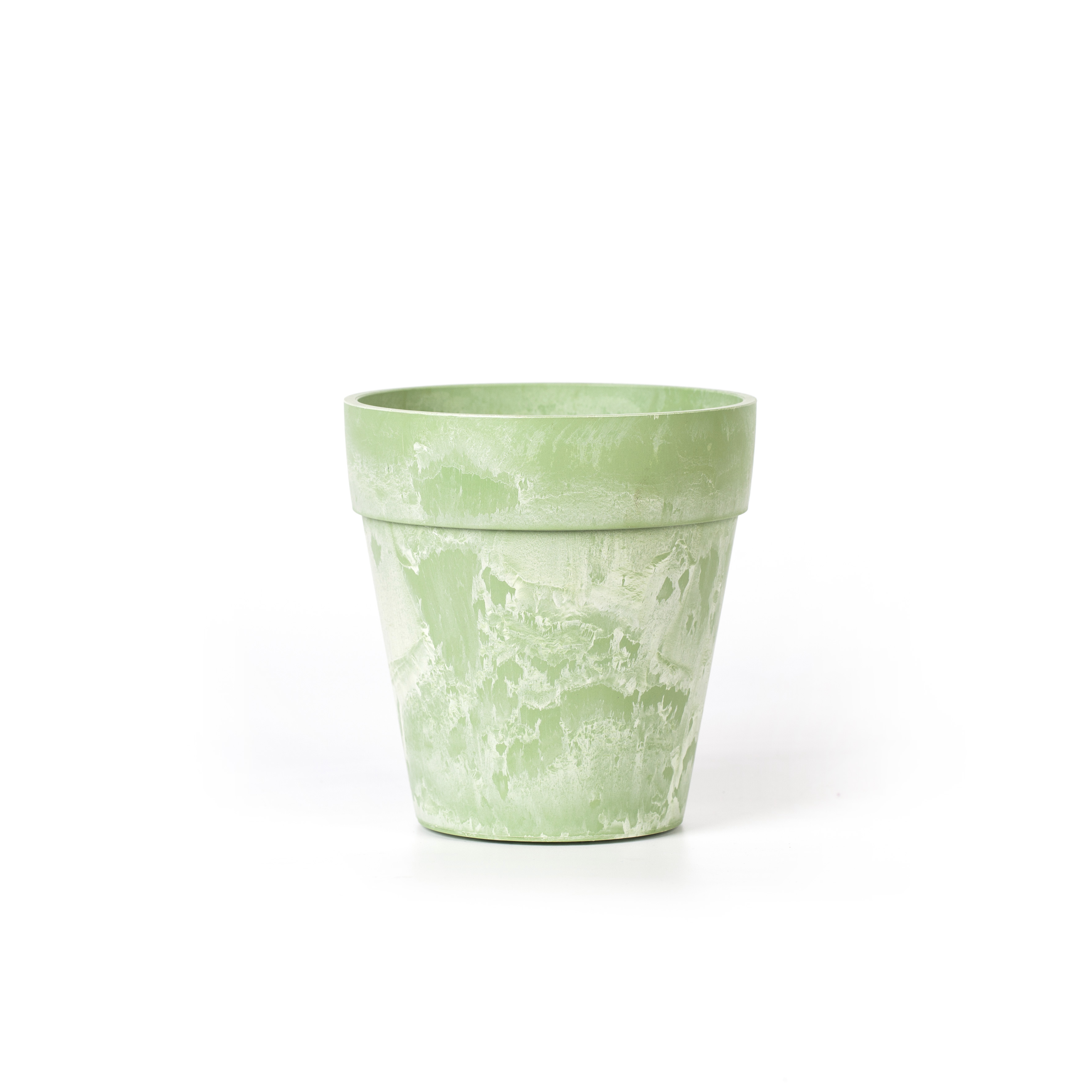
When evaluating containers for horticultural use, the underlying material properties directly impact plant health and your ongoing maintenance routine. While traditional clay holds historical appeal, modern synthetics offer distinct, evidence-based advantages from an engineering standpoint.
One of the most quantifiable benefits of a synthetic container is its incredibly low mass. Dense potting soil and water add significant weight to any botanical setup. Upgrading to a lightweight plastic planter reduces the baseline weight by up to 90 percent. This allows you to safely relocate large specimens for seasonal sunlight adjustments without requiring specialized lifting equipment or risking back strain.
Furthermore, superior moisture retention is a critical factor. Unlike porous materials such as unglazed terracotta, which constantly wick moisture out of the soil and evaporate it into the air, plastic is inherently impermeable. This physical characteristic ensures that the container retains soil moisture for significantly longer periods. For moisture-loving species, this creates a stable, hydrated root environment. It also provides immense relief for busy individuals who cannot commit to daily watering schedules during peak summer heatwaves.
In terms of unmatched durability, traditional garden pots are notoriously susceptible to physical and thermal shock. High-density polyethylene and polypropylene boast exceptional structural flexibility. They will not shatter into dangerous shards if accidentally dropped during a messy repotting session. Premium plastics are engineered to withstand the expansion of freezing winter soil without cracking, which is a common and expensive failure point for ceramic alternatives.
To make a truly informed purchasing decision, it is helpful to evaluate synthetic options directly against their two most common traditional alternatives. Below is a technical breakdown of how these materials perform in real-world gardening scenarios.
Material Type | Weight / Portability | Moisture Retention | Durability & Thermal Resistance | Best Use Case |
|---|---|---|---|---|
Advanced Polymer | Extremely lightweight; easy to relocate. | High. Prevents rapid evaporation. | Shatterproof, frost-resistant, UV-stabilized. | Balconies, large patio plants, moisture-loving tropicals. |
Unglazed Terracotta | Heavy; difficult to move when wet. | Low. Highly porous; requires frequent watering. | Prone to shattering and frost cracking. | Desert species, succulents, cacti. |
Glazed Ceramic | Very heavy; poses structural limits for shelves. | High. Glaze seals the porous clay. | Brittle; vulnerable to thermal shock. | Indoor decorative cachepots. |
Navigating the sizing terminology in local garden centers often feels confusing. Manufacturers utilize two entirely different measurement systems depending on the intended use of the container.
Standard industry practice dictates that indoor and decorative containers are measured by their top internal diameter in inches. For instance, an 8-inch pot simply means the opening across the top is eight inches wide. Conversely, nursery containers and large outdoor pots are typically measured by volume, often in gallons. It is crucial to note that a nursery gallon is traditionally smaller than a standard liquid gallon. It represents the specific volume of soil the container can hold.
Horticulturalists universally rely on the Two-Inch Rule to prevent transplant shock. When upgrading a growing plant, you should always select a container that is exactly one to two inches larger in diameter than the plant's current root ball. Placing a tiny root system into an excessively large pot surrounds it with too much soil. That excess soil acts like a sponge, retaining far more water than the plant can absorb. This ultimately creates a soggy, anaerobic environment prone to fungal diseases.
Selecting the correct dimensions is the foundational step for optimal root development. Below is a structured guide to matching your specific plant types with their appropriate container sizes.
Small containers ranging from 2 to 4 inches are strictly designed for early-stage growth or drought-tolerant miniatures. Because the soil volume is so restricted, they dry out rapidly. They serve as the standard choice for germinating delicate seeds, propagating cuttings, or housing slow-growing succulents that demand minimal root space.
Medium containers ranging from 6 to 8 inches represent the most versatile category for average residential use. A 6-inch container provides ample root space for standard houseplants, trailing vines, and culinary herbs. It strikes the perfect balance, offering adequate moisture retention while maintaining a highly manageable spatial footprint on shelves or tables.
Once a plant reaches maturity, it requires a substantially larger reservoir for nutrients and water. Large pots ranging from 10 to 14 inches are necessary for heavy-feeding plants like patio tomatoes, peppers, or robust indoor aroids. The increased soil mass provides a heavy, stable base, preventing top-heavy foliage from tipping over in a stiff breeze.
Extra-large planters measuring 16 inches and above are reserved for serious outdoor gardening or massive indoor statement pieces. These containers mimic the environment of being planted directly in the earth. They are specifically engineered with thicker walls to support the extensive, outward-pushing root networks of dwarf fruit trees, large ornamental grasses, and deep-rooted vegetables.
For urban gardeners dealing with limited square footage, the 6-inch container remains the undisputed industry standard. The secret to a beautiful balcony lies in finding a harmonious balance between visual appeal and practical functionality.
Modern manufacturing techniques have successfully bridged the gap between interior design requirements and horticultural necessities. A prime example of this engineering evolution is the 6-Inch EB Stone-Look Nordic Plastic Planter. This specific product beautifully demonstrates how advanced injection molding can replicate organic, earthy textures while maintaining all the physical benefits of synthetic polymers.
Authentic stone containers are prohibitively heavy, posing legitimate structural concerns for apartment balconies and delicate glass shelving. Today, the stone-look is trending because it utilizes textured molds and matte finishes to provide the premium, minimalist aesthetic associated with Nordic design. It delivers the visual weight and elegance of real masonry, but without the extreme physical burden or the exorbitant retail cost.
This specific dimension is highly strategic. It is small enough to sit securely on narrow apartment ledges, yet spacious enough to sustain a thriving root system. If you are curating an outdoor space, utilizing a Nordic plastic planter for balcony decor is absolutely ideal for cultivating basil, mint, trailing ivy, or vibrant flowering annuals. Its lightweight nature ensures that even when packed with damp soil, it remains effortless to rotate for even sun exposure.
Not all synthetic containers are manufactured to the same rigorous standards. To guarantee longevity and protect your botanical investments, evaluate products based on objective criteria.
Proper drainage is the most fundamental requirement for plant survival. Because plastic does not breathe, excess water must have a physical escape route. Always ensure your chosen vessel features unobstructed, pre-drilled bottom drainage holes. If roots are left to sit in standing water, they will swiftly suffocate, decay, and kill the plant.
When deployed in outdoor applications, standard untreated plastics undergo severe photodegradation. The sun's ultraviolet rays break down the polymer chains, causing the material to fade, turn brittle, and eventually crack. High-quality outdoor garden pots are chemically stabilized with UV inhibitors mixed directly into the resin, ensuring they maintain their vibrant color and structural integrity over multiple harsh summers.
You should actively avoid paper-thin, blow-molded plastics that warp or tear easily when squeezed. These thin walls offer poor insulation against temperature spikes. Instead, seek out thick-walled, injection-molded pots featuring reinforced rims. These maintain their rigid, dependable structure even when filled to the brim with heavy, saturated soil.
Successfully transferring a plant requires careful, methodical handling to minimize transplant shock and encourage rapid root establishment. Follow this systematic engineering approach to ensure your plant thrives in its new environment.
Start with thorough preparation. Clean the new container completely. If the drainage holes are excessively large, place a small piece of mesh screen over them to prevent soil loss while still allowing water to pass freely. Water the plant lightly an hour before repotting. Turn the old pot sideways, gently squeeze the sides, and coax the plant out by supporting the base of the stem. Never pull forcefully from the delicate top foliage.
Next, examine the root ball closely. Use sterilized shears to trim away any dark brown, mushy, or foul-smelling roots. Gently massage the outer roots to loosen them, encouraging outward growth. Add a foundational layer of fresh, well-draining potting mix to your durable plastic planter. Place the plant inside so that the base of the stem sits approximately one inch below the pot's rim. Fill the remaining gaps with soil, pressing lightly to eliminate large air pockets.
Finally, water the plant thoroughly until moisture flows continuously from the bottom drainage holes. This vital step settles the fresh soil and ensures the stressed root system has immediate access to hydration.
Over the course of a growing season, tap water and liquid fertilizers leave behind a crusty, white buildup of mineral salts on the interior walls. When scrubbing out last season's compacted dirt, empty the pots and use a stiff brush with warm water and mild dish soap. For stubborn hard water stains, a diluted white vinegar solution works wonders. Rinse thoroughly and allow the container to air dry completely before reuse.
Choosing the perfect vessel for your greenery ultimately comes down to understanding your plant’s specific size requirements and selecting a highly durable, practical material. Modern manufacturing has ensured that you no longer have to compromise between structural integrity and visual appeal.
Today's synthetic containers offer the absolute best of both worlds. They feature stunning, sophisticated designs that mimic premium stone finishes, combined with the unbeatable practicality of being lightweight and shatterproof. Upgrade your garden, patio, or balcony today by exploring high-quality, weather-resistant solutions designed for long-lasting horticultural success. For premium options that perfectly balance Nordic aesthetics with engineering durability, explore the extensive catalog at HJ Pots to find the ideal match for your botanical needs.
Yes, absolutely. While this material retains moisture exceptionally well, without drainage holes, water will inevitably pool at the bottom of the container. This displaces oxygen in the soil and quickly leads to fatal root rot.
Yes, the vast majority of modern containers designed for gardening are manufactured from food-safe, BPA-free polymers, such as high-density polyethylene or polypropylene. Always verify the manufacturer's specific product details if you plan to cultivate edible crops.
High-quality, injection-molded containers treated with UV inhibitors can easily last 5 to 10 years outdoors without significant fading or cracking. Cheaper, untreated blow-molded alternatives may become brittle and degrade within a single harsh summer.
To prevent cracking, place a piece of masking tape over the spot where you intend to drill. Use a standard twist drill bit designed for wood or plastic, apply gentle and even pressure, and drill slowly. The tape provides traction for the bit and prevents the polymer from splintering.
Thick-walled, injection-molded containers can generally withstand freezing temperatures without issue. Conversely, thin plastics may become brittle and crack under thermal stress. It is usually best practice to move empty pots to a sheltered storage area during harsh winters.
Because the material itself is so lightweight, tall containers can become top-heavy. To counteract this, simply add a layer of heavy gravel, river rocks, or broken pottery to the very bottom of the pot before adding your soil. This significantly lowers the center of gravity and prevents tipping during heavy winds.
Yes, color plays a distinct role in temperature regulation. Dark-colored containers absorb far more solar heat, which warms the internal soil quickly. While this is excellent for heat-loving tropicals or summer vegetables, it may require you to increase your watering frequency during peak summer heatwaves.


