

close
Choose Your Site
Global
Social Media
Views: 0 Author: Site Editor Publish Time: 2026-09-30 Origin: Site


Every gardener knows the scene. You finish planting your spring beds. What remains? A sprawling mountain of empty, flimsy nursery containers. Millions of these single-use items enter our landfills every single year. They contribute heavily to environmental degradation. But before you toss them into the recycle bin, stop. These containers hold untapped potential. By applying a few practical techniques, you can transform this garden waste into highly functional assets. Here is exactly how to clean, repurpose, and strategically upgrade your container inventory.
Sanitization is Non-Negotiable: Always clean and thoroughly disinfect old containers before introducing new soil. This foundational step eliminates soil-borne pathogens and fungal spores.
Functional Repurposing: Extending their lifecycle requires minimal effort. Old containers serve brilliantly as seed starters, overnight frost protectors, and volume-fillers for massive patio planters.
Structural Upcycling: With proper surface preparation, a standard nursery container can be modified into aesthetically pleasing home decor using specialized paints or natural fibers.
Utility Organization: The inherent moisture resistance of these polymers makes them perfect for non-horticultural uses. They provide excellent, free storage solutions in garages and sheds.
Strategic Material Upgrades: Recognizing polymer fatigue is critical. When thin plastics become brittle, recycle them responsibly and invest in heavy-duty, modern alternatives that mimic natural materials.
The horticultural sector is currently undergoing a massive transformation. Market analyses indicate a surging consumer demand for sustainable landscaping practices and circular economy models. Historically, the industry relied on a linear model of producing, using, and immediately discarding agricultural plastics. Today, eco-conscious growers and landscape engineers are actively rejecting this approach. They recognize the severe impact of microplastic pollution.
Instead of treating polymer containers as disposable shells, the trend is shifting toward extreme durability and lifecycle extension. Manufacturers are responding by developing advanced composite materials. Gardeners are now prioritizing upcycling frameworks for their existing inventory. When replacements are necessary, the market heavily favors UV-stabilized, multi-season products over thin, single-use plastics. This fundamental shift reduces carbon footprints while elevating the overall aesthetic standard of modern outdoor living spaces.
Why keep these basic black pots? The decision comes down to material science and basic economics. The horticultural industry relies primarily on high-density polyethylene and polypropylene. These materials require significant fossil fuels to manufacture. They take centuries to decompose in a landfill. By washing and reusing a standard plastic flower pot, you actively divert non-biodegradable waste from vulnerable local ecosystems.
Beyond the environmental metrics, gardening expenses accumulate rapidly. Premium soil, organic fertilizers, and rare plant varieties require a substantial financial commitment. Repurposing your existing containers frees up your seasonal budget. You can allocate those funds toward high-quality compost rather than disposable plastic shells. Because the polymer structure is inherently water-resistant, even a remarkably thin nursery container possesses a long lifespan if protected from excessive mechanical stress.
Reusing dirty containers is a heavily documented risk factor in professional horticulture. Leftover soil harbors dormant fungal spores, bacterial blights, and microscopic pest eggs. Proper sanitization is the only reliable method to guarantee a sterile environment for vulnerable new root systems.
Chemical disinfectants fail if organic matter remains on the surface. Mechanical removal is critical. Use a stiff-bristled brush to aggressively scrape away dried soil and dead root fragments. Pay special attention to the white, crusty rings clinging near the rim. These are accumulations of calcium carbonate and fertilizer salts. If left intact, they cause severe chemical burns to tender seedlings. Once scrubbed, blast the container thoroughly with a high-pressure hose.
After washing away physical debris, fully submerge the containers in a sterilizing solution. This targets microscopic pathogens. For severe fungal issues, mix one part household bleach with nine parts water. Soak the pots for 15 minutes. Alternatively, utilize an organic acid wash. A mixture of one part white vinegar, one part hydrogen peroxide, and eight parts water dissolves heavy mineral salt buildup beautifully over a 30-minute soak.
Remove the containers and scrub them one final time with a scouring pad. This eliminates any loosened salt deposits. Rinse extensively with clean water to wash away residual chemicals. Finally, place the containers outdoors in intense sunlight. The ultraviolet rays radiating from the sun provide a fantastic, natural layer of secondary sterilization.
Once sanitized, these items offer immense practical utility directly within your backyard ecosystem. Functional reuse yields the highest return on minimal physical effort.
Small nursery containers are engineered specifically for early-stage root development. Do not waste money on flimsy new seed trays. Fill your cleaned pots with a sterile seed-starting mix. Their generously sized drainage holes perfectly prevent the waterlogging that inevitably leads to root rot in fragile seedlings. They are equally indispensable for rooting fresh stem cuttings.
Late spring frosts pose a deadly threat to tender outdoor transplants. Fortunately, a rigid modern plastic flower pot functions as a highly effective temporary cloche. If a sudden freeze warning is issued, invert an empty container over your young plants late in the afternoon. The solid plastic traps ambient heat radiating upward from the soil. This localized microclimate keeps the enclosed plant several degrees warmer than the freezing air outside.
Filling a massive patio planter entirely with premium potting soil is both financially draining and physically exhausting. Shallow-rooted annuals do not require three feet of soil depth. Place several clean, upside-down plastic containers at the bottom of the large planter before adding soil. This engineering technique reduces required soil volume by up to 40 percent. It significantly decreases the overall weight and creates subterranean air pockets that promote excellent drainage.
Aggressive plants like mint or bamboo spread rapidly via creeping underground rhizomes. You can utilize a sturdy container to severely restrict their unwanted growth. Cut the entire bottom out of the plastic basin. Sink this newly formed cylinder deep into the soil, leaving just the top inch exposed. Plant your aggressive herb directly inside it. The rigid walls act as a subterranean barrier, directing root growth downward rather than outward.
The utilitarian look of black nursery plastic often clashes with curated patio aesthetics. Do not despair. These containers serve as excellent structural bases for creative upcycling.
Standard acrylic paints do not adhere to smooth plastics. They will peel when exposed to humidity. To successfully paint a polymer surface, you must first lightly sand the exterior with fine-grit sandpaper. This creates a mechanical bonding texture. Wipe away the dust, then apply a premium spray paint formulated for plastic adhesion. Mixing a dash of baking soda into standard acrylics creates a convincing faux-terracotta matte finish. Always seal your work with a clear, UV-resistant polyurethane topcoat.
For a rustic aesthetic, completely conceal the plastic exterior using natural fibers. Start at the bottom rim and apply a thick bead of industrial hot glue. Press the end of a thick sisal rope firmly into the glue. Methodically coil the rope tightly around the circumference, applying fresh glue every few inches. The final result is a sturdy, woven basket appearance that completely hides its origins.
The durable nature of these containers makes them excellent candidates for household storage. Repurposing them indoors prevents them from entering the waste stream while providing highly functional organizational systems.
Garages are notoriously difficult to keep organized due to oddly shaped tools. Sturdy, medium-sized containers can be ingeniously repurposed as modular storage bins. Line them up on a garage shelf to create dedicated sorting stations for hand trowels, zip ties, and work gloves. You can even transform a small pot into a twine dispenser. Place the ball of string inside, thread the end through the bottom drainage hole, and invert the pot on a shelf to prevent tangles.
Physical modification yields entirely new tools. If you have a rigid pot with minor rim damage, slice it diagonally to create a durable scoop. Cut from the top rim down toward the base at a sharp 45-degree angle. Leave the bottom intact as the sturdy back of the scoop. This DIY tool is highly effective for dispensing heavy potting soil or granular pet food.
Plastic is not an invincible material. The polymers used in standard nursery containers are formulated for short-term agricultural transport, not decades of harsh outdoor use. Recognizing when a container has reached the end of its functional lifespan is crucial.
The primary enemy of outdoor plastics is ultraviolet radiation. Prolonged exposure to blistering sunlight causes chemical bonds to break down. You can identify a failing container through empirical signs. If the rim snaps under light pressure when lifting a plant, the structural integrity is fatally compromised. A powdery, chalky residue on the exterior indicates severe photodegradation. The item is actively shedding microplastics and must be retired immediately.
When it is time to retire brittle containers, invest in high-quality materials explicitly designed for longevity. Modern manufacturing allows consumers to purchase heavy-duty plastics that offer gorgeous aesthetic appeal without extreme weight.
Feature | Standard Nursery Pot | Modern Stone-Look Polymer Pot |
|---|---|---|
Material Composition | Thin Polypropylene | High-Density UV-Stabilized Polymer |
Lifespan | 1 to 2 Seasons | 10+ Years |
UV Resistance | Low. Becomes brittle and chalky. | High. Resists fading and cracking. |
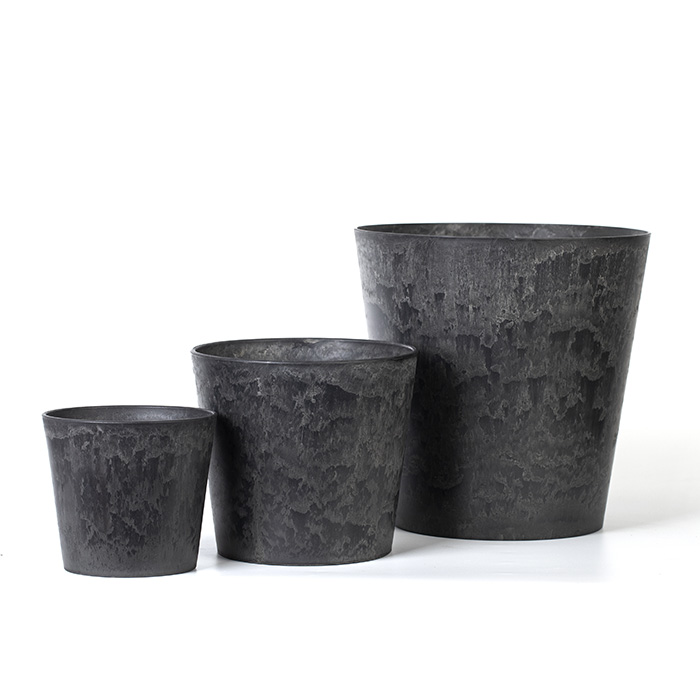
Aesthetic Appeal | Utilitarian, industrial black/green. | Textured finish mimicking real concrete/stone. |
For a prudent upgrade, selecting a 7-Inch EB Stone Look Modern Plastic Flower Pot provides a highly durable solution. Products engineered to this standard offer superior moisture retention and lightweight convenience. The sophisticated, textured finish flawlessly mimics real concrete. Upgrading to multi-season containers drastically reduces your long-term consumption of single-use plastics.
When old containers are too shattered to serve as planters or scoops, dispose of them responsibly. Throwing them into household trash contributes to landfill overflow. However, recycling agricultural plastics requires navigating specific commercial systems.
Actual recyclability depends on the resin identification code stamped on the bottom. Most are High-Density Polyethylene or Polypropylene. While technically recyclable, many local curbside programs reject them due to soil contamination. More importantly, optical sorting machines at recovery facilities rely on bouncing light off plastics. The carbon black pigment used in nursery pots absorbs this light. They become invisible to scanners and are incorrectly sorted into residual waste.
Because curbside recycling is unreliable, utilize dedicated commercial return programs. Many large home improvement retailers partner with specialized recycling firms. They feature large drop-off bins near garden center entrances. These programs accept pots of all colors, including problematic black plastic. The materials are ground down, melted, and extruded into brand-new garden containers. This creates a brilliant closed-loop recycling system.
Reusing old containers reduces environmental waste and keeps money in your pocket. From serving as protective garden cloches to becoming modular garage storage, the humble nursery pot possesses incredible utility. Eventually, all thin plastics succumb to sun exposure. When they crack, recycle them through proper agricultural drop-off channels.
If your current inventory is failing, it is time to invest in longevity. Stop replacing flimsy pots every spring. Upgrade your patio with highly durable, aesthetically pleasing alternatives. Browse the premium selection of durable plastic flower pots at HJ Pots to find weather-resistant, stone-look designs that guarantee your sustainable garden remains beautiful for years to come.
Whether you can place them in your curbside bin depends on your local municipality and the specific color of the plastic. Check the resin identification code, usually number 2 or 5. Many curbside programs explicitly reject garden plastics due to soil contamination. Black plastics are almost universally rejected because optical sorting lasers cannot detect carbon black pigment. Take them to a dedicated garden center drop-off bin instead.
The usable lifespan depends entirely on material thickness and daily exposure to outdoor elements. A high-quality, thick-walled container with UV stabilizers easily lasts for a decade. Thin, flexible nursery pots are designed primarily for temporary transport. These can typically be reused two to four times before relentless ultraviolet radiation destroys the polymer chains, rendering them brittle.
Yes, the vast majority of modern containers are completely safe for cultivating herbs and vegetables. Look for containers made from High-Density Polyethylene or Polypropylene. Both plastics are widely recognized as food-safe by regulatory agencies. They are highly chemically stable and do not leach harmful compounds into the potting soil, even when exposed to extreme summer heat.
The crusty white marks are stubbornly bonded mineral deposits, primarily calcium carbonate from hard tap water and synthetic fertilizers. Because these deposits are alkaline, they dissolve easily using a mild household acid. Soak the affected pot in a solution of equal parts white vinegar and warm water for 30 minutes. The acid breaks down the mineral bonds, allowing you to easily scrub the stains away.
Yes, black polymer surfaces absorb significantly more solar radiation than lighter colors. During peak summer months, the soil temperature inside a black pot can spike dramatically. This excessive heat stresses delicate root systems and accelerates soil moisture evaporation. If you live in a hot climate, it is highly recommended to upgrade to lighter-colored, stone-look containers or shade the black pots behind larger plants.
Visual and tactile inspections are your best diagnostic tools. High-quality agricultural plastics are highly stable. However, if the pot exhibits a chalky, powdery residue on the surface, it is experiencing severe photodegradation. If the plastic feels sticky, smells strongly of chemicals after being in the sun, or crumbles easily, the polymer bonds are breaking down. At this stage, it should be removed from active garden use immediately.


