

close
Choose Your Site
Global
Social Media
Views: 0 Author: Site Editor Publish Time: 2026-09-30 Origin: Site


Imagine finally sourcing a breathtaking six-foot Ficus Audrey for a main living space. You might also select a striking olive tree to anchor an outdoor patio. Selecting an inadequate container instantly ruins that carefully curated aesthetic. Utilizing generic or incorrectly sized receptacles does more than clash with room design. It actively stunts root development and jeopardizes the biological health of the greenery.
The solution lies in selecting high-quality botanical housing. These containers represent the perfect intersection of structural form and horticultural function. Upgrading to premium vessels ensures vegetation thrives in a stable biological environment. It simultaneously elevates the surrounding architectural decor. This comprehensive guide details exactly how to evaluate styles, sizes, and materials. We will empower you to make a confident purchase that perfectly complements the target space.
Material Engineering: The structural composition of a container dictates its longevity, thermal insulation, and weather resistance.
Volumetric Sizing: Choosing a container exactly one to two inches wider than the current nursery pot prevents anaerobic soil conditions.
Spatial Styling: Geometric shapes visually transform environments from sleek corporate columns to wide residential troughs.
Mechanical Functionality: Features like unobstructed drainage holes and verified UV resistance act as non-negotiable requirements for plant survival.
Allocating a budget toward high-end botanical accessories requires clear justification for property owners and design professionals. Empirical evidence across interior design and horticulture demonstrates that high-quality containers provide measurable returns. They extend foliage lifespan. They reduce seasonal replacement costs. They dramatically improve overall plant vitality.
Standard plastic nursery containers serve as temporary greenhouse storage. They fail in refined interior design applications. Upgrading to premium options transforms functional items into deliberate statement pieces. Clean lines, matte finishes, and geometric structures instantly elevate ordinary spaces. The visual weight and texture of a well-crafted Modern Planter Pot bridge the gap between nature and architecture. The pot becomes an integral part of the room's visual vocabulary rather than an object to hide.
Premium materials provide superior biological environments for sensitive root systems. Cheap plastic offers zero insulation against sudden temperature fluctuations. High-quality composites provide essential thermal mass. This thermal barrier ensures soil stays cooler during scorching summer afternoons and retains warmth during chilly nights. Well-engineered containers also feature optimized internal shapes. These profiles encourage proper root spiraling and prevent stagnant water pooling at the base. Investing in better housing actively reduces the risk of soil compaction and deadly fungal diseases.
Constantly replacing brittle plastics or poorly fired clay yields a terrible return on investment. Premium planters withstand severe environmental stress by design. High-grade composites resist UV fading under direct sunlight. Frost-proof manufacturing prevents structural cracking during freezing temperatures. Acquiring a durable container means securing a product engineered to last for decades.
Selecting the correct material stands as the most critical decision in the specification process. The structural composition dictates unit weight, watering frequency, and year-round outdoor survivability.
Material Type | Weight Profile | Weather Resistance | Best Application |
|---|---|---|---|
Fiber Clay / Composite | Medium-Light | Excellent UV & Frost Resistance | Commercial lobbies, high-end patios |
Terracotta / Ceramic | Heavy | Poor Frost Resistance | Indoor arid plants, Mediterranean herbs |
Fiberglass / Resin | Ultra-Light | High UV & Freeze Tolerance | Rooftop gardens, modern minimalist interiors |
Corten Steel / Metal | Very Heavy | Extreme Durability | Industrial landscaping, public parks |
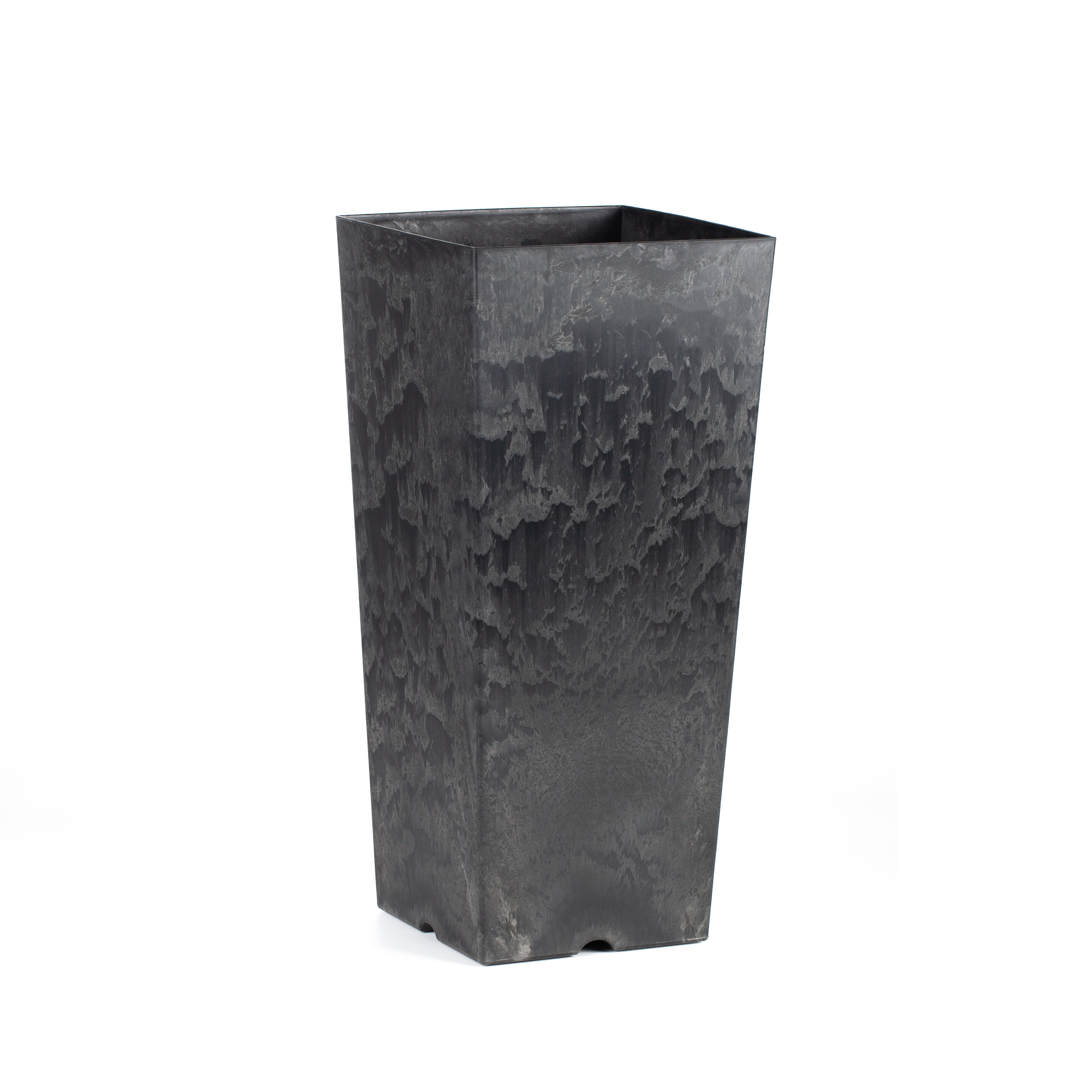
Fiber clay represents a highly advanced composite material blending fiberglass resin with natural clay and stone powders. This innovative combination yields a product possessing the luxurious appearance of carved stone at a fraction of the actual weight. Evaluating a specific industry standard helps clarify these material benefits. Consider the specifications of an 8-Inch EB Square Tall Stone Look Modern Planter Pot. This unit utilizes advanced fiber clay construction to achieve the architectural gravitas of poured concrete while drastically reducing the structural load. A square tall profile maximizes soil depth for deep-rooting species. It remains highly resistant to impact and severe weathering, making it an optimal choice for commercial spaces demanding durability alongside elegant aesthetics.
Terracotta and unglazed ceramics remain classic choices favored for their natural porosity. Earthy materials breathe. They allow air and moisture to pass freely through the container walls. This mechanical trait suits species requiring dry soil conditions perfectly. Cacti, succulents, and Mediterranean herbs thrive here. This porosity means greenery requires more frequent watering. Traditional terracotta remains highly susceptible to frost damage. Water freezing inside the porous walls shatters the pot. Reserve these materials strictly for indoor use or mild climates.
Fiberglass and high-density resin serve as industry standards for ultra-modern environments and rooftop gardens facing strict weight restrictions. These materials are incredibly lightweight, completely frost-resistant, and non-porous. They excel at housing water-loving tropicals because they retain internal moisture. Manufacturers mold fiberglass into sleek shapes and apply high-gloss automotive paints. This provides a pristine contemporary look requiring minimal maintenance.
Purchasing the wrong size based purely on visual preference remains a common consumer failure point. A small pot strangles the root system. A massive container retains excessive moisture and acts as a catalyst for rapid root rot.
Horticultural science relies heavily on volumetric management. Upgrading plant housing requires precise measurements. The new container must measure exactly one to two inches wider in diameter than the current nursery pot for tabletop plants. Floor plants safely tolerate a two to four-inch diameter increase. Placing a small root ball into a massive volume of soil prevents roots from absorbing moisture fast enough. The excess soil remains soggy. It cuts off oxygen and promotes deadly fungal growth. Gradual sizing ensures soil dries out at a healthy, predictable rate.
Internal dimensions matter immensely because root systems grow in varying patterns. Deep planters structurally support plants with deep taproots like palms or small citrus trees. Tall containers also create visual height in spaces dominated by low furniture. Shallow pans suit succulents and cacti best. Shallow pots prevent the dangerous accumulation of wet soil at the bottom. This remains critical for desert-native species.
Grouping multiple species together in a single large container transforms sizing into an exercise in volume management. The pot must accommodate all root systems without immediate overcrowding. Landscape design relies on the Thriller, Filler, and Spiller method. You need a tall focal plant, medium-height massing plants, and trailing vines. Executing this correctly requires a container diameter of at least 14 to 18 inches. This volume provides adequate soil nutrition for the entire micro-ecosystem.
Analyzing recent market reports reveals a definitive shift in commercial and residential specification behavior. Architects, interior designers, and homeowners are rapidly moving away from disposable single-season plastics. The industry is witnessing a massive surge in demand for sustainable biophilic design elements. Buyers prioritize advanced composite materials offering commercial-grade weather resistance without sacrificing sleek minimalist aesthetics. This trend underscores a broader movement. Plant containers serve as integral long-term architectural investments bridging the built environment and the natural world.
Treat container shapes, colors, and textures with the same meticulous consideration as selecting high-end furniture. Scene-based styling ensures horticultural choices seamlessly complement the surrounding architecture.
Commercial environments project professionalism, cleanliness, and subtle luxury. Tall geometric shapes like squares or rectangles perform best here. A sleek Modern Planter Pot for Hotel Lobby applications acts as a structural pillar. It draws the eye upward and makes high ceilings feel expansive. Uniformity prevents visual clutter. Use identical shapes in neutral color palettes like anthracite, charcoal, or natural stone to add organic life to sterile corporate environments.
Oversized pots act as focal points or natural room dividers in outdoor spaces. A row of wide rectangular trough planters instantly separates a dining area from a lounging zone without expensive permanent walls. Large bold containers house ornamental grasses or bamboo to create gentle movement and privacy. Contemporary backyards rely on structured placement rather than chaotic overgrown garden beds.
Residential containers must harmonize with existing decor trends. Smooth white or matte black cylindrical pots blend seamlessly into minimalist Scandinavian designs. Stone-look or concrete finishes provide excellent textural contrast for industrial aesthetics. Pair these containers near ambient lighting sources like floor uplights. This casts dramatic architectural shadows through the foliage during the evening.
Mechanical features dictate everyday usability. Overlooking functional elements quickly leads to property damage or dead foliage.
Proper drainage acts as the most critical mechanical feature. Unobstructed drainage holes are strictly non-negotiable for outdoor use. Heavy rain quickly floods a sealed pot and drowns the roots. Indoor applications offer flexible solutions to protect hardwood floors. Place a pot with a drainage hole over a precisely fitted waterproof saucer. Many professionals prefer the drop-in method. Keep the plant in its plastic nursery pot. Drop it into a decorative hole-free outer shell. Remove the nursery pot to water it in the sink, let it drain completely, and return it to the decorative housing.
Fully saturated soil carries immense weight. A large potted floor plant easily exceeds 100 pounds. Weight becomes a primary objection for users who frequently rearrange furniture or transition plants indoors during winter. Prioritize lightweight tall stone look modern planter pots crafted from advanced composites. Purchase hidden rolling caddies that sit discreetly beneath the container to allow effortless mobility without scratching delicate surfaces.
Containers living on an outdoor patio face intense environmental degradation. Cheap plastics become brittle and shatter. Vibrant colors bleach into dull pastels under relentless sun exposure. Always verify manufacturer specifications for explicit UV-resistant and frost-proof ratings. High-quality outdoor containers receive UV inhibitor treatments during the molding process. This ensures structural integrity and color saturation remain intact through freezing winters and blistering summers.
Purchasing a beautiful container establishes a foundation. Utilizing professional styling techniques dramatically alters the perception and flow of a space.
Interior designers frequently rely on the Rule of Three. The human brain naturally finds asymmetrical odd-numbered groupings more visually interesting than even numbers. Cluster three pots of the same material varying in heights and widths. This creates a dynamic layered display. It turns an empty corner into a curated indoor garden.
Strict symmetry serves as the golden rule for entryways. Frame a front door or a commercial elevator bank with two identical tall planters. This projects immediate elegance and order. Architectural framing draws the eye directly toward the entrance. It creates a welcoming yet highly structured transition into the interior space.
Play with bold contrasts. Pair a plant featuring highly glossy smooth leaves with a rough textured stone-look container. Place a plant with fuzzy matte foliage in a sleek high-gloss fiberglass container. Deliberate textural juxtaposition highlights the unique characteristics of both the botanical specimen and the vessel.
Finding a reliable supplier that perfectly balances material science with aesthetic design secures a lasting investment. Look for brands prioritizing advanced composites, thorough weather testing, and structural warranties during vendor evaluation.
Selecting a commercial-grade fiber clay unit offers exceptional versatility. These premium products deliver the visual gravitas of real stone while remaining highly resistant to environmental stress. They serve perfectly as structural accents in high-traffic commercial zones or refined focal points in elegant home interiors. Always review shipping policies and durability guarantees to ensure you receive authentic weather-rated materials.
Specifying the perfect housing for greenery requires a strict balance of reliable materials, accurate volumetric sizing, and scene-appropriate aesthetics. A thoughtfully engineered modern container ensures long-term root health while serving as a lasting architectural investment. Prioritize proper drainage mechanics, appropriate proportions, and durable composites to seamlessly integrate nature into the built environment. Evaluate your spatial requirements carefully. Visit https://www.hjpots.com to explore premium vessels that allow your botanical assets and interior design to truly flourish.
Yes. Adequate drainage remains absolutely essential to prevent water accumulation and subsequent root rot. Outdoor pots must have open holes. Indoor applications allow for decorative pots with pre-drilled holes placed over waterproof saucers or utilizing the drop-in cachepot method.
Fiber clay, fiberglass, and corten steel stand as the most superior materials for outdoor environments. They provide high structural durability and extreme weather resistance against harsh UV rays and freezing frost. Advanced composites weigh significantly less than solid concrete, making them easier to manage.
Horticulturists highly discourage this practice. Placing a small root system into a massive volume of excess soil causes the dirt to retain far more water than the plant can effectively absorb. Prolonged moisture exposure consistently leads to anaerobic soil conditions and fatal root rot. Always size up by only one to two inches in diameter.
Advanced composite planters require minimal maintenance. Wipe the exterior surfaces down with a damp microfiber cloth and a mild non-abrasive soap solution. This safely removes accumulated dust and hard water spots without degrading the protective UV finish or the structural integrity.
When manufactured with high-quality resins and UV inhibitors, commercial-grade fiber clay planters easily last 10 to 15 years or more in harsh outdoor environments. They resist the cracking and flaking commonly associated with traditional terracotta or cheap plastics.
A standard planter features drainage holes at the bottom and is designed for direct soil planting. A cachepot is a decorative, watertight outer vessel with no drainage holes. Cachepots are designed to hold a plant that remains inside its original plastic nursery pot, preventing water from leaking onto indoor surfaces.


