

close
Choose Your Site
Global
Social Media
Views: 0 Author: Site Editor Publish Time: 2026-09-30 Origin: Site


Picture this scenario. You bring home a vibrant, beautiful new houseplant. You carefully place it in a stunning new vessel. Within just a few weeks, it mysteriously begins to wilt. Why does this happen?
While it is incredibly tempting to select containers based purely on how they complement your living room decor, choosing the wrong plant pots is frequently the hidden culprit behind a plant's rapid decline. Aesthetics certainly matter. However, establishing a solid foundation for proper root health remains the most crucial element of indoor gardening.
In this comprehensive engineering and styling guide, we will explore the delicate balance between structural function and interior style. You will learn the most prevalent cultivation mistakes and discover how to match materials to your specific watering habits. Most importantly, you will find out why selecting the right decorative planter pot can completely transform your botanical displays from struggling to thriving.
Drainage is Non-Negotiable: The most significant error when selecting plant vessels is ignoring fluid drainage. Stagnant water acts as the primary catalyst for root rot and inevitable plant mortality.
Size Dictates Survival: Rapidly upsizing your container overwhelms a fragile root system with excess moisture, leading directly to soil suffocation.
Material Impacts Care: Different structural compositions dictate entirely distinct watering frequencies and soil aeration levels.
The Cachepot Method: You can safely utilize stylish vessels lacking drainage holes by retaining the plant in its original plastic nursery container.
Top Balcony Pick: Lightweight, ultraviolet-resistant polypropylene containers represent the optimal engineering choice for modern, weather-exposed outdoor environments.
When integrating greenery into a curated interior or exterior space, it is remarkably easy to view a container merely as an extension of your home decor. From a strict horticultural perspective, however, the vessel serves as the plant's complete micro-environment. The container you select dictates the physical boundaries of the root system. It heavily influences the temperature of the soil. Furthermore, it directly controls the moisture retention capacity of the growing medium.
Healthy botanical roots require a highly delicate balance of water and oxygen. The shape, overall depth, and material composition of your plant pots determine how effectively oxygen permeates the soil profile. Roots respire. They actively consume oxygen and release carbon dioxide. Restricting airflow through non-porous materials or improper dimensions causes the soil to become anaerobic. This suffocates the root system, halting nutrient uptake and stunting new growth entirely.
Effective moisture management forms the absolute foundation of plant care. A meticulously designed container facilitates proper water distribution, ensuring that roots remain hydrated rather than submerged. Mitigating the risk of waterlogging is critical. Stagnant water pooling at the base of a container serves as the primary environmental trigger for aggressive fungal pathogens.
Even seasoned indoor gardeners occasionally fall victim to aesthetic temptations that ultimately compromise plant health. Avoiding these empirical missteps is essential for long-term cultivation success.
Planting directly into a decorative container that lacks drainage holes is arguably the most detrimental mistake in container gardening. Without an exit point for runoff, excess water accumulates at the bottom, creating a perched water table. This saturated, muddy zone displaces vital oxygen, leading directly to root rot. Once rot sets in, the roots turn mushy and black, rendering them incapable of absorbing moisture. Ironically, a plant suffering from this condition often displays symptoms of severe dehydration, which prompts well-meaning owners to water it even more.
The concept of over-potting occurs when a juvenile plant is placed into a disproportionately massive container. While it might seem logical to give roots ample room to stretch out, excess potting mix acts like a giant sponge. A small root system simply cannot absorb the sheer volume of water held by the surrounding soil. Consequently, the growing medium remains wet for weeks, suffocating the plant. Conversely, under-potting restricts expansion and causes the soil to dry out too rapidly.
Treating all plant pots with a standardized, rigid watering schedule is a fundamental error. The material of the container actively interacts with the soil moisture inside it. Porous materials wick moisture away from the soil, allowing it to evaporate through the walls. In contrast, non-porous materials like plastic or heavily glazed ceramics trap moisture inside, forcing evaporation to occur solely at the top surface. Failing to adjust your watering frequency based on these material differences frequently leads to unintentional overwatering.
Current interior design trends frequently feature narrow-necked, geometric, or uniquely shaped vessels. While visually striking on a shelf, planting directly into a container with an opening narrower than its base creates a severe logistical nightmare. As the root system develops and fills the interior volume, the plant becomes physically trapped. Extracting a rootbound plant from a tapered vase usually ends with either aggressively severing the root system or shattering the expensive container itself.
The physical weight of the container is a critical yet frequently overlooked factor. This is particularly true for balcony setups, floating shelves, or suspended hangers. Heavy stoneware can easily exceed the structural load limits of standard shelving once filled with wet soil and a mature plant. Additionally, heavy pots are incredibly difficult to rotate for even light exposure. They also complicate the weekly chore of moving plants to a sink or shower for deep watering.
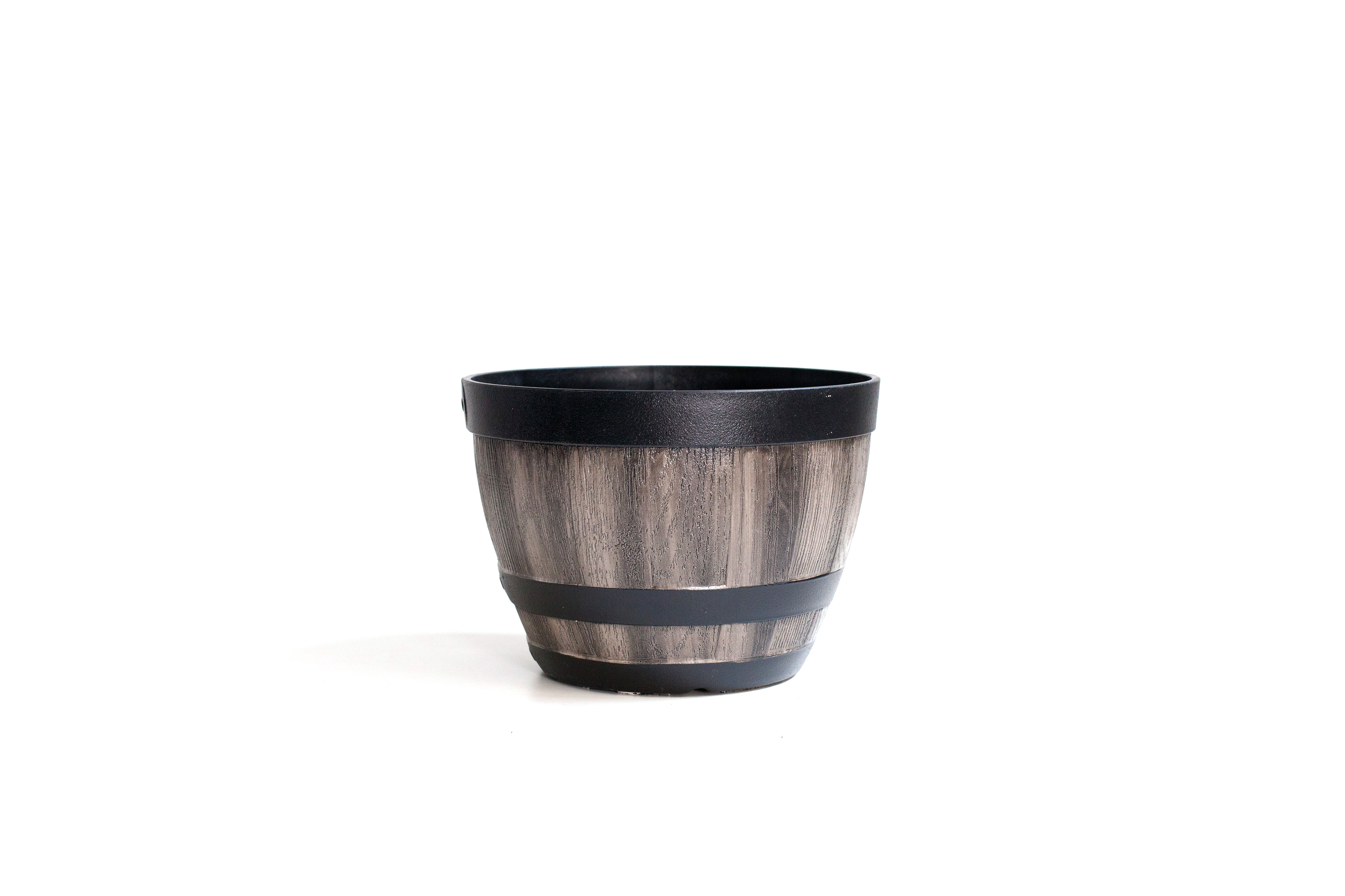
Recent industry analyses highlight a significant shift in consumer preferences toward sustainable, highly durable, and lightweight materials. Traditional ceramics and heavy stoneware once dominated the market. Today, modern urban gardeners are increasingly opting for high-grade polypropylene and eco-friendly composites.
This transition is largely driven by the rising popularity of balcony and vertical gardening in urban apartments. In these spaces, structural weight limits and weather resistance are paramount. Consequently, manufacturers are innovating rapidly. They are producing advanced polymer vessels that perfectly mimic the premium, matte finish of stoneware without the associated fragility. This engineering evolution allows plant enthusiasts to achieve high-end aesthetics while adhering to strict structural safety standards.
Selecting the appropriate container requires aligning the material and design with the specific environmental conditions of your space. Below are objective engineering recommendations tailored to functional requirements and modern aesthetics.
Balcony environments present highly specific challenges. These include high wind exposure, intense ultraviolet radiation, and strict weight restrictions. For these modern outdoor spaces, polypropylene plastic proves structurally superior to traditional materials. Polypropylene planters are exceptionally weather-resistant. They will not become brittle or fade under direct sunlight, nor will they crack during unexpected freezing temperatures.
For a tailored solution that balances rugged durability with a sleek, contemporary aesthetic, the 8-inch PP smooth minimalist decorative planter pot stands out as an exceptional choice. The 8-inch diameter hits the exact sweet spot for transitioning medium-sized houseplants to outdoor environments. Its refined, smooth finish mimics the premium look of ceramic without the associated weight or fragility, making it highly practical for elevated living spaces.
For interior environments where weight limits are not a primary concern, glazed ceramic containers offer unmatched stability. Because ceramic is inherently heavy, it provides a low center of gravity. This is an essential engineering feature when stabilizing tall, top-heavy indoor trees. The impermeable glazed finish prevents moisture from seeping through the walls, protecting your hardwood floors from water rings.
Individuals who tend to show their plants a little too much love with the watering can benefit greatly from the physical properties of unglazed clay. Terracotta facilitates capillary action, pulling excess moisture from the soil and allowing it to breathe. It is the scientifically sound choice for drought-tolerant species, which demand sharp drainage to thrive.
Understanding the physics of your chosen material is the first step in mastering plant care. The table below outlines the core functional differences between popular planter materials, helping you match the vessel to your specific horticultural habits.
Material Type | Porosity & Moisture Retention | Structural Weight & Durability | Best Suited Application |
|---|---|---|---|
Terracotta Unglazed | High porosity. Soil dries out very quickly through wall evaporation. | Heavy. Highly fragile and prone to cracking upon impact. | Succulents, cacti, herbs, and chronic over-waterers. |
Polypropylene Plastic | Non-porous. Retains soil moisture efficiently and consistently. | Ultra-lightweight. Shatterproof and highly ultraviolet-resistant. | Moisture-loving plants, balconies, and hanging architectural displays. |
Glazed Ceramic | Non-porous. Retains moisture similarly to industrial plastics. | Very heavy. Sturdy but can chip or shatter upon hard impact. | Large, top-heavy indoor trees and statement floor decor. |
Selecting the appropriate dimensions for your containers is a critical step that directly influences biological health. While it might seem generous to give a growing plant plenty of room to expand, botanical science dictates a much more measured approach.
Horticultural experts universally recommend the two-inch rule when upgrading your plant's home. This guideline dictates that you should only increase the diameter of your container by one to two inches at a time. For instance, if your plant is currently rootbound in a 6-inch nursery container, its next home should strictly be an 8-inch pot. This incremental increase ensures that new roots have fresh soil to explore without being overwhelmed by a massive, soggy zone of waterlogged potting mix.
Not all root systems develop in the same manner. Succulents and certain epiphytes develop shallow, widespread root networks designed to capture brief surface rainfall. These specific species require wider, shallower containers. Placing a shallow-rooted succulent in a deep, narrow cylinder guarantees that the bottom half of the soil will remain perpetually wet. Conversely, plants with aggressive vertical taproots require taller planters to ensure adequate structural stability.
When purchasing a decorative planter pot for balcony or indoor use purely for aesthetic purposes, accurate measurement is essential. You must measure the inner diameter of the decorative vessel, not the outer edge. To ensure a seamless fit, the inner diameter of your chosen outer shell should be at least half an inch wider than the top rim of your plastic nursery pot. This slight gap allows for effortless insertion and removal without creating a frustrating vacuum seal.
One of the most effective strategies for maintaining indoor gardens is the cachepot method. Originating from the French word cacher, which translates to hiding, a cachepot is a decorative receptacle used specifically to conceal a plain, functional plant container. This method allows you to enjoy seamless interior design without compromising strict horticultural drainage requirements.
Implementing this strategy requires a few simple but non-negotiable steps. First, never remove the plant from its original plastic nursery pot. Place that thin plastic pot directly inside the premium decorative planter pot. When it is time to water, physically lift the inner nursery pot out of the outer shell. Take the plant to a sink or outdoor area. Saturate it thoroughly until water flows freely from the bottom. Allow it to drain completely for about twenty minutes before returning it to the decorative vessel.
Beyond entirely preventing root rot, this system offers significant practical advantages. It protects your furniture from water damage. It keeps heavy outer pots free from hard water stains. Finally, it allows for effortless seasonal redecorating without subjecting the plant to the shock of repotting.
Integrating botany with interior design requires more than simply placing a green plant in an empty corner. The vessels you choose act as the bridge between raw nature and your home's architecture. By applying fundamental design principles, you can elevate a random assortment of houseplants into a cohesive, intentional display.
A foundational rule in interior styling is the rule of odds. This principle states that items grouped in odd numbers are more visually appealing to the human eye. Even numbers tend to create rigid symmetry, which the brain processes quickly and dismisses. Odd numbers create dynamic tension. When styling a shelf, arrange your containers in clusters of three, ensuring they share a unifying element like color or material, while varying their sizes.
Visual interest relies heavily on contrast. If all your foliage sits at the exact same level, the display feels flat. Introduce vertical variation by utilizing wooden plant stands or overturned sturdy bowls to create a tiered canopy effect. Texture plays an equally vital role. Pairing the smooth, glossy leaves of a tropical plant with a rough, unglazed terracotta cylinder creates immediate tactile interest.
The hue of your containers should intentionally interact with both the foliage and the room's broader decor. To make a specific plant stand out as a focal point, choose a high-contrast color. A crisp matte white or deep black minimalist pot makes dark, dramatic greens appear incredibly vibrant. Alternatively, for a calming atmosphere, utilize an analogous color scheme featuring muted earth tones like olive green, warm beige, and rust.
Finding the perfect home for your houseplants is a rewarding process that requires balancing biological necessities with your personal design aesthetic. By prioritizing proper drainage, adhering to strict sizing rules, and matching container materials to your unique watering habits, you set the stage for vigorous, long-term growth.
Remember that you do not have to sacrifice style for plant health. Utilizing the cachepot method or investing in modern, lightweight polypropylene options allows you to elevate your space safely and beautifully. Ready to upgrade your indoor or outdoor garden with engineered perfection? Explore the premium collection of weather-resistant, minimalist vessels at HJ Pots. By choosing the right structural environment, your indoor jungle will undoubtedly thrive for years to come.
Yes, the actual vessel holding the potting soil must have drainage holes to ensure plant survival. Without them, excess water pools at the bottom, suffocating roots and encouraging harmful bacterial growth. However, you can safely use an outer decorative vessel without holes if you employ the cachepot method. By keeping the plant in its original plastic nursery pot and simply resting it inside the decorative outer shell, you can remove the plant for watering, let it drain completely, and return it without ever risking root rot.
For outdoor and balcony environments, polypropylene or high-quality resin containers are generally the superior choice. Unlike heavy ceramics or fragile terracotta, polymer materials are exceptionally lightweight, making them safe for balcony shelves and incredibly easy to move. Furthermore, high-quality plastic is ultraviolet-resistant, meaning it will not fade or become brittle under direct sunlight. It also withstands temperature fluctuations, ensuring it will not shatter if accidentally blown over by strong winds.
As a general horticultural guideline, you should evaluate your plants for repotting every twelve to eighteen months. However, elapsed time is much less important than physical biological indicators. You should upgrade the container size when you actively observe roots protruding from the bottom drainage holes, roots tightly circling the top surface of the soil, or if water rushes instantly through the pot without absorbing. When upgrading, always adhere to the two-inch rule to prevent moisture overload.
Yes, modifying a decorative container to include drainage is entirely possible, though the difficulty depends heavily on the material. Plastic, resin, and polypropylene pots are very easy to drill using a standard wood or plastic drill bit. For ceramic, glazed stoneware, or terracotta, you must use a specialized masonry or diamond-tipped drill bit. To avoid cracking the vessel, place a piece of masking tape over the spot you intend to drill to provide traction, apply gentle and consistent downward pressure, and use water to keep the drill bit cool throughout the process.
Maintaining high-grade polymer planters is incredibly straightforward compared to porous materials. For general cleaning, simply wipe the exterior with a soft microfiber cloth and a mild solution of dish soap and warm water. Avoid using highly abrasive scouring pads, as these can scratch the smooth, matte finish. If mineral deposits or hard water stains accumulate near the rim, a quick wipe with a diluted white vinegar solution will dissolve the buildup instantly without degrading the ultraviolet-resistant coating.
This depends entirely on the material composition of the planter. Unglazed terracotta and standard ceramics absorb moisture. If left outside in freezing temperatures, the trapped water expands, causing the pot to crack or shatter completely. However, advanced polypropylene and resin planters are engineered to withstand extreme temperature fluctuations. They do not absorb water, making them entirely frost-proof and safe to leave on your balcony or patio throughout the harsh winter months.


