As a plug trays supplier, I often get asked about the best type of soil for these trays. The right soil is crucial for successful seed germination and healthy plant growth in plug trays. In this blog, I'll explore different types of soil and discuss which ones are most suitable for plug trays.
Understanding Plug Trays
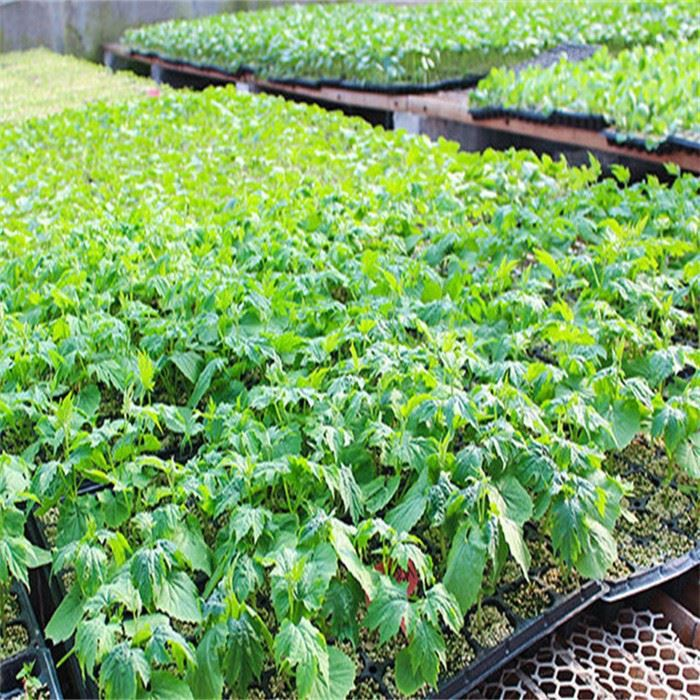
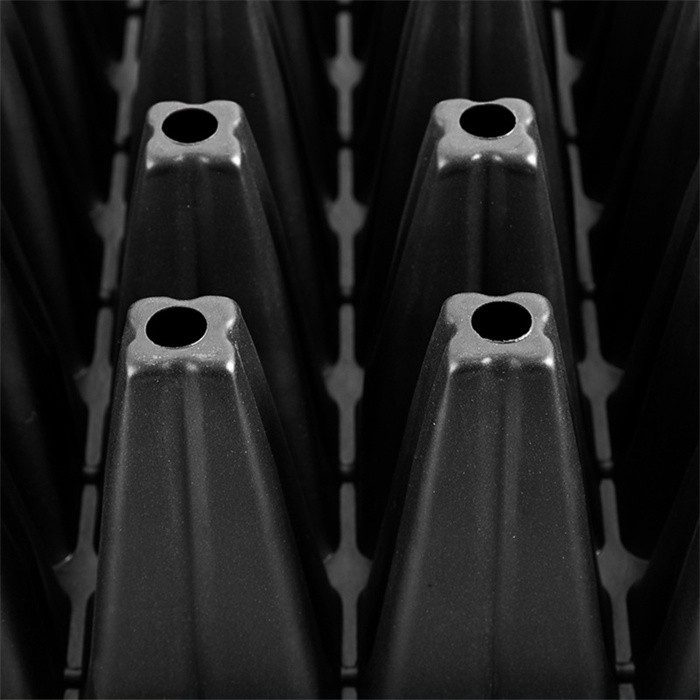
Before delving into soil types, let's briefly understand plug trays. Plug trays are small, multi - celled containers used for starting seeds or growing young plants. They come in various cell counts, such as the 24 Holes Seed Tray and the 128 Seed Tray. The small cells in plug trays require a soil that can provide adequate nutrients, moisture, and aeration to the seedlings.
Key Characteristics of Ideal Soil for Plug Trays
- Good Drainage: Since the cells in plug trays are small, excess water can quickly lead to waterlogging and root rot. The soil should drain well to prevent these issues.
- Aeration: Adequate air circulation around the roots is essential for healthy growth. A soil with good aeration allows oxygen to reach the roots and carbon dioxide to escape.
- Nutrient - Rich: Seedlings need a supply of essential nutrients to grow strong and healthy. The soil should contain a balanced amount of nutrients, or it should be easy to supplement with fertilizers.
- Lightweight: A lightweight soil makes it easier for the roots to penetrate and grow. It also reduces the weight of the plug trays, which can be beneficial for handling and transportation.
- pH Balance: Different plants have different pH preferences. Generally, a slightly acidic to neutral pH (around 6.0 - 7.0) is suitable for most seedlings.
Types of Soil for Plug Trays
Peat - Based Soil
Peat - based soil is one of the most popular choices for plug trays. It is made from decomposed sphagnum moss and has several advantages:
- Good Water Retention: Peat can hold a large amount of water, which is beneficial for keeping the seedlings hydrated. However, it also has good drainage properties when properly formulated, preventing waterlogging.
- Aeration: The fibrous nature of peat provides good aeration for the roots.
- Nutrient - Holding Capacity: Peat can hold and release nutrients slowly, providing a steady supply to the seedlings.
- pH: Peat is slightly acidic, which is suitable for many plants. However, it may need to be adjusted for plants that prefer a more neutral pH.
One drawback of peat - based soil is that it is a non - renewable resource. The extraction of peat can have negative environmental impacts, such as habitat destruction and carbon emissions.
Coir - Based Soil
Coir is made from the fibrous husk of coconuts and is an increasingly popular alternative to peat - based soil:
- Sustainable: Coir is a renewable resource, making it a more environmentally friendly option.
- Water Retention and Drainage: Coir has excellent water - holding capacity and also drains well. It can absorb up to 10 times its weight in water.
- Aeration: Similar to peat, coir provides good aeration for the roots.
- pH: Coir has a near - neutral pH, which is suitable for a wide range of plants.
However, coir may have a high salt content, especially if it is not properly washed. High salt levels can damage the seedlings, so it is important to use high - quality, washed coir.
Compost - Based Soil
Compost is made from decomposed organic matter, such as leaves, grass clippings, and food scraps. Compost - based soil can be a great choice for plug trays:
- Nutrient - Rich: Compost is full of essential nutrients, including nitrogen, phosphorus, and potassium, as well as micronutrients.
- Soil Structure: Compost helps improve the soil structure, providing good aeration and drainage.
- Beneficial Microorganisms: Compost contains beneficial bacteria and fungi that can help protect the seedlings from diseases and improve nutrient uptake.
The main challenge with compost - based soil is ensuring that it is well - decomposed and free of weed seeds and pathogens. It may also need to be mixed with other materials, such as perlite or vermiculite, to improve its drainage and aeration properties.
Perlite and Vermiculite - Amended Soil
Perlite and vermiculite are often added to soil mixes to improve their physical properties:
- Perlite: Perlite is a lightweight, volcanic rock that has been heated and expanded. It improves aeration and drainage in the soil. It also helps to keep the soil loose, making it easier for the roots to grow.
- Vermiculite: Vermiculite is a mineral that has been heated and expanded. It has excellent water - holding capacity and can also improve aeration. Vermiculite can also hold and release nutrients, providing a boost to the seedlings.
A soil mix that combines perlite or vermiculite with peat, coir, or compost can provide the best of both worlds in terms of water retention, aeration, and nutrient availability.
Choosing the Right Soil for Your Plants
The choice of soil also depends on the type of plants you are growing in the plug trays. For example:
- Herbs: Herbs generally prefer a well - drained, slightly acidic soil. A peat - based or coir - based soil with added perlite would be a good choice.
- Flowers: Different flowers have different soil requirements. Some flowers, like petunias, prefer a slightly acidic soil with good drainage. Others, like marigolds, can tolerate a wider range of soil conditions.
- Vegetables: Vegetable seedlings need a nutrient - rich soil. A compost - based soil or a soil mix that contains a balanced fertilizer would be suitable.
Testing and Adjusting the Soil
Before using the soil in your plug trays, it is a good idea to test it. You can test the soil's pH, nutrient content, and drainage properties. There are many soil testing kits available on the market that can provide quick and accurate results.
If the soil's pH is not suitable for your plants, you can adjust it. For example, to raise the pH of acidic soil, you can add lime. To lower the pH of alkaline soil, you can add sulfur.
Tips for Using Soil in Plug Trays
- Fill the Trays Properly: Fill the plug tray cells evenly with soil, making sure not to over - compact it. Leave a small space at the top of each cell for watering.
- Moisten the Soil: Before sowing the seeds, moisten the soil thoroughly. Use a fine mist sprayer to avoid disturbing the soil.
- Sow the Seeds Correctly: Follow the seed packet instructions for sowing depth and spacing. After sowing, cover the seeds lightly with soil.
- Water Regularly: Keep the soil moist but not waterlogged. Water from the bottom of the tray to prevent disturbing the seeds or seedlings.
Conclusion
Choosing the right soil for plug trays is essential for successful seed germination and healthy plant growth. Peat - based, coir - based, compost - based soils, and soil mixes amended with perlite or vermiculite all have their advantages and can be suitable depending on your needs and the type of plants you are growing.
As a plug trays supplier, I understand the importance of providing high - quality products and the right information to our customers. Whether you choose the 24 Holes Seed Tray, the 128 Seed Tray, or the Plant Seedling Tray, using the appropriate soil will ensure the best results for your seedlings.
If you have any questions about plug trays or soil selection, or if you are interested in purchasing our plug trays, please feel free to contact us for more information and to discuss your specific requirements. We are here to help you achieve the best results in your gardening or horticultural endeavors.
References
- "The New Organic Grower" by Eliot Coleman
- "Rodale's Encyclopedia of Organic Gardening"
- Various research papers on horticultural soil science from academic journals.


