As a supplier of Flower Pot Trays, I often get asked about the tools needed to make these essential garden accessories. In this blog post, I'll share the necessary tools and a bit about the process, which can help you understand the craftsmanship behind our Flower Pot Tray products.
1. Molding Tools
- Molds: The heart of flower pot tray production is the mold. Depending on the design and size of the tray you want to create, different molds are required. For mass - production, high - quality steel molds are often used. They are durable and can withstand the high pressure and temperature during the manufacturing process. These molds are precisely engineered to ensure that each tray has a consistent shape and size. For example, if you're making a round flower pot tray with a specific diameter and depth, the mold will be customized to those exact measurements.
- Mold Release Agents: To ensure that the flower pot tray can be easily removed from the mold after it's formed, a mold release agent is essential. This is a substance that is applied to the inside of the mold before the raw material is added. It creates a thin, slippery layer that prevents the tray from sticking to the mold. There are various types of mold release agents available, such as silicone - based and wax - based ones. The choice depends on the type of raw material used and the characteristics of the mold.
2. Raw Material Processing Tools
- Extruders: If you're using plastic as the raw material for your flower pot trays, an extruder is a key tool. An extruder heats the plastic pellets until they become molten and then forces the molten plastic through a die. The die gives the plastic its initial shape, which is often a long, continuous sheet. The extruder needs to be carefully calibrated to control the temperature, pressure, and speed of the plastic flow. This ensures that the plastic sheet has a uniform thickness and quality.
- Injection Molding Machines: For more complex and detailed flower pot tray designs, injection molding machines are used. These machines work by injecting molten plastic into the mold under high pressure. The pressure ensures that the plastic fills every corner of the mold, creating a tray with precise details. Injection molding machines are highly automated and can produce a large number of trays in a relatively short time. They also allow for the use of different types of plastics, including recycled plastics, which is an environmentally friendly option.
3. Cutting and Finishing Tools
- Cutting Machines: Once the flower pot trays are formed, they need to be cut to the correct size. Cutting machines, such as saws or laser cutters, are used for this purpose. Saws are suitable for cutting thicker and more rigid materials, while laser cutters offer a more precise and clean cut. Laser cutters can also be used to create intricate patterns or designs on the edges of the trays.
- Sanders and Polishers: To give the flower pot trays a smooth and professional finish, sanders and polishers are used. Sanders remove any rough edges or burrs left after cutting, while polishers give the trays a shiny and attractive appearance. Different grits of sandpaper are used in the sanding process, starting with a coarse grit to remove the major imperfections and then moving on to finer grits for a smoother finish.
4. Quality Control Tools
- Calipers and Micrometers: These tools are used to measure the dimensions of the flower pot trays accurately. Calipers can measure the diameter, thickness, and depth of the trays, while micrometers provide even more precise measurements. By using these tools, we can ensure that each tray meets the specified quality standards. Any trays that do not meet the required dimensions are rejected.
- Visual Inspection Tools: In addition to measuring tools, visual inspection is also an important part of quality control. Magnifying glasses and inspection lights are used to check for surface defects, such as scratches, cracks, or air bubbles. This ensures that the flower pot trays we supply are of the highest quality.
5. Labeling and Packaging Tools
- Labeling Machines: To provide information about the product, such as its size, material, and usage instructions, labeling machines are used. These machines can print labels with high - quality graphics and text and then apply them to the flower pot trays. We also offer Plastic Tag options for more detailed and durable labeling.
- Packaging Machines: Once the trays are labeled, they need to be packaged for shipping. Packaging machines can automatically wrap the trays in plastic film or place them in boxes. This not only protects the trays during transportation but also makes them more presentable for customers.
Our Product Range
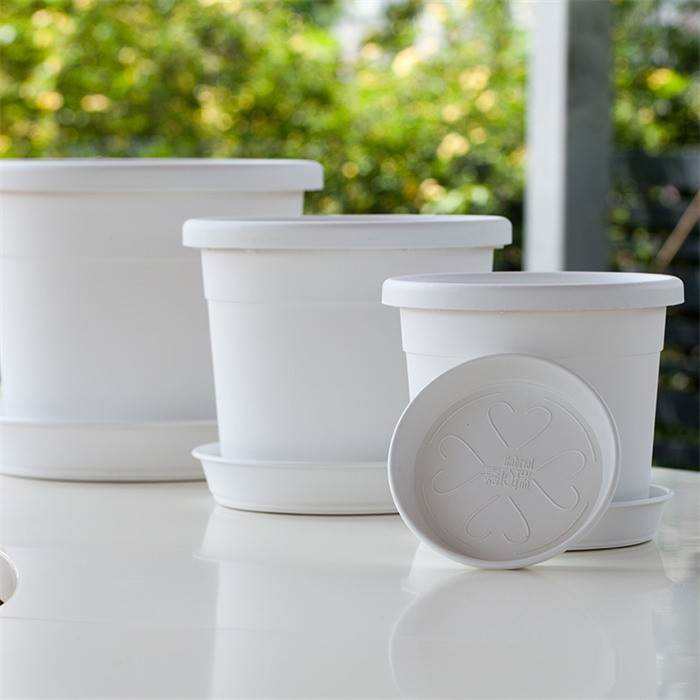
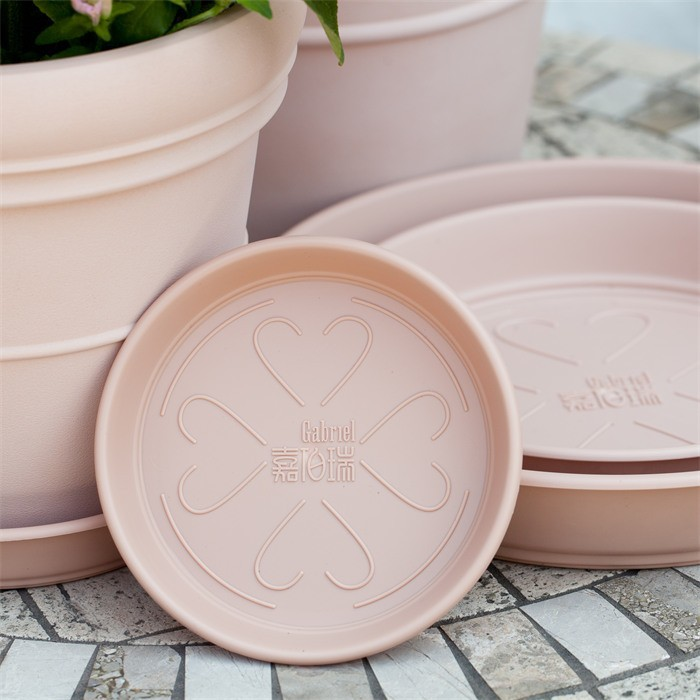
At our company, we offer a wide range of Flower Pot Tray products, including Plastic Plant Saucer. Our trays are made using the latest technology and high - quality materials, ensuring durability and functionality. We have different sizes, shapes, and colors available to meet the diverse needs of our customers. Whether you're a home gardener or a commercial nursery, we have the right flower pot trays for you.
Contact Us for Procurement
If you're interested in purchasing our flower pot trays, we'd love to hear from you. We offer competitive prices, high - quality products, and excellent customer service. Whether you need a small quantity for personal use or a large order for your business, we can accommodate your needs. Please reach out to us to discuss your requirements and start the procurement process. We look forward to working with you to provide the best flower pot trays for your gardening needs.
References
- "Plastic Processing Technology" by John Doe.
- "Molding and Forming of Garden Products" by Jane Smith.


