

close
Choose Your Site
Global
Social Media
Views: 0 Author: Site Editor Publish Time: 2025-12-10 Origin: Site


The pH level of soil in a 45 - gallon grow bag is a crucial factor that significantly impacts plant health and growth. As a supplier of 45 Gallon Grow Bags, I've witnessed firsthand how the right pH can transform a garden from mediocre to magnificent. In this blog, we'll delve into the science behind soil pH, its importance in a 45 - gallon grow bag, and how you can manage it effectively.
Soil pH is a measure of the acidity or alkalinity of the soil, expressed on a scale from 0 to 14. A pH of 7 is considered neutral, values below 7 indicate acidic soil, and values above 7 suggest alkaline soil. Most plants prefer a slightly acidic to neutral pH range, typically between 6.0 and 7.0. However, this can vary widely depending on the species. For instance, blueberries thrive in very acidic soil, with an ideal pH range of 4.0 - 5.0, while asparagus prefers slightly alkaline conditions, around 7.0 - 8.0.
In a 45 - gallon grow bag, the pH level can be influenced by several factors. The type of soil mix used is the primary determinant. If you're using a commercial potting mix, it usually comes pre - adjusted to a near - neutral pH. However, if you create your own mix from materials like peat moss, compost, and perlite, the pH can vary. Peat moss, for example, is quite acidic, while limestone is alkaline.
The water you use to irrigate the plants in the grow bag can also affect the pH. Hard water, which contains high levels of minerals like calcium and magnesium, tends to raise the soil pH over time. Conversely, rainwater is usually slightly acidic and can gradually lower the pH if used consistently.
The pH level of the soil in a 45 - gallon grow bag directly affects nutrient availability. When the pH is within the optimal range for a particular plant, nutrients in the soil can be easily absorbed by the plant roots. For example, at a pH between 6.0 and 7.0, nitrogen, phosphorus, and potassium - the three primary macronutrients required by plants - are readily available. However, if the soil is too acidic or too alkaline, some nutrients may become chemically bound to the soil particles and unavailable to the plants, even if they are present in the soil.
In addition to nutrient availability, soil pH can also impact the activity of beneficial soil microorganisms. These microorganisms play a vital role in breaking down organic matter, releasing nutrients, and protecting plants from diseases. Most soil microorganisms prefer a pH range close to neutral. In extremely acidic or alkaline conditions, their activity can be inhibited, leading to poor soil health and reduced plant growth.
Measuring the pH of soil in a 45 - gallon grow bag is relatively straightforward. You can use either a soil pH test kit or a digital pH meter. A soil pH test kit typically includes a test tube, a color - coded indicator solution, and a comparison chart. To use the kit, you take a sample of soil from different parts of the grow bag, mix it with water in the test tube, add the indicator solution, and then compare the color of the solution to the chart to determine the pH.
A digital pH meter is a more accurate and convenient option. To use a digital pH meter, you simply insert the probe into the soil in the grow bag, making sure it is at a sufficient depth (usually a few inches). The meter will then display the pH reading on its screen. It's important to calibrate the meter regularly according to the manufacturer's instructions to ensure accurate readings.
If the soil pH in your 45 - gallon grow bag is not within the optimal range for your plants, you can adjust it. To lower the pH (make the soil more acidic), you can add materials such as elemental sulfur, aluminum sulfate, or peat moss. Elemental sulfur is a slow - acting option that requires microbial activity to convert it into sulfuric acid, which then lowers the pH. Aluminum sulfate acts more quickly, but it can be more difficult to control the amount added. Peat moss is a natural and gentle way to lower the pH, but it may also need to be replenished periodically as it decomposes.
To raise the pH (make the soil more alkaline), you can add lime. There are two main types of lime: agricultural lime (calcium carbonate) and dolomitic lime (a mixture of calcium carbonate and magnesium carbonate). Dolomitic lime is a good choice if your soil is also deficient in magnesium. When adding lime, it's important to follow the recommended application rates, as over - liming can lead to a pH that is too high, which can also be detrimental to plants.
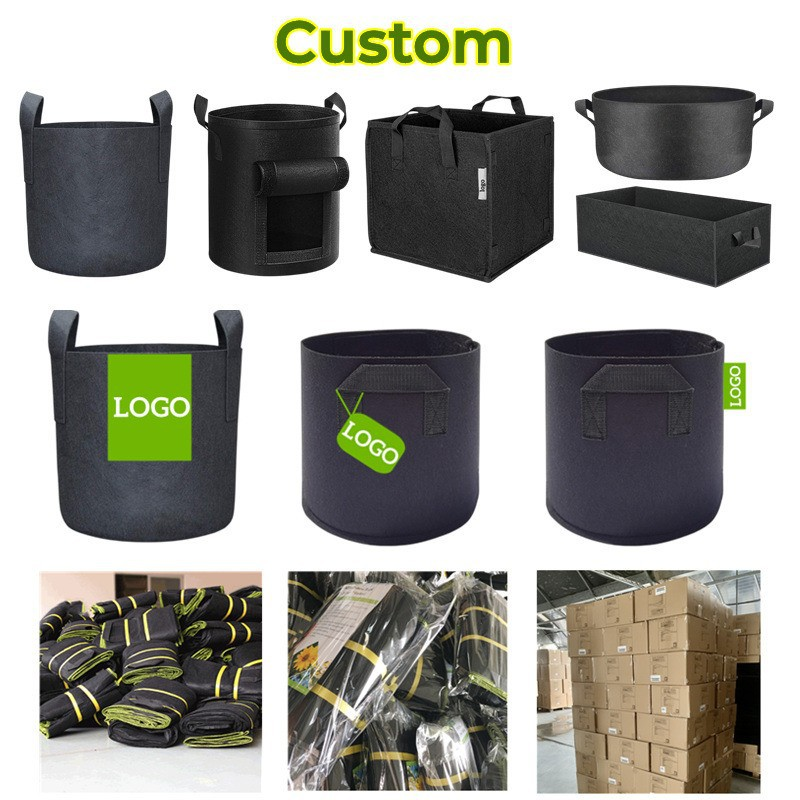
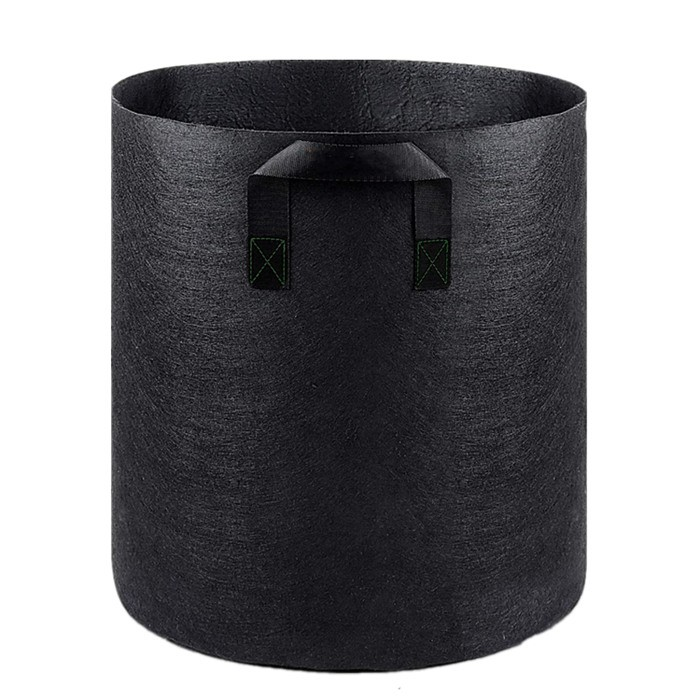
As a supplier of 45 Gallon Grow Bags, we understand the importance of providing a product that supports optimal plant growth. Our grow bags are made from high - quality, breathable fabric that allows for proper aeration and drainage. This not only helps maintain a healthy root environment but also contributes to stable soil pH levels. The breathable fabric allows excess water to drain away, preventing waterlogging, which can cause the soil to become overly acidic due to anaerobic conditions.
In addition to our 45 Gallon Grow Bags, we also offer a range of other grow bags to suit different needs. If you're looking for a smaller option, our 20 Gallon Grow Bag is perfect for growing herbs or small vegetables on a balcony or patio. For larger plants or more extensive gardening projects, our 80 Gallon Grow Bag provides ample space for root development. And if you're in the nursery business, our Nursery Grow Bag is designed to meet the specific requirements of plant propagation and cultivation.
The pH level of soil in a 45 - gallon grow bag is a key factor that can make or break your gardening success. By understanding the science behind soil pH, measuring it regularly, and adjusting it as needed, you can create an optimal growing environment for your plants. Our 45 Gallon Grow Bags are designed to support this process, providing a stable and healthy home for your plants.
If you're interested in our grow bags or have any questions about soil pH and growing in grow bags, we'd love to hear from you. Whether you're a home gardener, a commercial grower, or a nursery owner, we have the products and expertise to help you achieve your gardening goals. Contact us for purchasing and let's start growing together!
Brady, N. C., & Weil, R. R. (2002). The nature and properties of soils (13th ed.). Prentice Hall.
Marschner, P. (2012). Mineral nutrition of higher plants (3rd ed.). Academic Press.


