Stacking fabric grow bags is a practical and efficient way to manage space in your gardening or nursery operations. As a fabric grow bags supplier, I've seen firsthand how proper stacking techniques can enhance the usability and longevity of these bags. In this blog post, I'll share some valuable insights on how to stack fabric grow bags effectively.
Understanding the Basics of Fabric Grow Bags
Before delving into the stacking process, it's essential to understand the nature of fabric grow bags. These bags are typically made from porous materials that allow for air circulation and water drainage. They come in various sizes, such as the 65 Gallon Grow Bag, 30 Gallon Grow Bag, and Nursery Grow Bag. Each size has its own characteristics and uses, and the stacking method may vary depending on the size and quantity of bags you have.
Preparing the Grow Bags for Stacking
- Cleaning: Ensure that the grow bags are clean before stacking. Remove any dirt, debris, or plant residues from the bags. This not only helps in maintaining the quality of the bags but also prevents the spread of diseases and pests.
- Drying: Make sure the grow bags are completely dry. Moisture can lead to mold and mildew growth, which can damage the bags and the plants inside. If the bags are wet, allow them to dry thoroughly in a well - ventilated area.
- Inspecting: Check the grow bags for any signs of damage, such as holes, tears, or weak seams. If you find any damaged bags, repair them before stacking or set them aside for replacement.
Stacking Techniques Based on Bag Size
Small - Sized Nursery Grow Bags
Nursery grow bags are usually smaller in size and are used for starting seedlings or growing small plants.
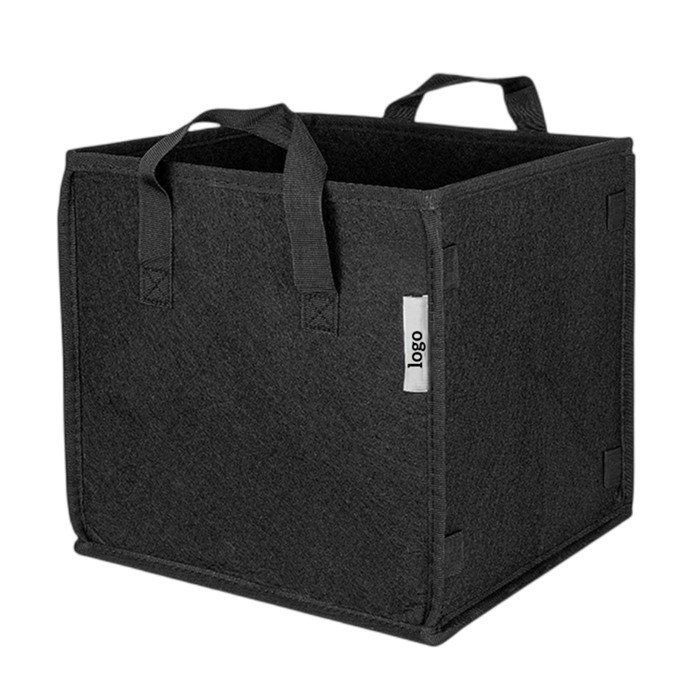
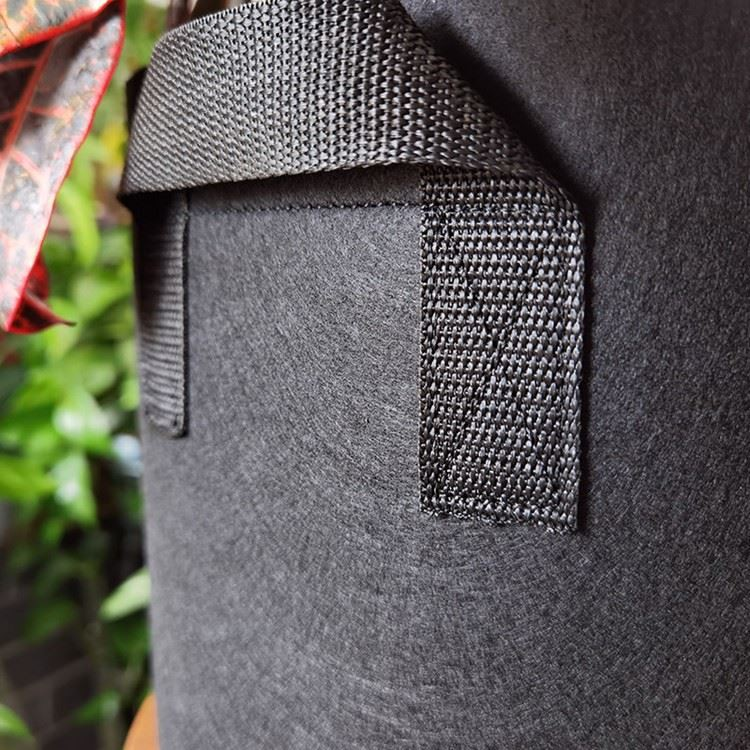
- Single - Layer Stacking: For a small number of nursery grow bags, you can stack them in a single layer. Place the bags side by side on a flat surface, such as a wooden pallet or a plastic tray. This allows for easy access to each bag and ensures good air circulation.
- Multi - Layer Stacking: If you have a large quantity of nursery grow bags, you can stack them in multiple layers. However, be careful not to stack them too high as the bags may topple over. A good rule of thumb is to stack no more than 3 - 4 layers. Place a flat board or a tray between each layer to distribute the weight evenly.
Medium - Sized 30 Gallon Grow Bags
30 - gallon grow bags are suitable for growing medium - sized plants.
- Pyramid Stacking: Start by placing three or four bags in a square or rectangular base. Then, place the next layer of bags on top, reducing the number of bags in each successive layer to form a pyramid shape. This type of stacking provides stability and allows for easy access to the bags at the top.
- Column Stacking: Stack the 30 - gallon grow bags in columns. Make sure the bags are aligned properly to prevent them from tipping over. You can use straps or ties to secure the columns if necessary.
Large - Sized 65 Gallon Grow Bags
65 - gallon grow bags are used for growing large plants or trees.
- Horizontal Stacking: Due to their large size and weight, 65 - gallon grow bags are best stacked horizontally. Place the bags side by side on a sturdy surface, such as a concrete floor or a reinforced pallet. This distributes the weight evenly and reduces the risk of the bags collapsing.
- Limited Vertical Stacking: If you need to stack the 65 - gallon grow bags vertically, limit the stack to two layers. Use a strong base and ensure that the bags are properly aligned. It's advisable to place a protective layer, such as a rubber mat or a thick cardboard, between the two layers to prevent damage.
Considerations for Stacking
- Weight Distribution: When stacking grow bags, pay attention to the weight distribution. Place heavier bags at the bottom of the stack and lighter bags on top. This helps in maintaining the stability of the stack and reduces the risk of the bags collapsing.
- Air Circulation: Good air circulation is crucial for the health of the plants inside the grow bags. Leave some space between the bags to allow air to flow freely. Avoid stacking the bags too tightly, especially in a multi - layer stack.
- Accessibility: Consider how you will access the grow bags once they are stacked. If you need to access the bags frequently, choose a stacking method that allows for easy access to each bag. For example, in a pyramid stack, you can easily reach the bags at the top.
Storage and Maintenance of Stacked Grow Bags
- Location: Store the stacked grow bags in a dry, cool, and well - ventilated area. Avoid storing them in direct sunlight, as prolonged exposure to sunlight can damage the fabric of the bags.
- Protection from Pests: Use pest - control measures to protect the stacked grow bags from pests such as rodents and insects. You can place pest - repellent materials around the stack or use a storage container with a tight - fitting lid.
- Regular Inspection: Periodically inspect the stacked grow bags for any signs of damage, mold, or pest infestation. If you notice any issues, take immediate action to address them.
Benefits of Properly Stacked Grow Bags
- Space Optimization: Stacking grow bags allows you to make the most of the available space in your greenhouse, nursery, or storage area. You can store a large number of bags in a relatively small space.
- Easier Management: A well - stacked arrangement makes it easier to manage the grow bags. You can quickly locate the bags you need, water the plants, and perform other maintenance tasks.
- Longer Bag Lifespan: By following proper stacking techniques, you can extend the lifespan of the grow bags. Reducing the risk of damage and wear and tear ensures that the bags can be used for multiple growing seasons.
Contact for Purchase and Consultation
If you're interested in purchasing high - quality fabric grow bags or need more information on stacking techniques, we're here to help. Our team of experts can provide you with personalized advice based on your specific needs. Whether you're a small - scale gardener or a large - scale nursery operator, we have the right grow bags for you. Reach out to us to start a discussion about your requirements and let's work together to find the best solutions for your gardening and growing needs.
References
- "Gardening with Fabric Grow Bags" - A comprehensive guide on the use and maintenance of fabric grow bags.
- "Best Practices for Stacking and Storing Gardening Supplies" - A resource that provides general guidelines on stacking and storing various gardening items, including grow bags.


