Reviving dying plants in window boxes is not only a rewarding endeavor but also crucial for maintaining the aesthetic appeal of your living space. As a window boxes supplier, I've witnessed firsthand the transformative power of bringing struggling plants back to life. In this blog post, I'll share some practical tips and strategies to help you revive your dying plants and keep them thriving in your window boxes.
Understanding the Causes of Dying Plants
Before you can revive a dying plant, it's essential to understand the underlying causes of its decline. Several factors can contribute to a plant's poor health, including:
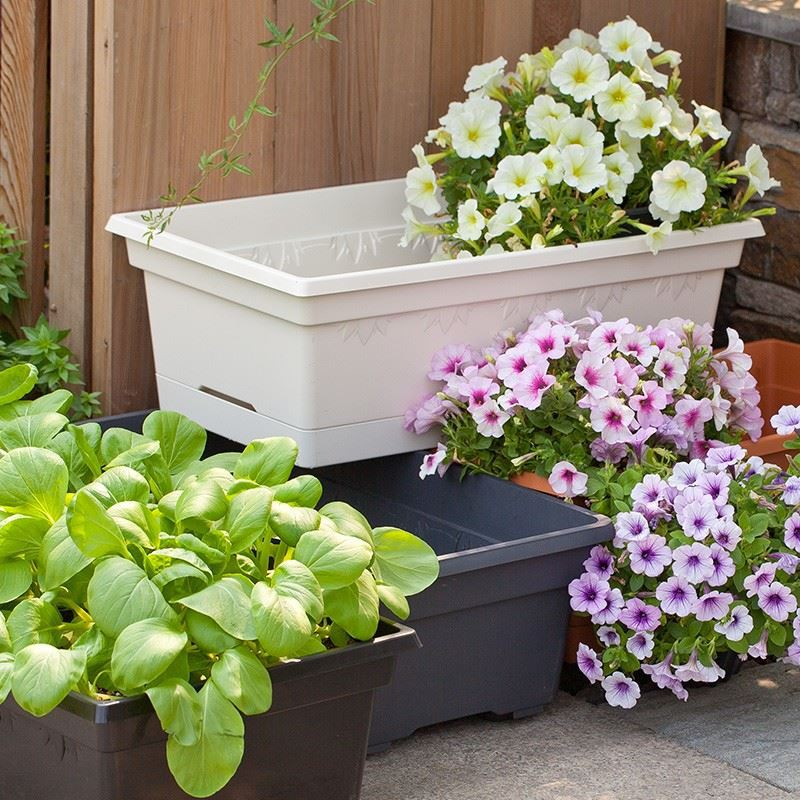
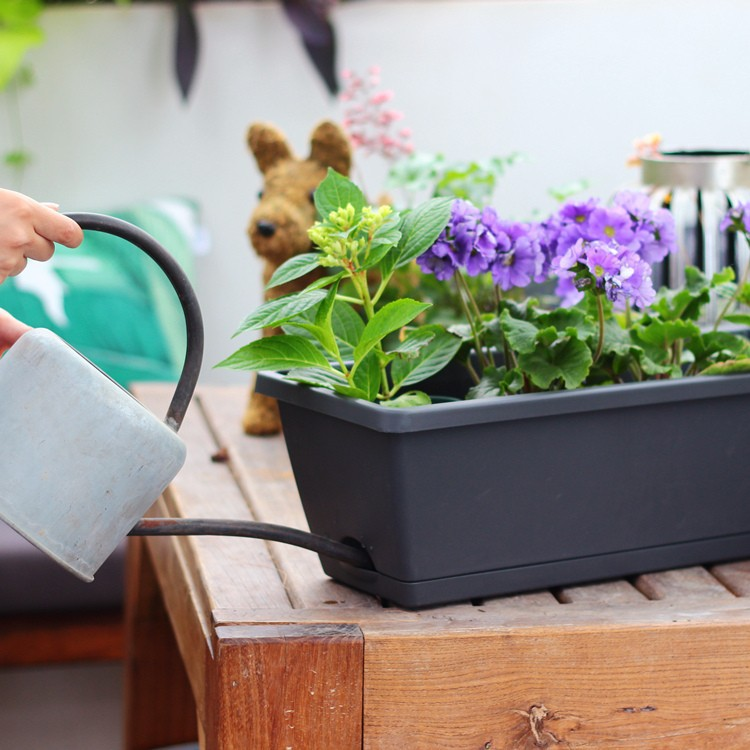
- Overwatering or Underwatering: One of the most common causes of plant death is improper watering. Overwatering can lead to root rot, while underwatering can cause the plant to dry out and wilt.
- Poor Soil Quality: The soil in your window box plays a crucial role in the health of your plants. If the soil is too compacted, lacks nutrients, or has poor drainage, it can stunt the plant's growth and lead to its decline.
- Lack of Sunlight: Most plants require a certain amount of sunlight to thrive. If your window box is located in a shaded area or doesn't receive enough sunlight, the plant may not be able to photosynthesize properly, leading to weak growth and eventual death.
- Pests and Diseases: Insects, fungi, and other pests can damage your plants and spread diseases, causing them to decline. Common pests include aphids, spider mites, and whiteflies, while diseases such as powdery mildew and root rot can also be problematic.
- Extreme Temperatures: Plants are sensitive to temperature changes, and extreme heat or cold can stress them out and cause them to die. If your window box is exposed to direct sunlight for extended periods or is located in an area with fluctuating temperatures, it can affect the plant's health.
Assessing the Condition of Your Plants
Once you've identified the potential causes of your plant's decline, it's time to assess its condition. Look for signs of stress, such as yellowing leaves, wilting, or brown spots. Check the soil moisture level by sticking your finger into the soil up to the second knuckle. If the soil feels dry, the plant may need water. If it feels wet or soggy, the plant may be overwatered.
Inspect the plant for pests and diseases. Look for signs of insects, such as webs, eggs, or holes in the leaves. Check for fungal growth, such as powdery mildew or black spots. If you notice any signs of pests or diseases, take appropriate measures to treat them.
Reviving Dying Plants
Now that you've assessed the condition of your plants and identified the underlying causes of their decline, it's time to take action to revive them. Here are some practical tips and strategies to help you bring your dying plants back to life:
- Adjust the Watering Schedule: If your plant is overwatered, stop watering it immediately and allow the soil to dry out. If it's underwatered, water it thoroughly and make sure the soil is evenly moist. Adjust the watering schedule based on the plant's needs and the environmental conditions.
- Improve the Soil Quality: If the soil in your window box is poor quality, consider replacing it with a high-quality potting mix. Look for a mix that is rich in organic matter, has good drainage, and is specifically formulated for container gardening. You can also add compost or fertilizer to the soil to provide additional nutrients.
- Provide Adequate Sunlight: Most plants require at least six hours of sunlight per day to thrive. If your window box is located in a shaded area, consider moving it to a sunnier location or using artificial lighting to supplement the natural light. Make sure the plant is not exposed to direct sunlight for extended periods, as this can cause it to overheat and dry out.
- Control Pests and Diseases: If you notice any signs of pests or diseases, take appropriate measures to treat them. You can use natural remedies, such as neem oil or insecticidal soap, to control pests. For fungal diseases, you can use a fungicide or remove the affected leaves and branches. Make sure to follow the instructions on the product label carefully.
- Prune the Plant: Pruning can help to remove dead or damaged leaves and branches, promote new growth, and improve the plant's overall appearance. Use a sharp pair of pruning shears to make clean cuts at a 45-degree angle. Make sure to sterilize the pruning shears between cuts to prevent the spread of diseases.
- Repot the Plant: If your plant is root-bound or the soil in the window box is depleted, consider repotting it into a larger container. Choose a container that is one size larger than the current one and has drainage holes at the bottom. Fill the container with a high-quality potting mix and gently remove the plant from the old container. Place the plant in the new container and fill in the gaps with soil. Water the plant thoroughly and place it in a sunny location.
Choosing the Right Window Boxes
In addition to reviving your dying plants, choosing the right window boxes is also important for their long-term health and survival. Here are some factors to consider when choosing window boxes:
- Size: Choose a window box that is large enough to accommodate the plant's root system and allow for growth. Make sure the window box is also deep enough to provide adequate soil volume.
- Material: Window boxes can be made from a variety of materials, including wood, plastic, metal, and ceramic. Each material has its own advantages and disadvantages, so choose one that suits your needs and preferences.
- Drainage: Proper drainage is essential for the health of your plants. Make sure the window box has drainage holes at the bottom to allow excess water to escape. You can also add a layer of gravel or sand to the bottom of the window box to improve drainage.
- Style: Window boxes come in a variety of styles and designs, so choose one that complements the architecture and style of your home. You can also choose a window box that matches the color and texture of your plants.
As a window boxes supplier, I offer a wide range of high-quality window boxes to suit your needs and preferences. Some of our popular products include the Sailing Window Box, the Sailing Long Plastic Flower Pot, and the Designer Long Planter. These window boxes are made from durable materials, have excellent drainage, and come in a variety of sizes and styles.
Conclusion
Reviving dying plants in window boxes requires patience, knowledge, and a little bit of effort. By understanding the causes of plant decline, assessing the condition of your plants, and taking appropriate measures to revive them, you can bring your struggling plants back to life and keep them thriving in your window boxes. Remember to choose the right window boxes, provide adequate sunlight, water, and nutrients, and control pests and diseases. If you have any questions or need further assistance, please don't hesitate to contact me. I'm always happy to help you create a beautiful and healthy garden in your window boxes.
References
- Smith, J. (2020). The Complete Guide to Container Gardening. New York: ABC Publishing.
- Johnson, A. (2019). Gardening for Beginners: Tips and Tricks for a Successful Garden. London: XYZ Press.
- Brown, S. (2018). The Art of Pruning: How to Prune Your Plants for Optimal Growth and Health. Chicago: 123 Books.


