As a supplier of 10 Gallon Grow Bags, I understand that one common issue growers face is the unpleasant smell that can develop in these bags over time. This smell can be a sign of various problems, such as poor ventilation, over - watering, or the growth of mold and bacteria. In this blog, I'll share some effective ways to remove the smell from a 10 Gallon Grow Bag, ensuring a healthy environment for your plants.
Understanding the Causes of Smell in Grow Bags
Before we delve into the solutions, it's crucial to understand what causes the smell in the first place.
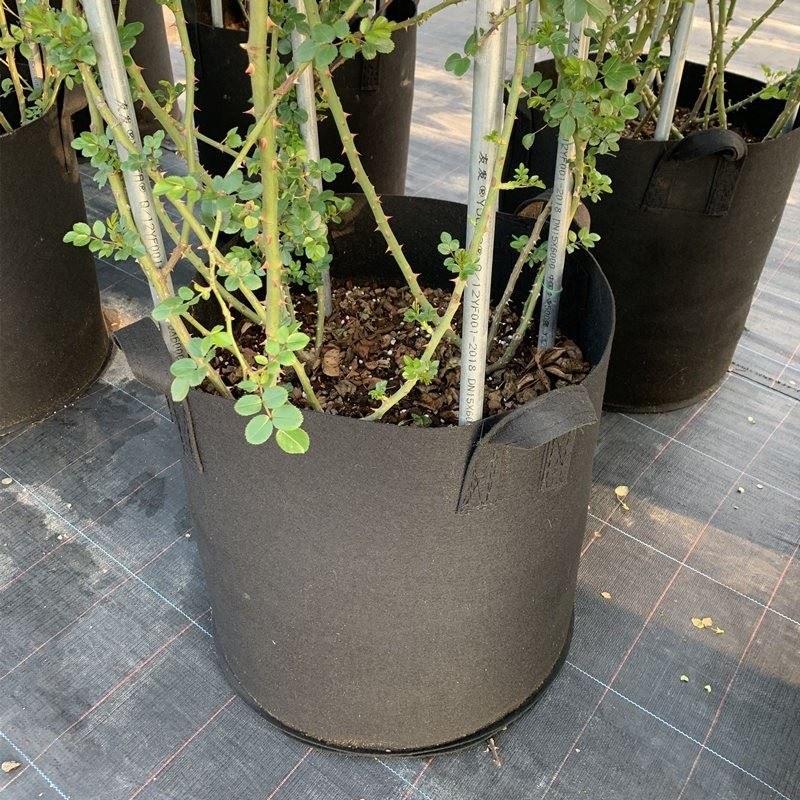
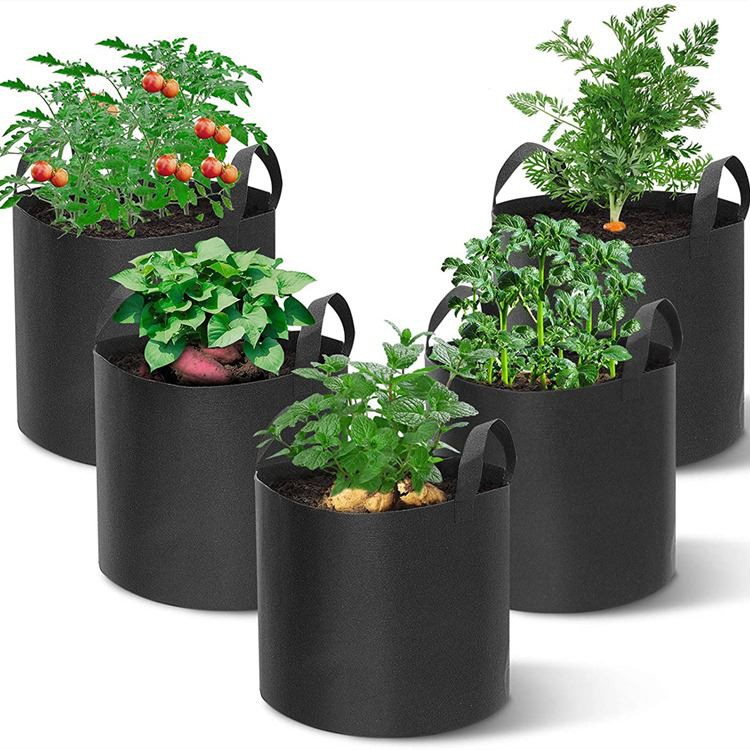
- Poor Aeration: Grow bags made of non - breathable materials can trap moisture and stale air inside. Without proper air circulation, the environment becomes a breeding ground for anaerobic bacteria, which produce foul - smelling gases. For example, if the grow bag is placed in a corner with limited air movement, the air inside can't be refreshed effectively.
- Over - watering: Excessive watering leads to waterlogged soil. When the soil stays wet for too long, it can suffocate the roots and cause root rot. The decaying roots release a putrid smell. Also, waterlogged soil creates an ideal environment for mold and fungi to grow, which can emit musty odors.
- Mold and Bacteria Growth: Organic matter in the soil can decompose, especially in warm and humid conditions. This decomposition process is accelerated by the presence of mold and bacteria. These microorganisms break down the organic material and release volatile compounds that result in an unpleasant smell.
Step - by - Step Guide to Removing the Smell
1. Remove the Plants (if possible)
If the smell is severe, it's best to remove the plants temporarily. Gently take out the plants along with the root ball and place them in a temporary container filled with fresh soil or a hydroponic solution. This not only protects the plants from the potentially harmful environment but also allows you to clean the grow bag more thoroughly.
2. Empty and Clean the Grow Bag
- Empty the Soil: Pour out all the soil from the grow bag. Dispose of the soil properly, especially if it shows signs of root rot or heavy mold growth.
- Rinse the Bag: Use a garden hose to rinse the inside and outside of the grow bag thoroughly. This helps to remove any loose soil particles, debris, and some of the odor - causing substances.
- Soak in a Cleaning Solution: Prepare a cleaning solution by mixing mild dish soap or a natural disinfectant, such as vinegar or hydrogen peroxide, with water. Soak the grow bag in this solution for at least 30 minutes. Vinegar is a great natural cleaner as it can kill many types of bacteria and mold. Hydrogen peroxide is also effective in disinfecting and removing odors. For example, you can mix one part vinegar with three parts water or use a 3% hydrogen peroxide solution.
- Scrub the Bag: After soaking, use a soft brush to scrub the inside of the grow bag gently. Pay special attention to the corners and seams where dirt and odor - causing substances may accumulate.
- Rinse Again: Rinse the grow bag thoroughly with clean water to remove all traces of the cleaning solution. Make sure there is no soap or disinfectant residue left, as this can be harmful to the plants.
3. Improve Aeration
- Choose a Breathable Grow Bag: Consider using a Breathable Fabric Planter Bag. These bags are made of porous materials that allow air to circulate freely, preventing the buildup of moisture and stale air. The breathable fabric also promotes healthy root growth by allowing oxygen to reach the roots.
- Create Air Holes: If your grow bag is not breathable, you can create small air holes around the sides and bottom of the bag using a sharp knife or a drill. Make sure the holes are not too large to prevent soil from spilling out.
4. Adjust Watering Practices
- Check the Soil Moisture: Use a moisture meter or simply stick your finger into the soil up to the second knuckle. If the soil feels dry at this depth, it's time to water. If it's still moist, wait a few more days before watering again.
- Water Slowly and Deeply: Instead of giving the plants a quick sprinkle, water the grow bag slowly and deeply. This ensures that the water reaches the roots without causing waterlogging. You can use a soaker hose or a watering can with a long spout to direct the water to the base of the plants.
5. Add Natural Odor Absorbers
- Activated Charcoal: Place a few pieces of activated charcoal in the bottom of the grow bag before adding the soil. Activated charcoal has a large surface area with many tiny pores that can absorb odors and impurities. It can help to keep the air inside the grow bag fresh.
- Baking Soda: Sprinkle a thin layer of baking soda on the soil surface. Baking soda is a natural deodorizer that can neutralize acidic odors. It also helps to maintain a balanced pH level in the soil.
Preventing Future Smells
- Proper Plant Spacing: Avoid overcrowding plants in the grow bag. Overcrowding restricts air circulation and can lead to increased humidity, which promotes the growth of mold and bacteria. Make sure to follow the recommended spacing guidelines for each plant species.
- Regular Inspections: Check the grow bag regularly for signs of mold, root rot, or other problems. Early detection allows you to take corrective action before the problem becomes severe.
- Use High - Quality Soil: Invest in high - quality soil that is well - drained and rich in organic matter. Good soil structure promotes healthy root growth and reduces the risk of waterlogging and odor problems. You can also consider using a Planting Bag specifically designed to hold high - quality soil.
Considering Different Grow Bag Sizes
If you find that the 10 Gallon Grow Bag is not suitable for your plants or if you want to expand your growing operation, you might consider a 15 Gallon Grow Bag. Larger grow bags can provide more space for the roots to grow, which can improve the overall health of the plants. They also tend to have better air circulation and moisture retention, reducing the likelihood of odor problems.
Conclusion
Removing the smell from a 10 Gallon Grow Bag is a multi - step process that involves understanding the causes of the smell, cleaning the bag thoroughly, improving aeration, adjusting watering practices, and using natural odor absorbers. By following these steps and taking preventive measures, you can ensure a healthy and odor - free environment for your plants.
If you're interested in purchasing high - quality grow bags, including our 10 Gallon Grow Bags, feel free to contact us for procurement and further discussions. We're committed to providing the best products and solutions for your growing needs.
References
- Smith, J. (2020). "Best Practices for Growing Plants in Grow Bags". Gardening Today.
- Johnson, A. (2019). "Managing Odors in Hydroponic and Soil - Based Growing Systems". Journal of Horticultural Science.


