As a supplier of 45 Gallon Grow Bags, I've witnessed firsthand the challenges that gardeners face when it comes to protecting their plants from extreme weather conditions. These large grow bags are a popular choice for cultivating a variety of plants, from vegetables to flowers, but they require special attention during harsh weather. In this blog, I'll share some practical tips on how to safeguard your plants in a 45 - gallon grow bag from extreme weather.
Understanding the Impact of Extreme Weather on Plants in Grow Bags
Extreme weather can have a significant impact on plants grown in 45 - gallon grow bags. Heatwaves can cause the soil in the grow bags to dry out quickly, leading to water stress for the plants. On the other hand, cold snaps can freeze the soil and damage the plant roots. Heavy rainfall can lead to waterlogging, which deprives the roots of oxygen, while strong winds can topple the grow bags, uprooting the plants.
Protecting Plants from Heatwaves
During heatwaves, the temperature inside the grow bags can rise significantly, which can be detrimental to the plants. Here are some strategies to protect your plants from excessive heat:
- Mulching: Apply a layer of organic mulch, such as straw or wood chips, on top of the soil in the grow bag. Mulch helps to insulate the soil, reducing heat absorption and evaporation. It also suppresses weed growth, which can compete with your plants for water and nutrients.
- Shade Cloth: Install a shade cloth over the grow bags to reduce the amount of direct sunlight reaching the plants. Shade cloths come in different densities, and you can choose one based on the level of shade your plants need. For most plants, a 30 - 50% shade cloth is sufficient.
- Watering: Increase the frequency of watering during heatwaves. Check the soil moisture regularly by inserting your finger into the soil up to the second knuckle. If the soil feels dry, it's time to water. Water the plants deeply in the early morning or late evening to minimize water loss due to evaporation.
- Moving the Grow Bags: If possible, move the grow bags to a shaded area during the hottest part of the day. This can provide some relief to the plants from the intense heat.
Protecting Plants from Cold Snaps
Cold snaps can be equally damaging to plants in grow bags. Here's how you can protect your plants from freezing temperatures:
- Insulation: Wrap the grow bags with insulating materials, such as bubble wrap or burlap. This helps to retain heat in the soil and protect the plant roots from freezing. You can also place a layer of straw or leaves around the base of the grow bags for additional insulation.
- Covering the Plants: Use frost blankets or row covers to protect the plants from frost. These covers can trap heat and create a microclimate around the plants. Make sure to secure the covers tightly to prevent them from blowing away in the wind.
- Bringing Indoors: If the cold snap is severe, consider bringing the grow bags indoors. Place them in a garage, basement, or other sheltered area where the temperature is above freezing.
- Using Heat Sources: In extreme cases, you can use heat sources, such as heat lamps or electric blankets, to keep the plants warm. However, make sure to use these heat sources safely and follow the manufacturer's instructions.
Protecting Plants from Heavy Rainfall
Heavy rainfall can cause waterlogging in grow bags, which can lead to root rot and other diseases. Here are some steps to protect your plants from excessive rain:
- Drainage Holes: Ensure that your 45 - gallon grow bags have adequate drainage holes. If the existing holes are clogged, clear them to allow water to drain freely. You can also add a layer of gravel or broken pottery at the bottom of the grow bag to improve drainage.
- Elevating the Grow Bags: Place the grow bags on a raised platform or bricks to prevent them from sitting in standing water. This allows excess water to drain away from the grow bags.
- Covering the Grow Bags: If heavy rainfall is predicted, you can cover the grow bags with a waterproof tarp or plastic sheet. This can prevent excessive water from entering the grow bags. However, make sure to remove the cover after the rain stops to allow the soil to dry out.
Protecting Plants from Strong Winds
Strong winds can topple grow bags and damage the plants. Here's how you can protect your plants from windy conditions:
- Staking: Stake the plants in the grow bags to provide support. Use bamboo stakes or metal rods and tie the plants to the stakes using soft twine or plant ties. This helps to prevent the plants from being blown over by the wind.
- Securing the Grow Bags: Place the grow bags in a sheltered location, such as against a wall or fence. You can also use weights or anchors to secure the grow bags to the ground. For example, you can place bricks or sandbags around the base of the grow bags.
- Pruning: Prune the plants regularly to reduce their wind resistance. Remove any dead, damaged, or overgrown branches. This helps to make the plants more stable in windy conditions.
Choosing the Right Grow Bag
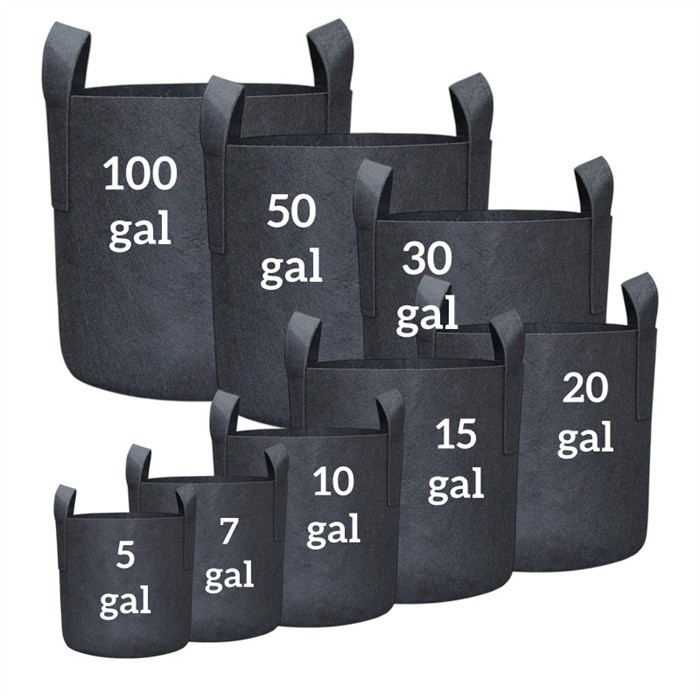
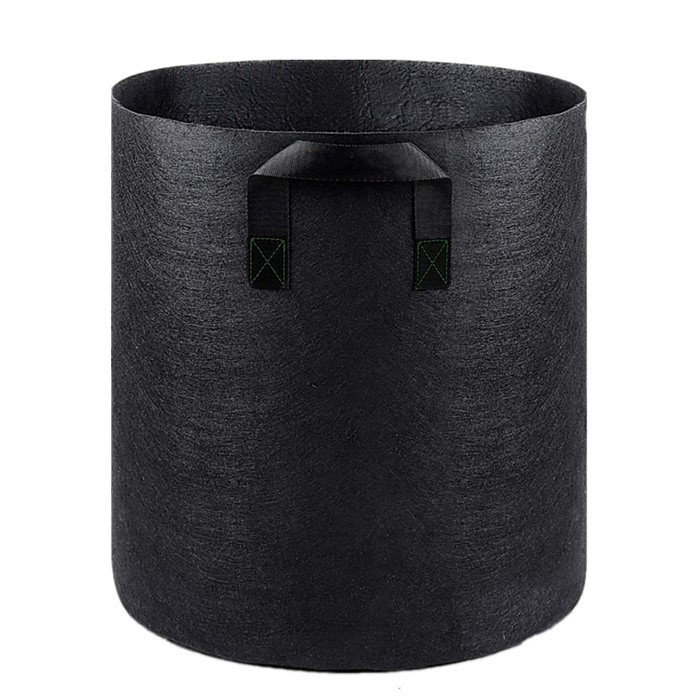
The type of grow bag you choose can also play a role in protecting your plants from extreme weather. Our 45 Gallon Grow Bag is made from high - quality fabric that is breathable and durable. The breathable fabric allows air to circulate around the roots, preventing root rot and promoting healthy plant growth. It also helps to regulate the temperature of the soil, keeping it cooler in hot weather and warmer in cold weather.
If you need a larger capacity, we also offer 65 Gallon Grow Bag. And for smaller plants or seedlings, our Nursery Grow Bag is a great option.
Conclusion
Protecting plants in a 45 - gallon grow bag from extreme weather requires a combination of strategies, including proper watering, insulation, and support. By following the tips outlined in this blog, you can help your plants thrive even in the most challenging weather conditions.
If you're interested in purchasing our high - quality grow bags, we'd love to have a conversation with you about your specific needs. Whether you're a professional gardener or a hobbyist, our grow bags are designed to meet your requirements. Reach out to us to start a procurement discussion and take your gardening to the next level.
References
- Dole, J. M., & Wilkins, H. F. (Eds.). (2005). Floriculture: principles and species. Pearson Prentice Hall.
- Hartmann, H. T., Kester, D. E., Davies, F. T., & Geneve, R. L. (2011). Plant propagation: principles and practices. Pearson.
- Taiz, L., & Zeiger, E. (2010). Plant physiology. Sinauer Associates.


