Hey there, fellow plant enthusiasts! As a supplier of Plant Grow Bags, I've seen firsthand how important it is to maintain the right pH level in your plant grow bags. It can make a huge difference in the health and productivity of your plants. So, let's dive into how you can keep that pH in check.
Why pH Matters in Plant Grow Bags
First off, why should you even care about pH? Well, the pH level of the growing medium in your Plant Grow Bags affects how well plants can absorb nutrients. Most plants prefer a slightly acidic to neutral pH range, usually between 6.0 and 7.0. When the pH is outside this range, certain nutrients become less available to the plants, even if they're present in the soil or growing medium.
For example, if the pH is too low (acidic), iron, manganese, and aluminum can become overly available, which can be toxic to plants. On the other hand, if the pH is too high (alkaline), nutrients like phosphorus, iron, and zinc may become less accessible, leading to nutrient deficiencies.
Testing the pH of Your Grow Bag Medium
Before you can start adjusting the pH, you need to know what it currently is. You can easily test the pH of the growing medium in your Plant Grow Bags using a pH testing kit. These kits are widely available at garden centers or online.
Here's a simple way to test the pH:
- Take a sample of the growing medium from your grow bag. Make sure to get a representative sample from different parts of the bag.
- Follow the instructions on the pH testing kit. Usually, you'll need to mix a small amount of the sample with water and then use a test strip or a liquid indicator to determine the pH.
- Read the results. The kit will usually have a color chart that you can compare the test result to in order to determine the pH level.
Adjusting the pH of Your Grow Bag Medium
Once you know the current pH of your grow bag medium, you can take steps to adjust it if necessary. There are two main ways to adjust the pH: raising it (making it more alkaline) or lowering it (making it more acidic).
Lowering the pH (Making it More Acidic)
If your pH test shows that the growing medium in your Plant Grow Bags is too alkaline, you can lower the pH by adding acidic materials. Here are some common options:
- Elemental Sulfur: This is a popular choice for lowering the pH of soil or growing medium. When sulfur is added to the soil, it is converted to sulfuric acid by soil bacteria, which lowers the pH over time. You'll need to apply sulfur according to the instructions on the package, as the amount you need depends on the current pH and the type of soil or growing medium.
- Peat Moss: Peat moss is naturally acidic and can be added to the growing medium to lower the pH. You can mix peat moss into the top few inches of the grow bag medium. However, keep in mind that peat moss can be expensive and its extraction can have environmental impacts, so use it sparingly.
- Vinegar: A diluted solution of vinegar (about 1 part vinegar to 10 parts water) can be used to water your plants and lower the pH of the growing medium. However, this is a temporary solution and may need to be repeated regularly.
Raising the pH (Making it More Alkaline)
If your pH test shows that the growing medium in your Plant Grow Bags is too acidic, you can raise the pH by adding alkaline materials. Here are some common options:
- Lime: Agricultural lime, such as dolomitic lime or calcitic lime, is a common way to raise the pH of soil or growing medium. Lime contains calcium and magnesium, which help to neutralize acidity. You'll need to apply lime according to the instructions on the package, as the amount you need depends on the current pH and the type of soil or growing medium.
- Wood Ash: Wood ash is alkaline and can be added to the growing medium to raise the pH. However, wood ash also contains potassium and other nutrients, so be careful not to overdo it. You can sprinkle a small amount of wood ash on the surface of the grow bag medium and then gently mix it in.
Maintaining the pH Over Time
Adjusting the pH is just the first step. You also need to maintain the pH level over time to ensure the health of your plants. Here are some tips to help you do that:
- Regular Testing: Test the pH of the growing medium in your Plant Grow Bags regularly, especially if you're using fertilizers or other amendments. This will help you catch any pH changes early and take corrective action.
- Use pH-Neutral Water: The water you use to water your plants can also affect the pH of the growing medium. If your tap water is very alkaline or acidic, consider using filtered or distilled water instead. You can also test the pH of your tap water and adjust it if necessary.
- Choose the Right Fertilizers: Some fertilizers can affect the pH of the growing medium. For example, fertilizers that contain ammonium can lower the pH over time, while fertilizers that contain nitrate can raise the pH. Choose fertilizers that are appropriate for the pH requirements of your plants and the current pH of the growing medium.
Special Considerations for Different Types of Grow Bags
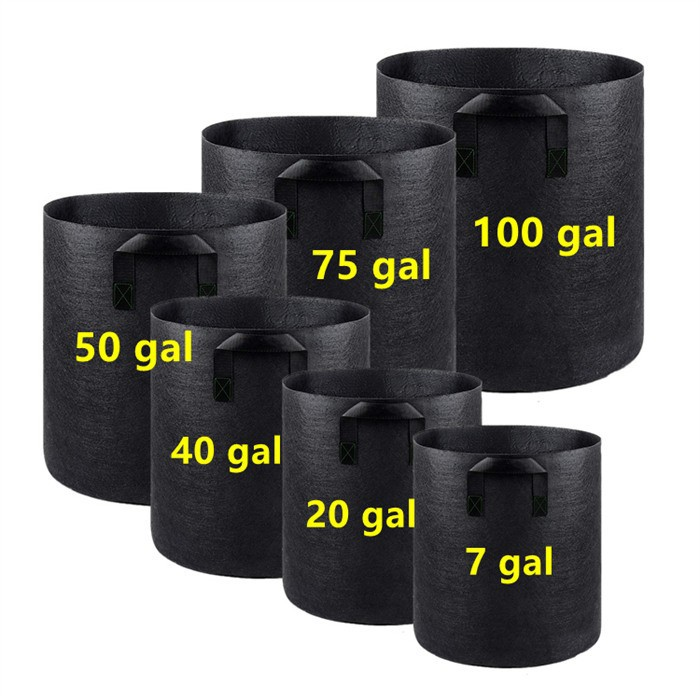
Not all grow bags are created equal, and different types of grow bags may require different approaches to pH maintenance. For example, 65 Gallon Grow Bag and Breathable Fabric Planter Bag may have different drainage and aeration properties, which can affect the pH of the growing medium.
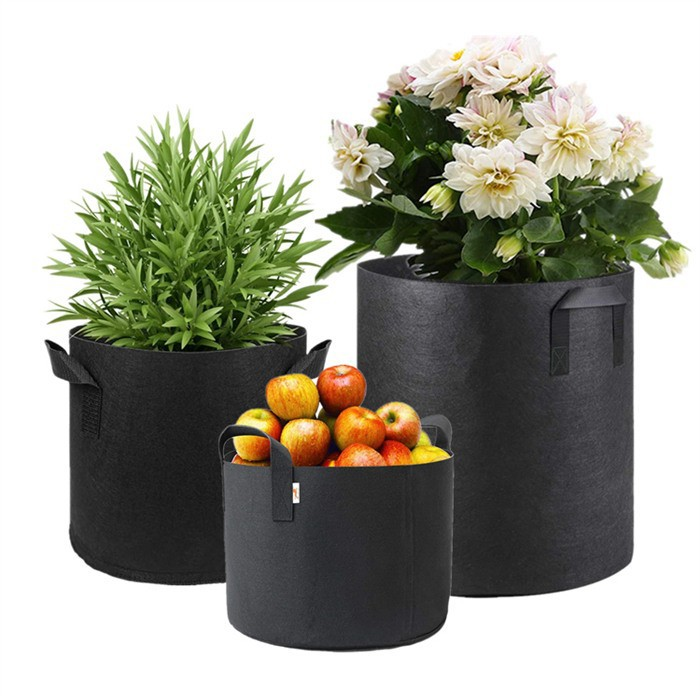
- Fabric Grow Bags: Fabric grow bags, like our Breathable Fabric Planter Bag, are known for their good drainage and aeration. However, this also means that they can dry out more quickly, which can affect the pH of the growing medium. Make sure to water your fabric grow bags regularly and monitor the pH closely.
- Large Grow Bags: Large grow bags, like our 65 Gallon Grow Bag, may require more time and effort to adjust the pH. The larger volume of growing medium means that it can take longer for the pH to change, so be patient and make small adjustments over time.
Conclusion
Maintaining the right pH level in your Plant Grow Bags is essential for the health and productivity of your plants. By testing the pH regularly, adjusting it as needed, and taking steps to maintain it over time, you can ensure that your plants have access to the nutrients they need to thrive.
If you're interested in purchasing high-quality Plant Grow Bags, 65 Gallon Grow Bag, or Breathable Fabric Planter Bag, feel free to reach out to us for more information and to discuss your specific needs. We're here to help you grow healthy and happy plants!
References
- "The New Organic Grower: A Master's Manual of Tools and Techniques for the Home and Market Gardener" by Eliot Coleman
- "Rodale's Ultimate Encyclopedia of Organic Gardening: The Indispensable Green Resource for Every Gardener" by Fern Marshall Bradley


