Hey there, fellow plant enthusiasts! As a supplier of nursery pots, I've seen firsthand how important it is to label plants correctly in those pots. It might seem like a small detail, but it can make a huge difference in how well your plants are cared for and how successful your nursery business is. In this blog, I'm gonna share some tips on how to label plants in nursery pots effectively.
Why Labeling Matters
First off, let's talk about why labeling is so crucial. When you label your plants in nursery pots, you're providing valuable information to both yourself and your customers. For you, it helps keep track of what's growing in each pot. You can note down details like the plant species, when it was planted, and any special care instructions. This makes it easier to manage your inventory and ensure that each plant gets the right amount of attention.
For your customers, labels are like a roadmap to plant care. They tell them what kind of plant they're buying, how much sunlight and water it needs, and any other important details. This helps customers take better care of their plants, which leads to happier customers and more repeat business for you.
Choosing the Right Labels
Now that we know why labeling is important, let's talk about choosing the right labels. There are a few things to consider when selecting labels for your nursery pots.
- Material: Labels can be made from a variety of materials, including plastic, paper, and metal. Plastic labels are durable and weather-resistant, making them a great choice for outdoor nurseries. Paper labels are more affordable and can be easily written on, but they may not hold up as well in wet conditions. Metal labels are long-lasting and can add a touch of elegance to your pots, but they can also be more expensive.
- Size: The size of your labels will depend on the size of your nursery pots. You want to make sure the label is big enough to hold all the necessary information, but not so big that it overwhelms the pot. A good rule of thumb is to choose a label that's about one-third the size of the pot.
- Design: The design of your labels can also make a big difference. You want to choose a design that's easy to read and visually appealing. You can include your nursery's logo, the plant name, and any other relevant information. You can also choose from a variety of colors and fonts to make your labels stand out.
What to Include on Your Labels
Once you've chosen the right labels, it's time to decide what information to include on them. Here are some of the most important things to include:
- Plant Name: This is the most obvious thing to include on your labels. Make sure to include the common name and the scientific name of the plant. This will help your customers identify the plant and find more information about it online.
- Plant Type: Include the type of plant, such as a perennial, annual, or shrub. This will help your customers understand the plant's growth habits and care requirements.
- Sunlight Requirements: Let your customers know how much sunlight the plant needs. You can use terms like full sun, partial sun, or shade to describe the plant's sunlight requirements.
- Watering Requirements: Include information on how often the plant needs to be watered. You can use terms like moist, dry, or well-drained to describe the plant's watering requirements.
- Fertilizer Requirements: Let your customers know if the plant needs to be fertilized and how often. You can include information on the type of fertilizer to use and the amount to apply.
- Planting Instructions: If the plant needs to be planted in a specific way, include planting instructions on the label. This can include information on the depth to plant the seed or transplant, the spacing between plants, and the type of soil to use.
- Special Care Instructions: If the plant has any special care requirements, such as pruning or pest control, include this information on the label. This will help your customers keep their plants healthy and thriving.
Applying the Labels
Once you've created your labels, it's time to apply them to your nursery pots. Here are some tips on how to apply the labels effectively:
- Clean the Pot: Before applying the label, make sure the pot is clean and dry. This will help the label stick better and last longer.
- Position the Label: Place the label in a visible location on the pot. You want to make sure the label is easy to read and doesn't cover any important parts of the plant.
- Apply the Label: Use a strong adhesive to apply the label to the pot. You can use a glue stick, double-sided tape, or a label applicator. Make sure the label is firmly attached to the pot and doesn't have any bubbles or wrinkles.
- Protect the Label: Once the label is applied, you can protect it by covering it with a clear plastic film or spray. This will help the label last longer and prevent it from fading or peeling.
Using Technology to Label Plants
In addition to traditional labels, there are also some new technologies that can be used to label plants in nursery pots. Here are a few examples:
- QR Codes: QR codes are a type of barcode that can be scanned with a smartphone. You can include a QR code on your labels that links to a website with more information about the plant. This can include care instructions, photos, and videos.
- RFID Tags: RFID tags are small electronic devices that can be attached to plants. They can be used to track the location and movement of plants in your nursery. You can also use RFID tags to store information about the plant, such as its name, age, and care requirements.
- Smart Labels: Smart labels are labels that can be connected to the internet. They can be used to monitor the environmental conditions around the plant, such as temperature, humidity, and light levels. You can also use smart labels to send alerts to your phone or email if the plant needs water or fertilizer.
Conclusion
Labeling plants in nursery pots is an important part of running a successful nursery business. By choosing the right labels, including the right information, and applying the labels correctly, you can provide valuable information to your customers and help them take better care of their plants. You can also use technology to make your labeling process more efficient and effective.
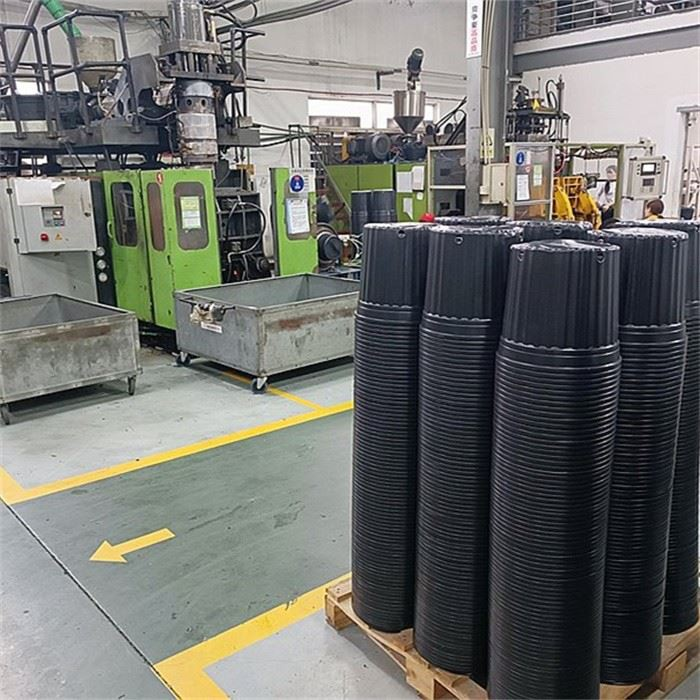
If you're in the market for high-quality nursery pots, be sure to check out our selection of 3 Gallon Short Nursery Pot For Sale and Square Seedling Pot Tray. We also offer Pine Bark Chip to help you create a healthy growing environment for your plants.
If you have any questions or would like to discuss your nursery pot needs, feel free to reach out. We're here to help you find the perfect solutions for your nursery.
References
- "The Importance of Plant Labels in Nurseries." Gardening Today, 2023.
- "Choosing the Right Labels for Your Nursery Pots." Nursery Management Magazine, 2022.
- "Using Technology to Label Plants in Nurseries." Horticulture Technology Journal, 2021.


