Hey there, fellow gardening enthusiasts! If you're looking to spruce up your home's exterior and add a pop of color, window boxes are an excellent way to do it. As a window boxes supplier, I've seen firsthand how a well-arranged window box can transform the look of a building. In this blog post, I'll share some tips on how to arrange plants in window boxes for a beautiful display.
Choose the Right Window Box
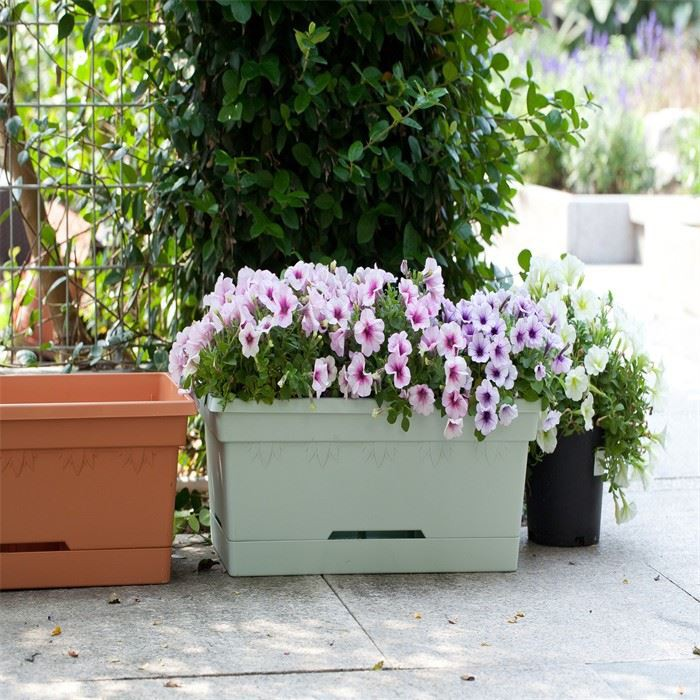
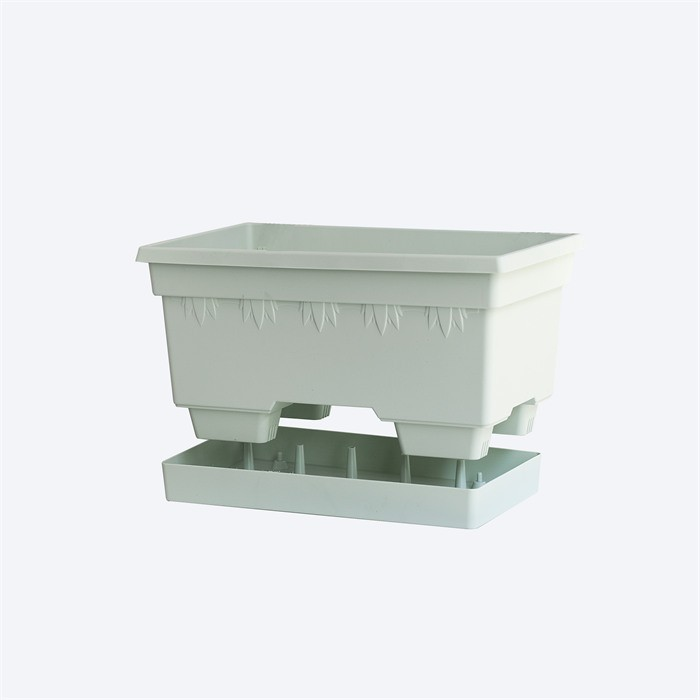
First things first, you need to pick the right window box for your needs. We offer a variety of window boxes, including the 20" Sailing Window Box, 23" Sailing Window Box, and Green Sailing Window Box. Consider the size of your window, the amount of sunlight it gets, and the overall style of your home when making your selection.
Select the Right Plants
Once you've got your window box, it's time to choose the plants. You want to pick plants that will thrive in the conditions your window box provides. Here are some general guidelines:
- Sunlight: If your window gets a lot of sun, go for sun-loving plants like petunias, geraniums, and marigolds. For shady windows, opt for plants like impatiens, begonias, and ferns.
- Height and Spread: Mix plants of different heights and spreads to create a layered look. Taller plants can go in the back, while shorter ones can be placed in the front. Trailing plants like ivy or lobelia can spill over the edges for a cascading effect.
- Color Coordination: Think about the color scheme you want. You can go for a monochromatic look with different shades of the same color, or create a bold contrast with complementary colors.
Prepare the Window Box
Before you start planting, make sure your window box is ready. Here's what you need to do:
- Drainage: Ensure your window box has proper drainage holes. If it doesn't, drill some in the bottom. You can also add a layer of gravel or broken pottery at the bottom to help with drainage.
- Soil: Use a high-quality potting mix. It should be well-draining and rich in nutrients. Fill the window box about three-quarters full with soil.
Arrange the Plants
Now comes the fun part - arranging the plants! Here are some steps to follow:
- Plan Your Layout: Take a look at your plants and decide where you want to place them. You can even lay them out on top of the soil before planting to get a better idea of how they'll look.
- Start with the Tallest Plants: Place the tallest plants in the back of the window box. This will create a backdrop for the other plants.
- Add Medium-Sized Plants: Next, add the medium-sized plants in the middle. They'll fill in the space and add some volume.
- Place the Shortest Plants: Put the shortest plants in the front. They'll give the window box a finished look and help cover the soil.
- Include Trailing Plants: If you're using trailing plants, place them near the edges of the window box so they can spill over.
Planting Tips
When planting your plants, keep these tips in mind:
- Gently Remove Plants from Containers: Be careful not to damage the roots when removing the plants from their containers. You can gently loosen the roots if they're tightly packed.
- Plant at the Right Depth: Make sure you plant each plant at the same depth it was in its original container.
- Space Plants Properly: Leave enough space between plants for them to grow. Overcrowding can lead to poor growth and disease.
- Water Thoroughly: After planting, water the window box thoroughly. This will help settle the soil and give the plants a good start.
Maintenance
To keep your window box looking its best, you'll need to do some maintenance. Here's what you should do:
- Water Regularly: Check the soil moisture regularly and water when it feels dry to the touch. Avoid overwatering, as this can lead to root rot.
- Fertilize: Use a balanced fertilizer according to the package instructions. This will help keep your plants healthy and blooming.
- Deadhead: Remove spent flowers regularly to encourage new growth and more blooms.
- Prune: Trim back any overgrown or leggy plants to keep the window box looking neat.
Seasonal Changes
Your window box can look beautiful all year round if you make some seasonal changes. Here are some ideas:
- Spring: Plant bulbs like tulips and daffodils in the fall for a colorful spring display. You can also add some early-blooming annuals like pansies.
- Summer: Switch to heat-tolerant annuals like petunias, geraniums, and zinnias. You can also add some herbs like basil or thyme for a functional and fragrant window box.
- Fall: Replace your summer plants with fall favorites like mums, asters, and ornamental kale. The colorful foliage will add a touch of autumn to your home.
- Winter: For a winter window box, use evergreens like boxwood or holly. You can also add some winter berries or dried flowers for a festive look.
Conclusion
Arranging plants in window boxes is a great way to add beauty and charm to your home. By choosing the right window box, selecting the right plants, and following these tips, you can create a stunning display that will be the envy of the neighborhood.
If you're interested in purchasing window boxes or have any questions about arranging plants, feel free to reach out. We're here to help you create the perfect window box for your home.
References
- "The Complete Guide to Container Gardening" by Smith, John
- "Gardening for Beginners" by Johnson, Jane


