Hydroponics is a soil - less method of growing plants that has gained significant popularity in recent years due to its efficiency, space - saving nature, and the ability to control the growing environment precisely. A 20 - gallon grow bag is an excellent choice for hydroponic gardening, offering a good balance between space for plant roots and manageability. As a supplier of 20 - gallon grow bags, I'm excited to share with you how to set up a 20 - gallon grow bag for hydroponics.
Step 1: Selecting the Right 20 - Gallon Grow Bag
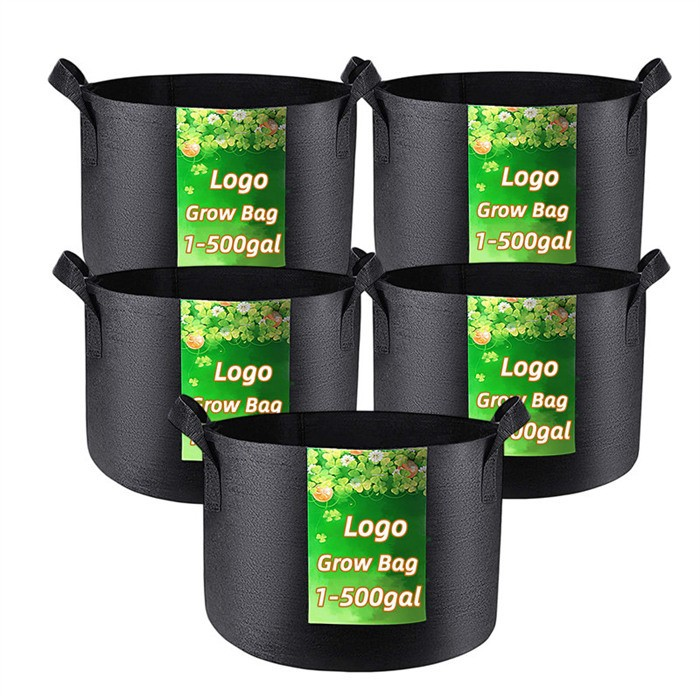
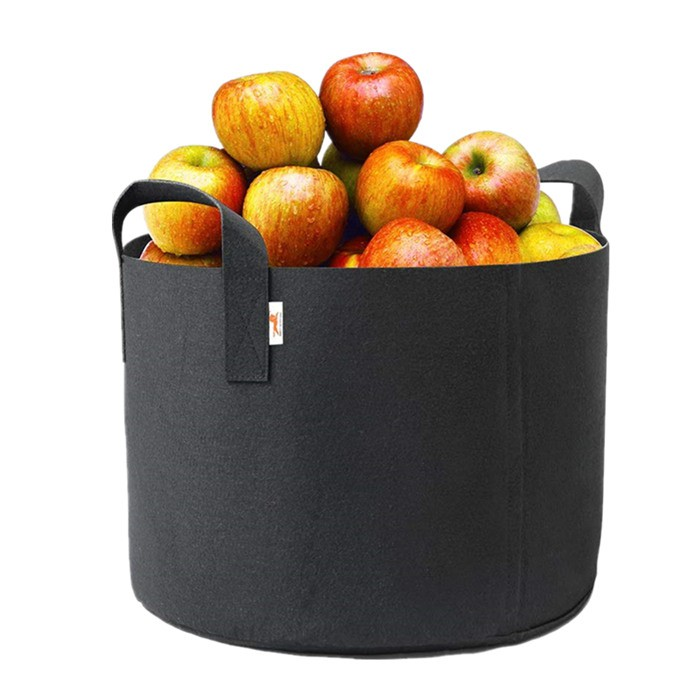
When choosing a 20 - gallon grow bag, you need to consider several factors. First, the material of the grow bag is crucial. Fabric grow bags, such as the Fabric Pot for Plants, are highly recommended. They are breathable, which allows for better air circulation around the roots. This air pruning effect encourages the growth of a healthier and more extensive root system.
The fabric also helps prevent root circling, a common problem in traditional plastic containers. Additionally, fabric grow bags are lightweight and easy to move around, which is convenient if you need to adjust the position of your plants according to sunlight or other environmental factors.
Step 2: Preparing the Grow Bag
Before using the 20 - gallon grow bag, it's essential to clean it thoroughly. Rinse the grow bag with clean water to remove any dust or debris that may have accumulated during storage or transportation. If you're using a new grow bag, it's a good idea to soak it in a mild bleach solution (1 part bleach to 9 parts water) for about 15 - 20 minutes. This will help disinfect the bag and prevent the growth of harmful pathogens.
After soaking, rinse the grow bag several times with clean water to ensure that all the bleach is removed. Let the grow bag dry completely before proceeding to the next step.
Step 3: Choosing the Hydroponic System
There are several types of hydroponic systems that can be used with a 20 - gallon grow bag, including the nutrient film technique (NFT), deep water culture (DWC), and ebb and flow systems.
- Nutrient Film Technique (NFT): In an NFT system, a thin film of nutrient - rich water flows continuously over the roots of the plants. This system requires a sloped grow tray and a pump to circulate the nutrient solution. It's a popular choice for growing leafy greens and herbs as it provides a constant supply of nutrients and oxygen to the roots.
- Deep Water Culture (DWC): The DWC system involves suspending the plants in a container filled with nutrient - rich water. An air pump is used to supply oxygen to the roots. This system is relatively simple and is suitable for a wide range of plants, including tomatoes, cucumbers, and peppers.
- Ebb and Flow System: Also known as a flood and drain system, the ebb and flow system periodically floods the grow bag with nutrient solution and then drains it. This cycle provides the plants with both nutrients and oxygen. It's a versatile system that can be used for various types of plants.
Step 4: Setting Up the Hydroponic System
Once you've chosen the hydroponic system, it's time to set it up with the 20 - gallon grow bag.
- For an NFT System: Place the grow bag on a sloped surface and attach the NFT channels to the bag. Connect the pump to the nutrient reservoir and the NFT channels. Make sure the nutrient solution flows smoothly through the channels and over the roots of the plants.
- For a DWC System: Fill the 20 - gallon grow bag with nutrient - rich water. Place an air stone at the bottom of the bag and connect it to an air pump. Use net pots to hold the plants and suspend them in the water.
- For an Ebb and Flow System: Position the grow bag in a tray. Connect the pump to the nutrient reservoir and the tray. Set up a timer to control the flooding and draining cycles.
Step 5: Adding the Growing Medium
Although hydroponics is a soil - less method, a growing medium is still needed to support the plants. There are several options for growing media, including coconut coir, perlite, vermiculite, and rockwool.
- Coconut Coir: Coconut coir is a popular choice as it is a renewable resource and has excellent water - holding capacity. It also provides good aeration for the roots.
- Perlite and Vermiculite: These lightweight materials are often mixed with other growing media to improve drainage and aeration.
- Rockwool: Rockwool is a synthetic growing medium that is made from molten rock. It has good water - holding capacity and provides a stable environment for the roots.
Fill the 20 - gallon grow bag with the chosen growing medium, leaving about 2 - 3 inches of space at the top.
Step 6: Planting the Seeds or Seedlings
Once the grow bag is filled with the growing medium, it's time to plant the seeds or seedlings.
- Seeds: Make small holes in the growing medium, about 1/4 - 1/2 inch deep. Place the seeds in the holes and cover them lightly with the growing medium. Water the seeds gently to ensure good contact with the medium.
- Seedlings: Make a hole in the growing medium large enough to accommodate the root ball of the seedling. Carefully remove the seedling from its container and place it in the hole. Fill in the hole with the growing medium and gently press it around the base of the seedling.
Step 7: Maintaining the Hydroponic System
Proper maintenance is crucial for the success of your hydroponic garden.
- Nutrient Solution: Monitor the nutrient solution regularly to ensure that the pH and nutrient levels are within the appropriate range for the plants you're growing. Most plants prefer a pH range of 5.5 - 6.5. Use a pH meter and a nutrient test kit to check the levels and adjust them as needed.
- Water Level: Keep an eye on the water level in the grow bag. In a DWC system, make sure the roots are always submerged in the nutrient solution. In an ebb and flow system, ensure that the flooding and draining cycles are working correctly.
- Lighting: Provide adequate lighting for your plants. Depending on the type of plants, they may require 12 - 18 hours of light per day. You can use artificial grow lights, such as LED lights, to supplement natural sunlight.
- Temperature and Humidity: Maintain a suitable temperature and humidity level in the growing area. Most plants grow best at a temperature range of 65 - 75°F (18 - 24°C) and a humidity level of 40 - 60%.
Step 8: Troubleshooting
Even with proper maintenance, you may encounter some problems in your hydroponic garden.
- Nutrient Deficiencies: If the plants show signs of nutrient deficiencies, such as yellowing leaves or stunted growth, check the nutrient solution and adjust the nutrient levels accordingly.
- Pests and Diseases: Keep an eye out for pests and diseases. Common pests in hydroponic gardens include aphids, spider mites, and whiteflies. Use organic pest control methods, such as neem oil or insecticidal soap, to control pests.
- Root Rot: Root rot can occur if the roots are constantly submerged in water or if the growing medium is too wet. Improve aeration and drainage to prevent root rot.
In conclusion, setting up a 20 - gallon grow bag for hydroponics is a rewarding experience that allows you to grow healthy and productive plants. By following these steps, you can create a successful hydroponic garden. If you're interested in purchasing high - quality 20 - gallon grow bags or other related products, such as 5 Gallon Grow Bag and 7 Gallon Grow Bag, please feel free to contact us for more information and to discuss your purchasing needs.
References
- Resh, H. M. (2013). Hydroponic Food Production: A Definitive Guidebook for the Advanced Home Gardener and the Commercial Hydroponic Grower. CRC Press.
- Diver, S. (2015). Hydroponics for Beginners: The Ultimate Step - by - Step Guide to Growing Vegetables at Home. CreateSpace Independent Publishing Platform.


