Do 45 - gallon grow bags need to be replaced every year?
As a supplier of 45 - gallon grow bags, I've encountered numerous inquiries from gardeners and commercial growers alike regarding the replacement frequency of these essential gardening tools. The question of whether 45 - gallon grow bags need to be replaced every year is a complex one, influenced by a variety of factors that I'll explore in this blog post.
Understanding the Basics of 45 - gallon Grow Bags
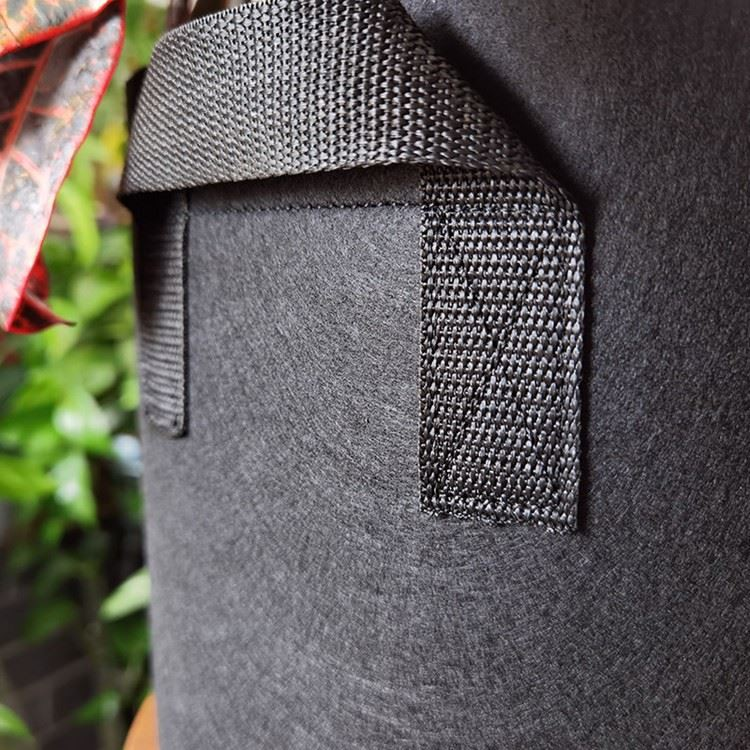
Before delving into the replacement question, it's crucial to understand what 45 - gallon grow bags are and their benefits. These large - capacity grow bags are typically made from fabric materials, which offer several advantages over traditional plastic pots. Fabric grow bags promote better aeration and drainage, preventing root rot and allowing roots to breathe. This results in healthier plants with stronger root systems. They are also lightweight, portable, and cost - effective, making them a popular choice for both home gardeners and large - scale nurseries. You can find a wide selection of Plant Grow Bags on our website.
Factors Affecting the Lifespan of 45 - gallon Grow Bags
- Material Quality
The quality of the fabric used in the grow bags is a significant determinant of their lifespan. High - quality fabrics are more durable, resistant to tearing, and can withstand multiple growing seasons. Cheaper materials may start to degrade after just one season, especially if they are exposed to harsh weather conditions or rough handling. At our company, we use premium - grade fabrics for our Nursery Grow Bag and 45 - gallon grow bags, ensuring long - term performance. - Usage and Handling
How the grow bags are used and handled also plays a crucial role. If the grow bags are filled with heavy soil mixtures and moved around frequently, they are more likely to experience wear and tear. Similarly, improper cleaning or storage can reduce their lifespan. For example, leaving the grow bags outside in the rain and sun during the off - season can cause the fabric to deteriorate. On the other hand, gentle handling, proper cleaning, and dry storage can extend the life of the grow bags. - Plant Types and Growing Conditions
The type of plants grown in the 45 - gallon grow bags can affect their durability. Some plants have aggressive root systems that may puncture or damage the fabric over time. Additionally, growing conditions such as extreme temperatures, high humidity, or exposure to chemicals can impact the fabric. For instance, if the grow bags are used in a greenhouse with high humidity levels, there is a greater risk of mold and mildew growth, which can weaken the fabric.
When Replacement is Necessary
- Physical Damage
If the grow bag shows signs of significant physical damage, such as large tears, holes, or frayed edges, it's time to replace it. Physical damage can compromise the integrity of the grow bag, leading to soil leakage and poor plant growth. Even small holes can allow pests and diseases to enter the root zone, affecting the health of the plants. - Soil Degradation and Contamination
Over time, the soil in the grow bag can become depleted of nutrients and contaminated with pathogens. If the soil has become compacted, waterlogged, or shows signs of disease, it may be more practical to replace the grow bag along with the soil. This helps to ensure a fresh start for the next growing season and reduces the risk of recurring plant health problems. - Reduced Performance
If the grow bag no longer provides adequate aeration or drainage, it may need to be replaced. This can happen if the fabric has become clogged with soil particles or if the pores have been blocked over time. Poor aeration and drainage can lead to root suffocation and waterlogging, which are detrimental to plant growth.
Extending the Lifespan of 45 - gallon Grow Bags
- Proper Cleaning
After each growing season, it's important to clean the grow bags thoroughly. Remove all the soil and plant debris, and then wash the grow bag with a mild soap and water solution. Rinse it well and allow it to dry completely before storage. This helps to prevent the growth of mold and mildew and removes any potential pathogens. - Correct Storage
Store the grow bags in a dry, cool place during the off - season. Avoid folding or creasing the bags too tightly, as this can weaken the fabric. Instead, roll them up gently and store them in a container or on a shelf. If possible, keep the grow bags away from direct sunlight, as UV rays can cause the fabric to fade and degrade. - Soil Management
Practice good soil management to reduce the need for frequent replacement. Use high - quality soil mixtures and amend the soil with organic matter regularly. This helps to maintain soil fertility and structure, reducing the stress on the grow bag. Additionally, rotating the crops grown in the grow bags can prevent soil - borne diseases from building up.
Conclusion
In general, 45 - gallon grow bags do not necessarily need to be replaced every year. With proper care and maintenance, they can last for several growing seasons. However, it's important to monitor the condition of the grow bags regularly and replace them when necessary. As a supplier of Plant Grow Bag and 45 - gallon grow bags, we are committed to providing high - quality products that offer long - term value.
If you're interested in purchasing 45 - gallon grow bags or have any questions about their usage and maintenance, we encourage you to contact us for a procurement discussion. We'll be happy to assist you in finding the right grow bags for your specific needs.
References
- "The Science of Fabric Grow Bags" - Gardening Today Magazine
- "Best Practices for Grow Bag Maintenance" - Horticulture Journal
- "Soil Health in Grow Bags" - Agricultural Research Report


