Starting seeds is an exciting and rewarding process for gardeners of all levels. Whether you're a seasoned horticulturist or a novice green thumb, choosing the right containers for seed starting is crucial. One common question that often arises is, "Can I use nursery pots for starting seeds?" In this blog post, we'll explore the suitability of nursery pots for seed starting, their benefits, potential drawbacks, and offer some practical tips to help you make the most of this option. As a nursery pots supplier, I'm here to provide you with the information you need to make an informed decision.
The Suitability of Nursery Pots for Seed Starting
Nursery pots are designed to provide a suitable environment for plant growth, making them a viable option for starting seeds. These pots come in various sizes, shapes, and materials, offering flexibility to meet different gardening needs. The key factors that make nursery pots suitable for seed starting include:
- Drainage: Proper drainage is essential for seed germination and healthy plant growth. Most nursery pots are equipped with drainage holes at the bottom, allowing excess water to escape and preventing waterlogging, which can lead to root rot.
- Size: Nursery pots come in a range of sizes, from small individual pots to larger multi-cell trays. This allows you to choose the appropriate size based on the type and quantity of seeds you want to start. Smaller pots are ideal for starting individual seeds or cuttings, while larger pots or trays can accommodate multiple seeds or seedlings.
- Material: Nursery pots are typically made from materials such as plastic, biodegradable materials, or terracotta. Each material has its own advantages and disadvantages. Plastic pots are lightweight, durable, and affordable, making them a popular choice for seed starting. Biodegradable pots, on the other hand, are environmentally friendly and can be planted directly into the soil, reducing transplant shock. Terracotta pots are porous, allowing air and water to circulate, which can promote healthy root growth.
- Reusability: Many nursery pots are reusable, which makes them a cost-effective option in the long run. After the seedlings have outgrown the pots, you can clean and sterilize them for future use.
Benefits of Using Nursery Pots for Seed Starting
Using nursery pots for seed starting offers several benefits, including:
- Controlled Environment: Nursery pots provide a controlled environment for seed germination and early plant growth. You can easily monitor and adjust the temperature, moisture, and light conditions to optimize the growth of your seedlings.
- Easy Transplanting: When the seedlings are ready to be transplanted into the garden or larger containers, nursery pots make the process easier. You can simply remove the seedlings from the pots and plant them directly into the soil, minimizing root disturbance.
- Space Efficiency: Nursery pots allow you to start seeds in a small space, such as a windowsill or a greenhouse. This is especially useful for gardeners with limited outdoor space or those who want to start seeds early in the season.
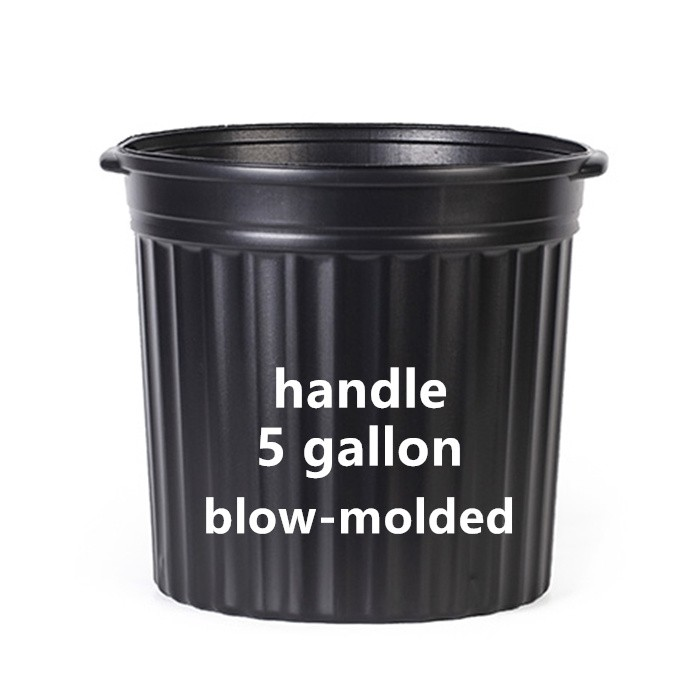
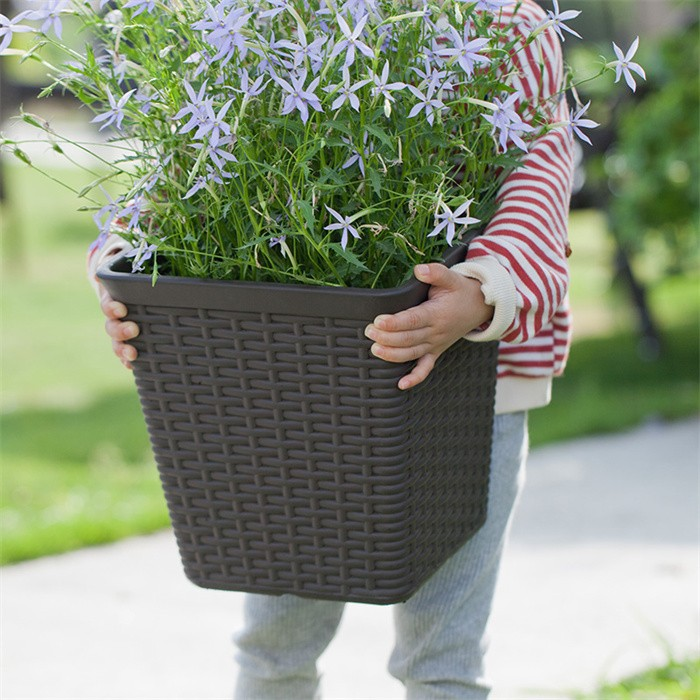
- Variety of Options: As a nursery pots supplier, we offer a wide range of nursery pots to choose from, including 3 Gallon Nursery Pot For Sale, Artificial Wicker Hose Plant Planter, and Handle 5 Gallon Nursery Pot. This allows you to select the pots that best suit your needs and preferences.
Potential Drawbacks of Using Nursery Pots for Seed Starting
While nursery pots are a popular choice for seed starting, they also have some potential drawbacks, including:
- Cost: Depending on the size, material, and quantity of nursery pots you need, the cost can add up. However, as mentioned earlier, many nursery pots are reusable, which can help offset the initial investment.
- Root Binding: If the seedlings are left in the nursery pots for too long, their roots may become bound and tangled. This can stunt the growth of the plants and make it more difficult to transplant them later.
- Limited Air Circulation: Some nursery pots, especially those made of plastic, may have limited air circulation, which can lead to the development of fungal diseases or other problems. To prevent this, make sure to choose pots with adequate drainage holes and provide proper ventilation.
Tips for Using Nursery Pots for Seed Starting
To ensure successful seed starting using nursery pots, here are some tips to keep in mind:
- Choose the Right Size Pot: Select a pot that is appropriate for the size of the seedling you want to grow. A pot that is too small may restrict root growth, while a pot that is too large may hold too much moisture and lead to root rot.
- Use Quality Potting Mix: Fill the nursery pots with a high-quality potting mix that is specifically formulated for seed starting. This will provide the seedlings with the nutrients and drainage they need to thrive.
- Sow the Seeds Properly: Follow the instructions on the seed packet for the correct sowing depth and spacing. Make sure to keep the soil moist but not waterlogged during the germination process.
- Provide Adequate Light and Temperature: Place the nursery pots in a location that receives plenty of light, such as a south-facing window or a grow light. Maintain a consistent temperature between 65°F and 75°F to promote healthy seed germination.
- Water Regularly: Water the seedlings regularly, but avoid overwatering. Check the soil moisture level by inserting your finger into the soil up to the second knuckle. If the soil feels dry, it's time to water.
- Transplant the Seedlings at the Right Time: Once the seedlings have developed their first true leaves and are large enough to handle, it's time to transplant them into larger containers or the garden. Make sure to harden off the seedlings gradually before transplanting them outdoors.
Conclusion
In conclusion, nursery pots are a suitable and convenient option for starting seeds. They offer several benefits, including proper drainage, a controlled environment, easy transplanting, and space efficiency. However, they also have some potential drawbacks, such as cost, root binding, and limited air circulation. By following the tips outlined in this blog post, you can make the most of using nursery pots for seed starting and ensure the success of your gardening endeavors.
If you're interested in purchasing nursery pots for your seed starting needs, we invite you to explore our wide range of products, including 3 Gallon Nursery Pot For Sale, Artificial Wicker Hose Plant Planter, and Handle 5 Gallon Nursery Pot. We offer high-quality nursery pots at competitive prices and are committed to providing excellent customer service. Contact us today to discuss your requirements and start your seed starting journey with confidence.
References
- Ball, V. (2018). The Complete Guide to Seed Starting. Storey Publishing.
- Harris, C. M., & Baker, J. C. (2019). Horticulture: Principles and Practices. Pearson.
- Smith, R. (2020). Starting Seeds Indoors: A Step-by-Step Guide. Cool Springs Press.


