Ferns are a delightful addition to any garden or indoor space, known for their lush, green foliage and air - purifying qualities. As a supplier of 10 - gallon grow bags, I often get asked whether these bags are suitable for growing ferns. In this blog, we'll explore the ins and outs of using 10 - gallon grow bags for ferns, considering factors such as fern types, growth requirements, and the benefits of using these specific grow bags.
Understanding Ferns and Their Growth Requirements
Ferns come in a wide variety of species, each with its own unique set of growth requirements. Generally, ferns prefer a moist, well - drained environment with indirect light. They thrive in soil that is rich in organic matter, as this provides the necessary nutrients for healthy growth.
Most ferns are native to shady, forested areas where the soil retains moisture but also allows for proper aeration. Their root systems are typically fibrous and spread out, seeking nutrients and water from the surrounding soil. When growing ferns, it's crucial to mimic their natural habitat as closely as possible to ensure their well - being.
The Advantages of 10 - Gallon Grow Bags
- Adequate Space: A 10 - gallon grow bag provides a sufficient amount of space for fern roots to spread out. As ferns grow, their roots need room to expand and access nutrients. The larger volume of a 10 - gallon bag allows for better root development, which in turn supports healthy foliage growth.
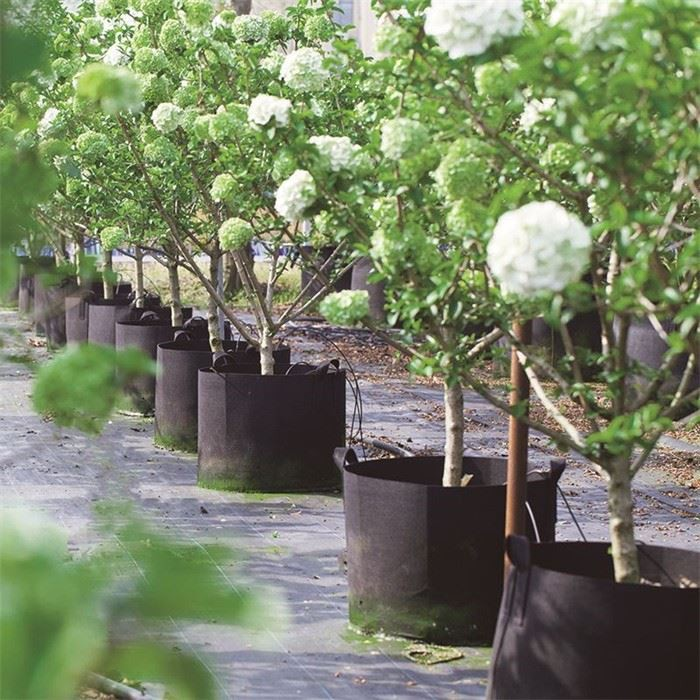
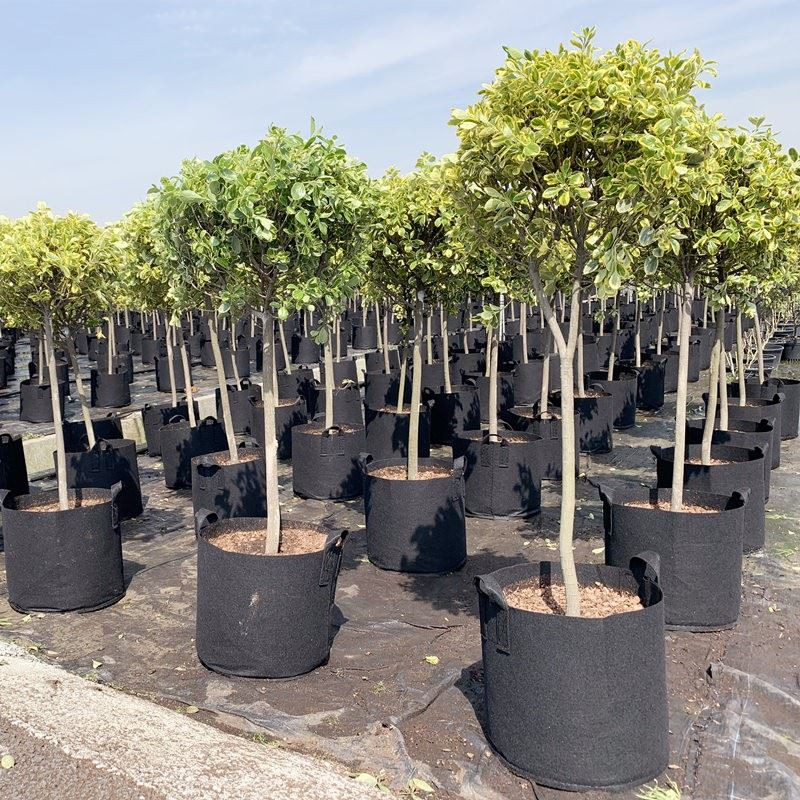
- Good Drainage: Our Plant Grow Bag is designed with excellent drainage properties. Ferns are sensitive to waterlogging, which can lead to root rot. The fabric material of the grow bag allows excess water to drain out easily, preventing the soil from becoming waterlogged and keeping the fern's roots healthy.
- Portability: If you need to move your ferns around to find the perfect light conditions or protect them from extreme weather, 10 - gallon grow bags are relatively easy to transport. This is especially useful for those who grow ferns both indoors and outdoors.
- Aeration: The fabric of the Fabric Grow Bags for Plants allows for better air circulation around the roots. This is essential for ferns, as it helps prevent the build - up of harmful fungi and bacteria in the soil. Improved aeration also promotes stronger root growth and overall plant health.
Choosing the Right Ferns for 10 - Gallon Grow Bags
Not all ferns are suitable for 10 - gallon grow bags. Some ferns can grow quite large and may outgrow the bag quickly, while others are more compact and well - suited to container gardening.
- Maidenhair Ferns: These delicate ferns are a popular choice for container gardening. They have a relatively small to medium size and prefer a moist, shady environment. A 10 - gallon grow bag provides enough space for their roots to grow and allows you to maintain the right level of moisture.
- Boston Ferns: Known for their long, arching fronds, Boston ferns are another great option for 10 - gallon grow bags. They are relatively easy to care for and can thrive in a container environment as long as they are provided with enough humidity and indirect light.
- Bird's Nest Ferns: These ferns have a unique, nest - like shape and are well - adapted to container growing. They don't require a large amount of space to spread out, making them a good fit for a 10 - gallon grow bag.
Preparing the 10 - Gallon Grow Bag for Ferns
- Selecting the Right Soil: Ferns prefer a soil mix that is rich in organic matter, such as peat moss, compost, and perlite. This type of soil retains moisture while also providing good drainage. Fill the 10 - gallon grow bag with the soil mix, leaving about 2 - 3 inches of space at the top for watering.
- Planting the Fern: Gently remove the fern from its nursery pot and loosen the roots slightly. Place the fern in the center of the grow bag and fill in the surrounding space with soil, pressing it down gently to secure the plant.
- Watering: After planting, water the fern thoroughly to settle the soil. Keep the soil consistently moist but not waterlogged. You can check the moisture level by sticking your finger about an inch into the soil. If it feels dry, it's time to water.
Caring for Ferns in 10 - Gallon Grow Bags
- Light: Most ferns prefer indirect light. Place the grow bag in a location where the fern will receive bright, filtered light, such as near a north - facing window or under a shade tree outdoors. Avoid direct sunlight, as it can scorch the fern's delicate fronds.
- Humidity: Ferns thrive in a humid environment. You can increase the humidity around the fern by misting it regularly, placing a tray of water near the grow bag, or using a humidifier.
- Fertilization: Feed your ferns with a balanced, water - soluble fertilizer every 4 - 6 weeks during the growing season. Follow the instructions on the fertilizer package for the correct dosage.
- Pruning: Remove any dead or yellowing fronds regularly to keep the fern looking healthy and to prevent the spread of disease.
Potential Challenges and Solutions
- Root Bound: If you notice that the fern's roots are starting to grow out of the drainage holes or the plant seems to be struggling, it may be root - bound. To solve this problem, you can either transplant the fern into a larger container or gently tease out the roots and repot it in the same 10 - gallon grow bag with fresh soil.
- Pests and Diseases: Ferns can be susceptible to pests such as aphids, spider mites, and mealybugs. Keep an eye out for any signs of infestation, such as yellowing leaves or sticky residue. You can use natural pest control methods, such as neem oil or insecticidal soap, to treat the problem.
Conclusion
In conclusion, 10 - gallon grow bags are an excellent choice for growing ferns. They provide the right amount of space, drainage, and aeration for fern roots to thrive. By choosing the right fern species, preparing the grow bag correctly, and providing proper care, you can enjoy healthy, beautiful ferns in your home or garden.
If you're interested in purchasing our high - quality Plant Grow Bags for your ferns or other plants, we invite you to contact us for more information and to discuss your procurement needs. We're committed to providing the best products and services to help you achieve your gardening goals.
References
- "The Complete Book of Ferns" by Janeen Adams
- "Ferns: A Gardener's Guide" by David R. Smith
- Various horticultural research papers on fern cultivation and container gardening.


