

close
Choose Your Site
Global
Social Media
Views: 0 Author: Site Editor Publish Time: 2025-09-16 Origin: Site


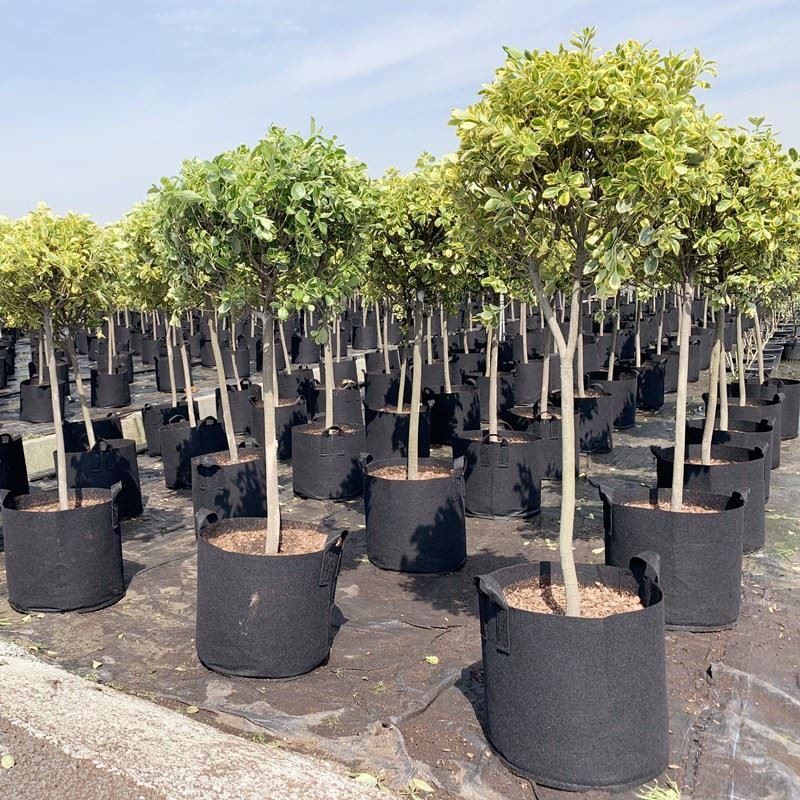
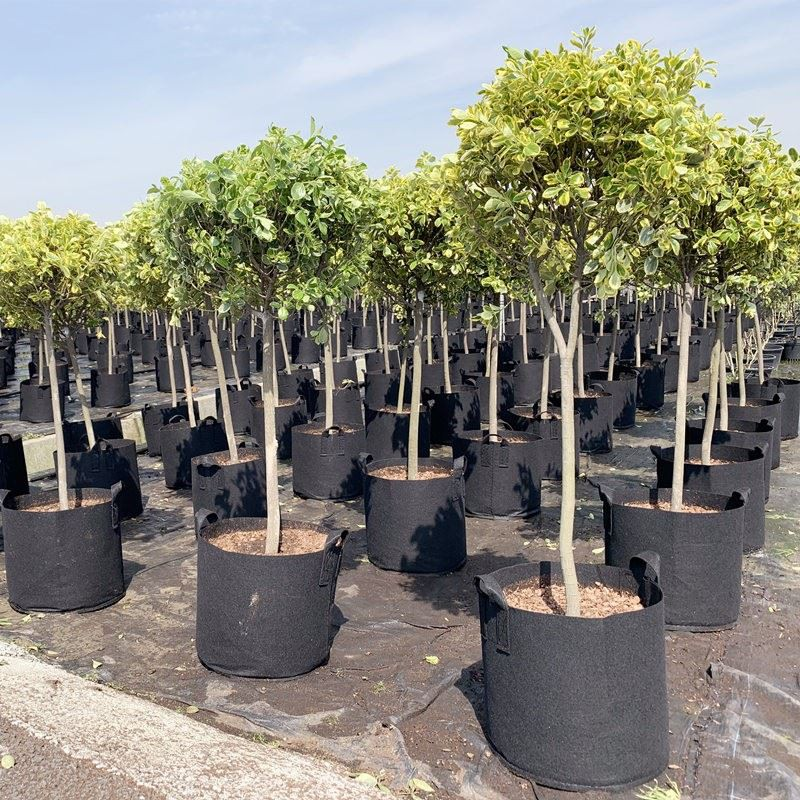
As a supplier of high - quality Plant Grow Bag, I often get asked whether it's possible to grow peppers in these bags. The answer is a resounding yes! In this blog, I'll delve into the details of growing peppers in plant grow bags, covering everything from the benefits to the step - by - step process.
One of the key advantages of Plant Grow Bag is their superior drainage. Peppers don't like to sit in waterlogged soil, as it can lead to root rot and other diseases. The fabric material of the grow bags allows excess water to drain out easily, ensuring that the roots of the pepper plants have access to oxygen. This is crucial for healthy root development and overall plant growth.
The porous nature of the fabric in Fabric Pot for Plants provides excellent aeration to the roots. When roots have access to oxygen, they can better absorb nutrients from the soil. This results in stronger, more vigorous pepper plants that are more likely to produce a bountiful harvest.
Plant grow bags are lightweight and easy to move around. This is particularly useful for pepper plants, as they require a lot of sunlight. You can move the grow bags to different locations throughout the day to ensure that the plants receive the optimal amount of sunlight. Additionally, if there is a sudden change in weather, such as a storm or frost, you can quickly move the plants indoors or to a more protected area.
If you have limited space, such as a small balcony or patio, plant grow bags are an ideal solution for growing peppers. They take up less space compared to traditional garden beds and can be arranged in various configurations to maximize the use of available space.
Most Planting Bag are reusable. After the growing season is over, you can empty the bags, clean them, and store them for the next year. This not only saves money but also reduces waste.
The size of the grow bag is an important consideration when growing peppers. Peppers have a relatively extensive root system, so you'll need a bag that is large enough to accommodate the roots. A grow bag with a capacity of at least 5 - 10 gallons is recommended for growing one or two pepper plants.
Look for plant grow bags made from high - quality fabric. The fabric should be durable, breathable, and able to withstand the elements. Avoid bags made from cheap, thin materials that may tear or degrade quickly.
The color of the grow bag can also affect the temperature of the soil inside. Dark - colored bags absorb more heat, which can be beneficial in cooler climates. However, in hot climates, light - colored bags may be a better choice as they reflect sunlight and help keep the soil cooler.
Fill the Plant Grow Bag with a high - quality potting mix. A good potting mix should be well - drained, rich in organic matter, and have a pH level between 6.0 and 7.0, which is ideal for pepper plants. You can also add some slow - release fertilizer to the potting mix to provide the plants with a steady supply of nutrients throughout the growing season.
Before planting the pepper seedlings, water the grow bag thoroughly. This helps to settle the soil and ensures that the roots have access to moisture when the plants are transplanted.
You can either start peppers from seeds or purchase seedlings from a nursery. If you're starting from seeds, sow them indoors about 8 - 10 weeks before the last frost date in your area. Transplant the seedlings into the grow bag when they have at least two sets of true leaves and the weather has warmed up.
When planting the pepper seedlings, make a hole in the soil that is deep enough to accommodate the root ball. Gently place the seedling in the hole and cover the roots with soil. Firm the soil around the base of the plant to ensure that it is stable.
If you're planting multiple pepper plants in the same grow bag, make sure to space them adequately. Pepper plants need enough space to grow and spread out. A spacing of about 12 - 18 inches between plants is recommended.
Pepper plants in grow bags need regular watering, especially during hot, dry weather. Check the soil moisture regularly by sticking your finger about an inch into the soil. If the soil feels dry, it's time to water. Water the plants deeply, but avoid over - watering, as this can lead to root rot.
Pepper plants are heavy feeders and require regular fertilization. You can use a balanced liquid fertilizer every 2 - 3 weeks during the growing season. Alternatively, you can use a slow - release fertilizer at the beginning of the season to provide a continuous supply of nutrients.
Pruning pepper plants can help to improve air circulation and increase fruit production. Remove any dead or diseased leaves and branches, as well as any suckers that grow from the base of the plant.
Keep an eye out for common pests such as aphids, whiteflies, and spider mites. You can use organic pest control methods such as neem oil or insecticidal soap to control these pests. Additionally, make sure to keep the grow bags clean and free of debris to prevent the spread of diseases.
Peppers are ready to be harvested when they have reached their mature size and color. The time it takes for peppers to mature depends on the variety, but most peppers are ready to be harvested about 60 - 90 days after planting. Use a pair of sharp scissors or pruning shears to cut the peppers from the plant, leaving a short stem attached.
Growing peppers in Plant Grow Bag is a great way to enjoy fresh, home - grown peppers even if you have limited space. The benefits of using plant grow bags, such as excellent drainage, aeration, mobility, and space - saving, make them an ideal choice for growing peppers. By following the steps outlined in this blog, you can successfully grow peppers in plant grow bags and enjoy a delicious harvest.
If you're interested in purchasing high - quality plant grow bags for growing peppers or other plants, please feel free to contact us for more information and to discuss your specific requirements. We're here to help you make the most of your gardening experience.


