Can I grow multiple types of plants in a 5 gallon grow bag?
As a supplier of 5 Gallon Grow Bags, I often get asked whether it's possible to grow multiple types of plants in a single 5 - gallon grow bag. The answer isn't a simple yes or no; it depends on several factors.
Understanding the 5 Gallon Grow Bag
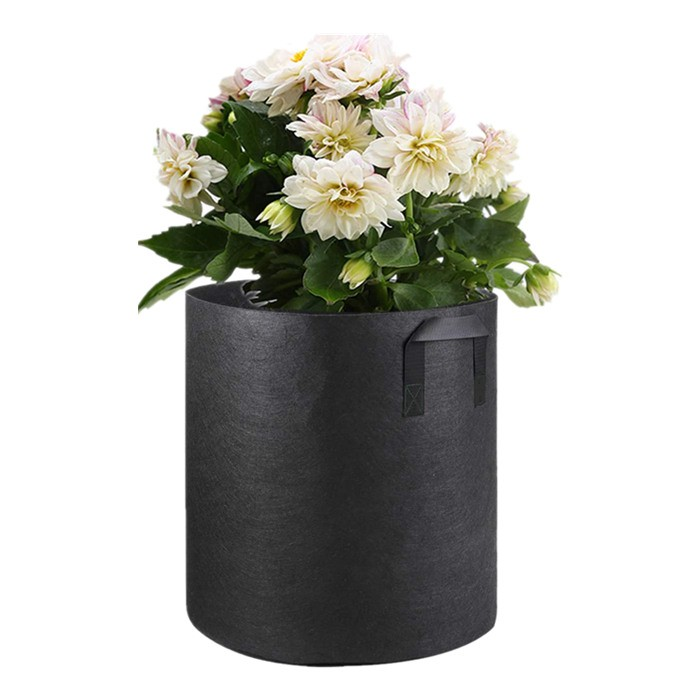
First, let's talk about the 5 - gallon grow bag itself. A 5 Gallon Grow Bag is a popular choice among gardeners, both beginners and experienced ones. It's a versatile container that offers good drainage and aeration, which are crucial for plant growth. The fabric material allows the roots to breathe and prevents root circling, promoting a healthier root system.
However, its size is limited. A 5 - gallon grow bag has a volume of approximately 18.9 liters. This means there's a finite amount of space for roots to spread, soil to hold nutrients, and water to be retained.
Factors to Consider When Growing Multiple Plants
- Plant Size and Growth Habit
- Some plants are naturally small and compact, while others can grow large and bushy. For example, herbs like thyme, oregano, and chives are relatively small - growing plants. You could potentially grow 2 - 3 different types of these herbs in a 5 - gallon grow bag. Their shallow root systems and slow - growing nature make them suitable for sharing the limited space.
- On the other hand, larger plants such as tomatoes or peppers need more space for their roots to develop. A single tomato plant can quickly outgrow a 5 - gallon grow bag on its own, let alone sharing it with other plants. So, it's not advisable to grow multiple large - sized plants in a 5 - gallon grow bag.
- Nutrient Requirements
- Different plants have different nutrient needs. Some plants are heavy feeders, meaning they require a lot of nutrients from the soil. For instance, corn is a heavy feeder that needs a lot of nitrogen. If you try to grow corn along with a light - feeding plant like lettuce in a 5 - gallon grow bag, the corn will likely take up most of the nutrients, leaving the lettuce starved.
- It's important to group plants with similar nutrient requirements together. For example, leafy greens like spinach and kale have similar nutrient needs and can be grown together in a 5 - gallon grow bag.
- Watering Needs
- Plants also vary in their water requirements. Succulents, for example, need infrequent watering as they can store water in their leaves. In contrast, plants like cucumbers need more consistent moisture. If you grow a succulent and a cucumber plant in the same 5 - gallon grow bag, it will be challenging to provide the right amount of water for both. Over - watering the succulent can lead to root rot, while under - watering the cucumber can stunt its growth.
Suitable Combinations for a 5 Gallon Grow Bag
- Herb Combinations
- As mentioned earlier, herbs are a great option for multi - planting in a 5 - gallon grow bag. You could create a Mediterranean herb garden with basil, parsley, and rosemary. These herbs have similar sunlight and watering requirements. Basil loves full sun and regular watering, and so do parsley and rosemary. They also don't grow too large, allowing them to coexist in the limited space of the grow bag.
- Salad Greens
- A combination of lettuce, arugula, and spinach can work well in a 5 - gallon grow bag. These leafy greens have shallow root systems and similar nutrient and water needs. They all thrive in cool weather and partial shade, making them a great choice for a spring or fall garden.
Unsuitable Combinations
- Large Vegetables
- Combining large - fruiting vegetables like zucchini and eggplant in a 5 - gallon grow bag is a bad idea. Both plants need a lot of space for their roots to spread and a large amount of nutrients and water. They will compete for resources, and neither plant will reach its full potential.
- Plants with Different Growth Rates
- If you grow a fast - growing plant like radishes with a slow - growing plant like carrots in a 5 - gallon grow bag, the radishes may overcrowd the carrots before the carrots have a chance to fully develop.
Benefits of Growing Multiple Plants in a 5 Gallon Grow Bag
- Space Utilization
- For those with limited gardening space, growing multiple plants in a single grow bag is an efficient way to maximize the use of space. You can grow a variety of plants in a small area, which is especially useful for urban gardeners or those with small balconies.
- Companion Planting
- Some plants have beneficial relationships with each other. For example, marigolds are known to repel nematodes, which can be harmful to tomatoes. By growing marigolds and tomatoes together in a 5 - gallon grow bag, you can take advantage of this companion - planting benefit.
Consider Larger Grow Bags for More Options
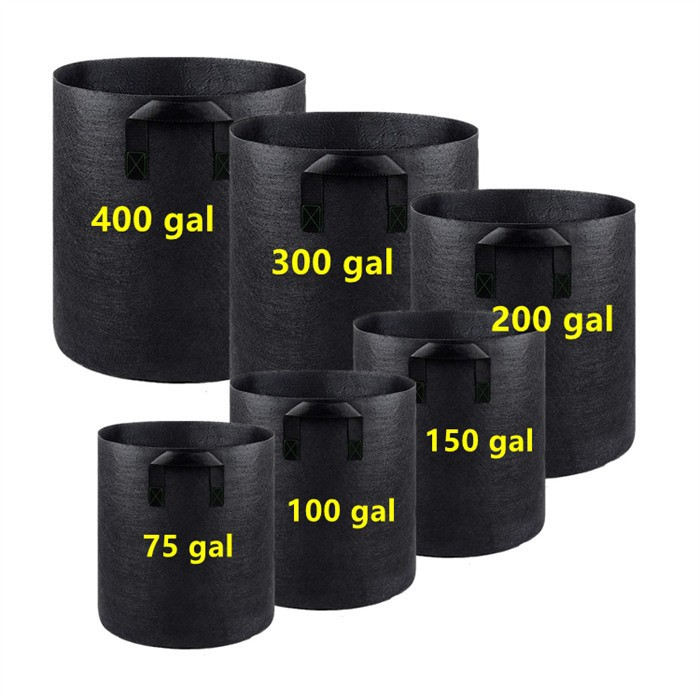
If you want to grow a greater variety of plants or larger plants, you might consider our 65 Gallon Grow Bag or 90 Gallon Grow Bag. These larger grow bags provide more space for roots to grow, more soil volume to hold nutrients, and greater water - holding capacity.
Conclusion
In conclusion, it is possible to grow multiple types of plants in a 5 - gallon grow bag, but it requires careful planning. You need to consider the size, nutrient requirements, and watering needs of the plants you want to grow. By choosing the right combinations, you can enjoy a diverse and productive mini - garden in a single grow bag.
If you're interested in purchasing our high - quality 5 Gallon Grow Bags or exploring our other grow bag options, please feel free to contact us for more information and to discuss your specific needs. We're here to help you make the most of your gardening experience.
References
- Smith, J. (2018). The Complete Guide to Container Gardening. Green Thumb Publishing.
- Johnson, M. (2019). Companion Planting for Beginners. Gardening World Press.


