Can I grow artichokes in a 45 - gallon grow bag? This is a question that many gardening enthusiasts, especially those with limited space, often ask. As a supplier of 45 - gallon grow bags, I'm here to provide you with in - depth insights into this topic.
Understanding Artichokes
Artichokes, scientifically known as Cynara scolymus, are a unique and delicious vegetable. They are perennials in warm climates but are often grown as annuals in cooler regions. Artichokes have large, thistle - like flower buds that are harvested before they bloom. These plants can grow quite large, with mature plants reaching up to 4 - 6 feet in height and spreading 3 - 4 feet wide.
The Requirements of Artichokes for Growth
- Root Space: Artichokes have a relatively extensive root system. Their roots need enough space to spread out and access nutrients and water. A well - developed root system is crucial for the overall health and productivity of the plant.
- Soil Quality: They prefer well - drained, fertile soil rich in organic matter. The soil should hold moisture but not become waterlogged, as waterlogged soil can lead to root rot.
- Sunlight: Artichokes thrive in full sun. They need at least 6 - 8 hours of direct sunlight per day to grow and produce good - quality buds.
- Nutrients: These plants are heavy feeders. They require a steady supply of nitrogen, phosphorus, and potassium, as well as other micronutrients.
The Suitability of a 45 - Gallon Grow Bag
- Root Space Consideration: A 45 - gallon grow bag provides a significant amount of space for the roots of an artichoke plant. The volume of the grow bag allows the roots to spread horizontally and vertically, which is beneficial for the plant's growth. However, compared to planting in the ground, the root growth may still be somewhat restricted. But for a single artichoke plant, a 45 - gallon grow bag can offer enough space for it to develop a relatively healthy root system.
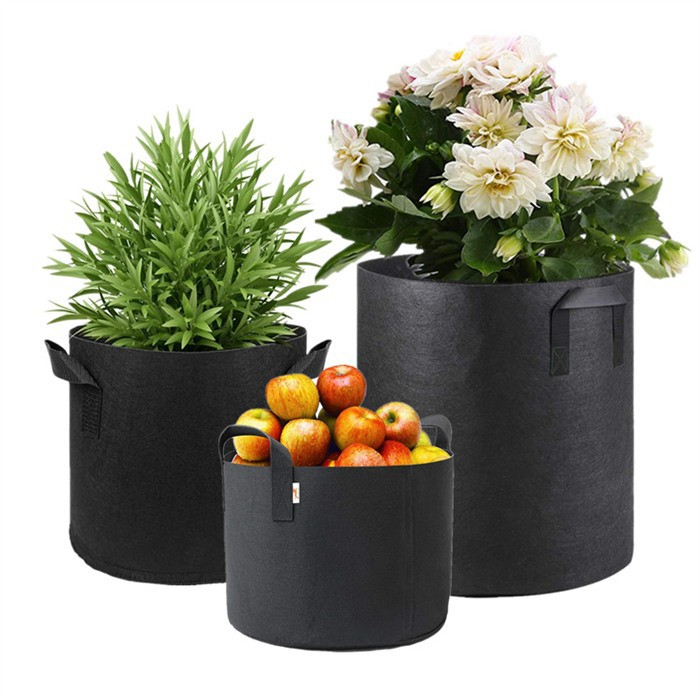
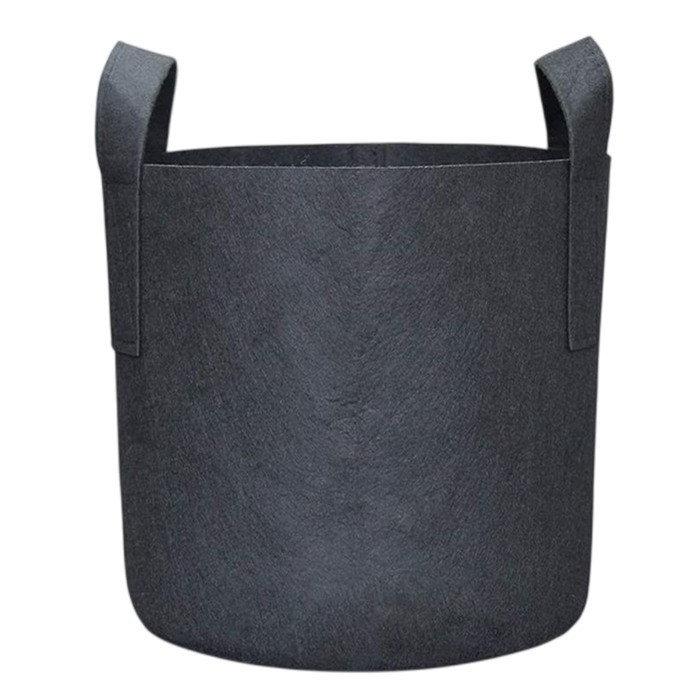
- Soil Management: One of the advantages of using a grow bag is that you have complete control over the soil. You can fill the grow bag with a high - quality potting mix that is well - drained and rich in organic matter. This helps to meet the soil requirements of artichokes. Additionally, the fabric material of the grow bag allows for better air circulation around the roots, preventing soil compaction and promoting healthy root growth. You can find a suitable Fabric Pot for Plants to ensure the best growing environment for your artichokes.
- Portability and Space Utilization: If you have limited garden space or live in an area with harsh weather conditions, a 45 - gallon grow bag offers the advantage of portability. You can move the grow bag to a more suitable location, such as a sunnier spot or a sheltered area during extreme weather. This flexibility is not available when planting in the ground.
Steps to Grow Artichokes in a 45 - Gallon Grow Bag
- Selecting the Right Seeds or Seedlings: You can either start artichokes from seeds or purchase seedlings from a nursery. If starting from seeds, sow them indoors about 8 - 10 weeks before the last frost date.
- Preparing the Grow Bag: Fill the 45 - gallon grow bag with a high - quality potting mix. You can add some compost or well - rotted manure to enrich the soil. Make sure the grow bag has adequate drainage holes at the bottom.
- Planting: If using seedlings, carefully transplant them into the grow bag, making sure to plant them at the same depth as they were in their original containers. If starting from seeds, plant them according to the instructions on the seed packet.
- Watering: Artichokes need regular watering, especially during the growing season. Water the grow bag deeply but allow the soil to dry out slightly between waterings. Over - watering can be a problem, so it's important to monitor the soil moisture.
- Fertilizing: Feed the artichoke plant with a balanced fertilizer every few weeks during the growing season. You can also use organic fertilizers such as fish emulsion or seaweed extract.
- Supporting the Plant: As the artichoke plant grows, it may need support. You can use stakes or cages to keep the plant upright and prevent it from falling over.
Comparing with Other Grow Bags
- 80 - Gallon Grow Bag: A 80 Gallon Grow Bag provides even more space for the artichoke plant's roots. This extra space can potentially lead to a larger and more productive plant. However, it also takes up more space and may be more difficult to move around.
- 65 - Gallon Grow Bag: The 65 Gallon Grow Bag is a middle - ground option. It offers more space than a 45 - gallon grow bag but is still relatively manageable in terms of size and portability.
Potential Challenges and Solutions
- Root Bound Issues: Over time, the roots of the artichoke plant may become root - bound in the grow bag. You can prevent this by periodically checking the roots and, if necessary, transplanting the plant into a larger container.
- Nutrient Depletion: Since the soil volume in a grow bag is limited, the nutrients in the soil can be depleted more quickly. Regular fertilizing and adding organic matter can help to replenish the nutrients.
- Temperature Fluctuations: Grow bags can be more susceptible to temperature fluctuations compared to the ground. You can insulate the grow bag during cold weather or provide shade during hot weather to protect the plant.
Conclusion
In conclusion, it is definitely possible to grow artichokes in a 45 - gallon grow bag. The grow bag provides sufficient space for the roots, allows for easy soil management, and offers the advantage of portability. With proper care, including watering, fertilizing, and providing adequate sunlight, you can successfully grow artichokes in a 45 - gallon grow bag.
If you're interested in purchasing 45 - gallon grow bags or exploring other options for your gardening needs, we are here to assist you. We can provide you with high - quality grow bags that are suitable for growing artichokes and a variety of other plants. Contact us to start a procurement discussion and take your gardening to the next level.
References
- "The Vegetable Gardener's Bible" by Edward C. Smith
- "Gardening Basics: Growing Artichokes" from the University of California Cooperative Extension


