As a supplier of 15-gallon grow bags, I often encounter questions from customers regarding the mold resistance of these products. In this blog post, I will delve into the topic, exploring whether 15-gallon grow bags are resistant to mold, the factors that contribute to mold growth, and how to prevent it.
Understanding Mold Growth
Mold is a type of fungus that thrives in moist, warm, and dark environments. It reproduces by releasing spores into the air, which can land on surfaces and grow into new colonies if the conditions are right. In the context of grow bags, mold can be a significant problem as it can damage plants, reduce yields, and even pose health risks to humans.
There are several factors that can contribute to mold growth in grow bags:
- Moisture: Excess moisture is one of the primary causes of mold growth. If the soil in the grow bag is constantly wet, it creates an ideal environment for mold spores to germinate and grow. This can happen if the grow bag is overwatered, if there is poor drainage, or if the bag is placed in a humid location.
- Temperature: Mold grows best in warm temperatures, typically between 77°F and 86°F (25°C and 30°C). If the grow bag is exposed to high temperatures for extended periods, it can increase the likelihood of mold growth.
- Light: Mold prefers dark environments, so if the grow bag is placed in a shaded area or covered with a tarp or other material, it can create a favorable environment for mold to grow.
- Organic Matter: Mold feeds on organic matter, such as dead plant material, leaves, and soil. If there is a lot of organic matter in the grow bag, it can provide a food source for mold spores and increase the risk of mold growth.
Are 15-Gallon Grow Bags Resistant to Mold?
The answer to this question depends on several factors, including the material of the grow bag, the quality of the manufacturing process, and how the grow bag is used and maintained.
- Material: The material of the grow bag plays a significant role in its mold resistance. Some materials, such as fabric, are more breathable than others, allowing air to circulate through the soil and prevent moisture from accumulating. This can help reduce the risk of mold growth. Other materials, such as plastic, are less breathable and can trap moisture, creating a more favorable environment for mold to grow.
- Manufacturing Process: The quality of the manufacturing process can also affect the mold resistance of the grow bag. A well-made grow bag will have proper stitching, seams, and closures to prevent moisture from seeping in. It will also be made from high-quality materials that are resistant to mold and other types of damage.
- Usage and Maintenance: How the grow bag is used and maintained can also impact its mold resistance. If the grow bag is overwatered, placed in a humid location, or not cleaned regularly, it can increase the risk of mold growth. On the other hand, if the grow bag is used and maintained properly, it can help prevent mold from growing.
Preventing Mold Growth in 15-Gallon Grow Bags
While no grow bag is completely immune to mold growth, there are several steps you can take to prevent it:
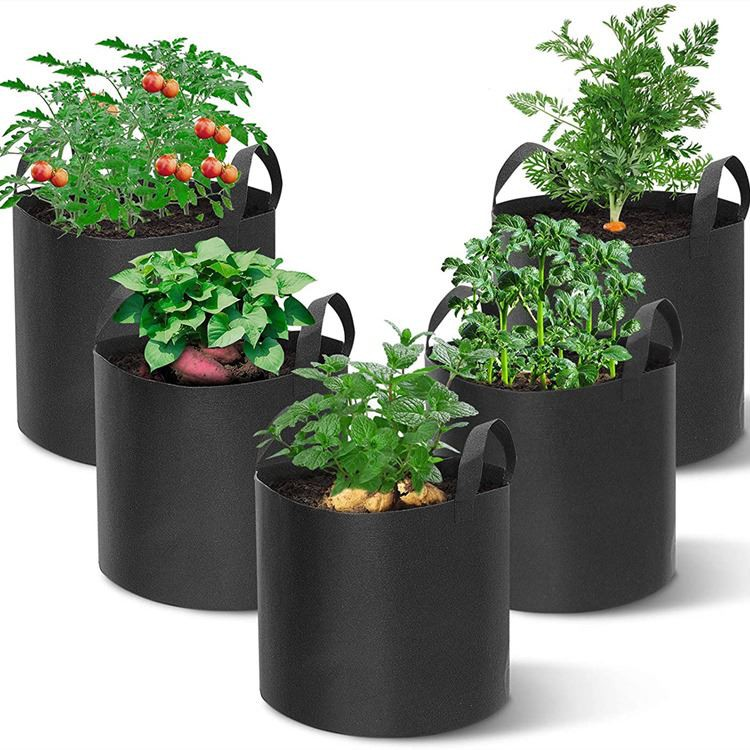
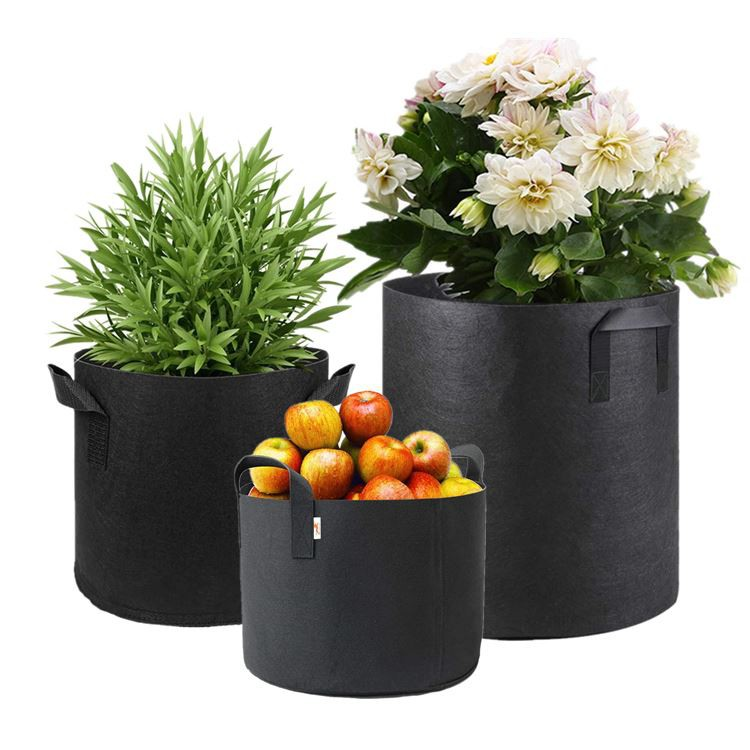
- Choose the Right Material: As mentioned earlier, fabric grow bags are generally more breathable and less likely to trap moisture than plastic grow bags. When choosing a 15-gallon grow bag, look for one made from a high-quality fabric that is designed to allow air and water to circulate freely.
- Provide Adequate Drainage: Make sure the grow bag has proper drainage holes to allow excess water to drain out. You can also add a layer of gravel or other drainage material to the bottom of the grow bag to help improve drainage.
- Water Properly: Avoid overwatering the grow bag, as this can create a moist environment that is conducive to mold growth. Instead, water the plants only when the soil is dry to the touch. You can also use a moisture meter to help you determine when to water.
- Keep the Grow Bag Clean: Regularly clean the grow bag to remove any dead plant material, leaves, or other debris that could provide a food source for mold. You can use a mild soap and water solution to clean the grow bag, or you can rinse it with a hose.
- Provide Adequate Ventilation: Make sure the grow bag is placed in a well-ventilated area to allow air to circulate around the plants. You can also use a fan to help improve air circulation.
- Monitor the Temperature and Humidity: Keep an eye on the temperature and humidity levels in the area where the grow bag is located. If the temperature is too high or the humidity is too low, it can increase the risk of mold growth. You can use a thermometer and hygrometer to monitor the temperature and humidity levels and make adjustments as needed.
Benefits of Using 15-Gallon Grow Bags
Despite the potential risk of mold growth, there are many benefits to using 15-gallon grow bags for gardening:
- Portability: 15-gallon grow bags are lightweight and easy to move around, making them ideal for small gardens, balconies, and patios. You can easily move the grow bags to different locations to take advantage of sunlight or to protect the plants from extreme weather conditions.
- Versatility: 15-gallon grow bags can be used to grow a wide variety of plants, including vegetables, fruits, herbs, and flowers. They are also suitable for both indoor and outdoor gardening.
- Cost-Effective: 15-gallon grow bags are relatively inexpensive compared to traditional gardening containers, such as pots and planters. They are also reusable, so you can save money in the long run by using them year after year.
- Improved Root Health: The fabric material of 15-gallon grow bags allows air to circulate through the soil, which can help prevent root rot and other root diseases. This can lead to healthier plants and higher yields.
- Customizable: 15-gallon grow bags can be customized to fit your specific gardening needs. You can choose the size, shape, and color of the grow bag, as well as the type of fabric and the number of drainage holes.
Conclusion
In conclusion, 15-gallon grow bags can be resistant to mold if they are made from high-quality materials, are used and maintained properly, and are placed in a suitable environment. By following the tips and guidelines outlined in this blog post, you can help prevent mold growth in your 15-gallon grow bags and enjoy healthy, thriving plants.
If you are interested in purchasing 15-gallon grow bags or other types of Nursery Grow Bag, 7 Gallon Grow Bag, or Planting Bag, please feel free to contact us to discuss your specific needs and requirements. We are a leading supplier of high-quality grow bags and other gardening products, and we are committed to providing our customers with the best possible products and services.
References
- "Mold Growth in Soil: Causes, Prevention, and Treatment." Gardening Know How. Accessed [Date Accessed].
- "How to Prevent Mold in Grow Bags." Gardening Channel. Accessed [Date Accessed].
- "The Benefits of Using Fabric Grow Bags." Planet Natural. Accessed [Date Accessed].


